
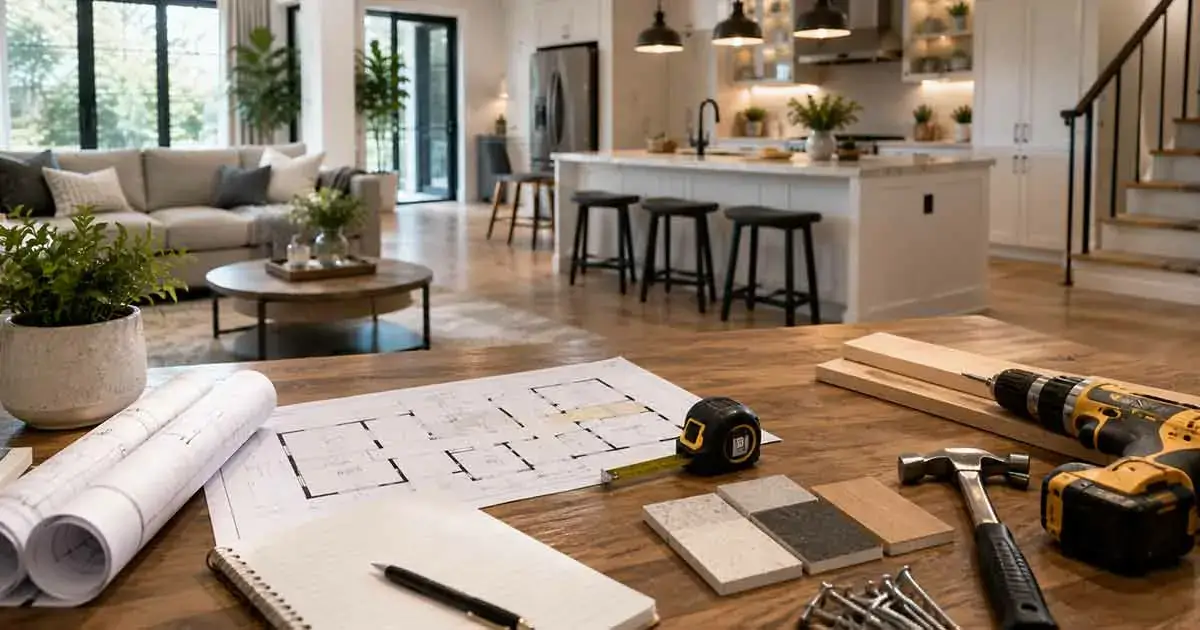
Home renovation can transform your living space, improve comfort, increase functionality, and add long-term value to your property. However, successful renovation projects require careful planning and organization.
Without a clear plan, homeowners may face unexpected costs, delays, and poor results.
This complete home renovation checklist helps homeowners organize their projects, prepare properly, and make smarter decisions throughout the renovation process.
Why You Need a Home Renovation Checklist
A renovation checklist provides a clear roadmap before starting any project.
It helps you:
- Organize your ideas
- Estimate costs
- Prioritize improvements
- Avoid common mistakes
- Track project progress
Good planning is one of the most important factors in renovation success.
Define Your Renovation Goals
Before beginning, determine what you want to achieve.
Common renovation goals include:
- Improving functionality
- Updating outdated areas
- Increasing home value
- Improving energy efficiency
- Creating more comfortable spaces
Clear goals help guide every decision during the project.
Evaluate Your Current Home
Start by inspecting your home’s condition.
Review:
- Structural issues
- Electrical systems
- Plumbing
- Windows and doors
- Insulation
- Storage needs
Identifying problems early prevents unexpected expenses later.
Create a Realistic Renovation Budget
Budget planning is essential for any renovation project.
Include costs for:
- Materials
- Labor
- Permits
- Design services
- Unexpected expenses
It is recommended to keep an additional budget for unexpected issues.
Prioritize Renovation Projects
Not every improvement needs to happen at the same time.
Prioritize projects based on:
- Safety
- Urgency
- Budget
- Long-term value
Start with improvements that provide the greatest benefits.
Plan Your Home Layout and Design
Good design improves both appearance and functionality.
Consider:
- Room flow
- Storage solutions
- Lighting
- Furniture placement
- Future needs
A well-planned layout creates a more comfortable home.
Improve Energy Efficiency During Renovation
Renovation is an excellent opportunity to improve energy performance.
Consider:
- Better insulation
- Energy-efficient windows
- Efficient lighting
- Smart thermostats
- Improved sealing
Energy improvements can reduce costs and increase comfort.
Choose Quality Materials
Materials have a major impact on renovation results.
Consider:
- Durability
- Maintenance requirements
- Cost over time
- Appearance
Investing in quality materials can reduce future repair needs.
Decide Between DIY and Professional Help
Some renovation tasks can be completed by homeowners.
Suitable DIY projects include:
- Painting
- Simple decorating
- Installing shelves
- Basic organization
Professional help may be needed for:
- Electrical work
- Plumbing
- Structural changes
- Major renovations
Choosing the right approach improves safety and results.
Plan Kitchen Renovations
The kitchen is often one of the most valuable renovation areas.
Consider:
- Storage improvements
- Countertop upgrades
- Modern appliances
- Better lighting
- Improved workflow
A functional kitchen can significantly improve daily life.
Plan Bathroom Renovations
Bathrooms are another important renovation area.
Popular improvements include:
- Updated fixtures
- Better ventilation
- Improved storage
- Modern lighting
- Water-efficient upgrades
Small bathroom improvements can create a major impact.
Improve Home Security During Renovation
Renovation is a good time to upgrade security.
Consider:
- Better door locks
- Improved outdoor lighting
- Security cameras
- Smart security systems
Security improvements add protection and peace of mind.
Consider Smart Home Upgrades
Modern renovations often include smart technology.
Examples include:
- Smart lighting
- Smart thermostats
- Smart speakers
- Automated controls
Adding smart features during renovation can make installation easier.
Create a Renovation Timeline
A realistic schedule helps manage expectations.
Consider:
- Project preparation
- Material delivery
- Contractor availability
- Installation time
- Final inspections
Good scheduling reduces delays.
Common Home Renovation Mistakes
Starting Without a Plan
Poor planning can lead to wasted time and money.
Ignoring Future Needs
Renovations should consider long-term lifestyle changes.
Choosing the Cheapest Options
Low-cost materials may create higher expenses later.
Changing Plans Too Often
Frequent changes can increase costs and delay completion.
Forgetting Permits and Regulations
Some projects require approval before work begins.
Final Home Renovation Checklist
Before completing your renovation:
- Review all project goals
- Confirm budget status
- Inspect completed work
- Test systems and features
- Organize maintenance information
Frequently Asked Questions
What should I do first when renovating my home?
Start by defining goals, evaluating your home condition, and creating a realistic budget.
How much should I budget for renovation?
Costs depend on project size, materials, location, and labor requirements.
Should I renovate one room at a time?
For many homeowners, completing projects in stages can make budgeting and management easier.
Are energy upgrades worth including in renovations?
Yes. Energy improvements can increase comfort and reduce long-term operating costs.
Can smart home features be added during renovation?
Yes. Renovation is often an ideal time to install smart technology.
Final Thoughts
A successful home renovation starts with careful planning and realistic decisions.
By following a structured checklist, prioritizing important improvements, and focusing on quality, homeowners can create better living spaces while avoiding common renovation problems.
The right renovation approach can improve comfort, efficiency, security, and the overall value of your home.