
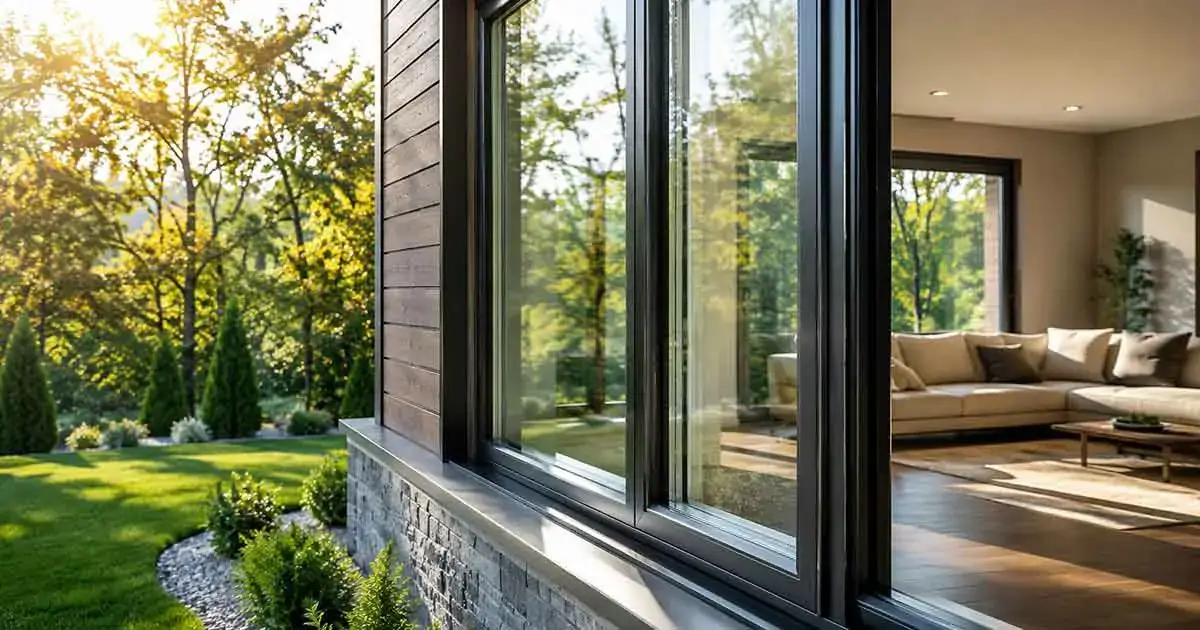
Energy efficient windows are one of the most valuable upgrades homeowners can make to improve comfort, reduce energy waste, and lower heating and cooling costs.
Windows play an important role in controlling how much heat enters and leaves a home. Older or poorly sealed windows can create drafts, increase energy consumption, and make indoor temperatures harder to maintain.
This complete guide explains how energy efficient windows work, their benefits, different types, important features, and how to choose the right option for your home.
What Are Energy Efficient Windows?
Energy efficient windows are designed to reduce heat transfer between the inside and outside of a home.
They use advanced materials and technologies to improve insulation and temperature control.
Common features include:
- Multiple glass panes
- Low-emissivity coatings
- Improved frames
- Better sealing systems
These features help homes maintain comfortable temperatures while using less energy.
Why Energy Efficient Windows Matter
Windows can be a major source of energy loss in many homes.
Inefficient windows may cause:
- Heat loss during winter
- Excess heat gain during summer
- Higher heating and cooling costs
- Uneven indoor temperatures
Energy efficient windows help reduce these problems by creating a better barrier between indoor and outdoor environments.
Benefits of Energy Efficient Windows
Lower Energy Costs
By reducing heat transfer, efficient windows can decrease the demand on heating and cooling systems.
This may help homeowners:
- Use less energy
- Reduce utility expenses
- Improve overall efficiency
Improved Home Comfort
Efficient windows help maintain more stable indoor temperatures.
Benefits include:
- Fewer cold spots
- Reduced drafts
- Better temperature consistency
Better Noise Reduction
Many energy efficient windows also provide improved sound insulation.
They can help reduce outdoor noise from:
- Traffic
- Neighborhood activity
- Construction
Reduced Condensation Problems
Modern window designs can help reduce moisture buildup and condensation.
This improves:
- Indoor comfort
- Window durability
- Home maintenance
Increased Home Value
Energy efficient features can make a property more attractive to potential buyers.
Upgraded windows may improve:
- Home appeal
- Long-term efficiency
- Market value
Types of Energy Efficient Windows
Double Pane Windows
Double pane windows contain two layers of glass separated by an insulating space.
Advantages:
- Better insulation than single pane windows
- Reduced heat transfer
- Common residential option
Triple Pane Windows
Triple pane windows include three layers of glass.
Benefits:
- Higher insulation performance
- Better temperature control
- Improved noise reduction
They are often used in colder climates or high-efficiency homes.
Low-E Glass Windows
Low-emissivity glass includes a special coating that helps control heat movement.
Benefits:
- Reflects unwanted heat
- Helps retain indoor temperatures
- Improves efficiency
Gas Filled Windows
Some windows use gases such as argon between glass panes.
This helps:
- Reduce heat transfer
- Improve insulation performance
Important Energy Efficient Window Features
Window Frame Materials
Frames affect overall window performance.
Common materials include:
- Vinyl
- Wood
- Fiberglass
- Composite materials
Each option has different advantages related to durability and efficiency.
U-Factor Rating
The U-factor measures how well a window prevents heat from escaping.
A lower U-factor generally indicates better insulation performance.
Solar Heat Gain Coefficient
The solar heat gain coefficient measures how much solar heat enters through the window.
This is important when choosing windows for different climates.
Air Leakage Rating
A quality window should minimize unwanted air movement.
Lower air leakage improves comfort and efficiency.
Energy Star Certification
Energy certification programs can help homeowners identify efficient window products.
Certified windows are designed to meet specific performance standards.
Energy Efficient Windows vs Window Replacement
Not every home requires complete window replacement.
Possible improvements include:
- Adding window insulation treatments
- Improving seals
- Repairing frames
- Replacing only inefficient windows
The best approach depends on the condition of existing windows.
How to Choose Energy Efficient Windows
Consider Your Climate
Different climates require different window features.
For example:
- Cold climates may benefit from stronger insulation
- Hot climates may require better solar heat control
Check Window Ratings
Compare:
- U-factor
- Solar heat gain coefficient
- Air leakage ratings
Choose Quality Materials
Durable materials can provide better long-term performance.
Consider Installation Quality
Even the best windows may perform poorly if installed incorrectly.
Professional installation can help ensure proper sealing and efficiency.
Combine Windows With Other Energy Improvements
Energy efficient windows work best as part of a complete strategy.
For a more data-driven approach to reducing energy waste, smart home energy monitoring systems can help homeowners track electricity consumption and identify areas where energy use can be improved.
They can be combined with:
- Home insulation improvements
- Smart thermostats
- Efficient heating and cooling systems
- Energy efficient appliances
Common Window Upgrade Mistakes
Choosing Only Based on Price
The cheapest option may not provide the best long-term savings.
Ignoring Installation
Poor installation can reduce efficiency benefits.
Selecting the Wrong Window Type
The best window depends on climate, home design, and energy goals.
Frequently Asked Questions
Are energy efficient windows worth it?
For many homeowners, efficient windows provide improved comfort and long-term energy savings.
How much energy can efficient windows save?
Savings vary depending on climate, existing windows, and overall home efficiency.
Are triple pane windows better than double pane?
Triple pane windows generally provide higher insulation but may not be necessary for every home.
Do energy efficient windows increase home value?
They can improve home appeal by adding efficiency and comfort features.
Should I replace all windows at once?
Not always. Homeowners can prioritize the least efficient windows first.
Final Thoughts
Energy efficient windows are an important investment for homeowners looking to improve comfort and reduce energy waste.
By choosing the right window type, understanding performance ratings, and combining window upgrades with other efficiency improvements, homeowners can create a more comfortable and cost-effective home.
A well-planned window upgrade can provide benefits for many years through improved insulation, reduced energy use, and better indoor living conditions.