
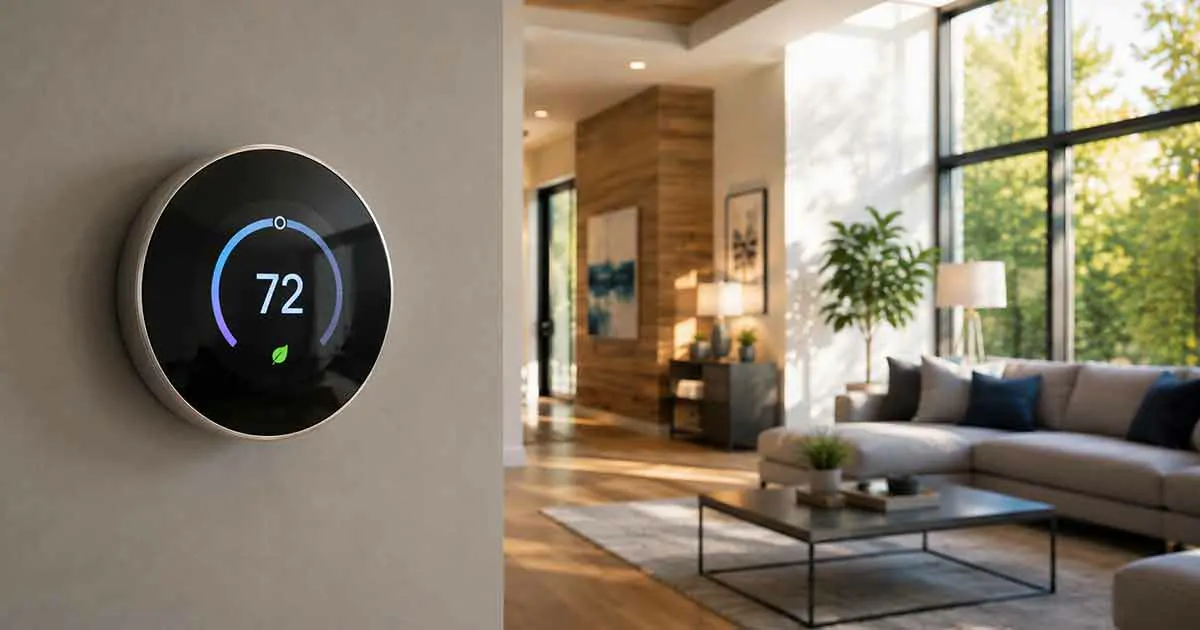
Smart thermostats have become one of the most popular upgrades for modern homes because they combine convenience, automation, and energy efficiency.
Unlike traditional thermostats, smart thermostats can learn household habits, adjust temperatures automatically, and allow homeowners to control heating and cooling remotely.
For homeowners looking to improve comfort and reduce energy waste, choosing the right smart thermostat can make a significant difference.
This buying guide explains the benefits of smart thermostats, important features to consider, compatibility requirements, and how to choose the best option for your home.
What Is a Smart Thermostat?
A smart thermostat is a connected device that controls a home’s heating and cooling system while providing advanced automation features.
Smart thermostats can connect through:
- Wi-Fi networks
- Mobile applications
- Smart home platforms
They allow homeowners to monitor and adjust temperature settings from anywhere.
Benefits of Smart Thermostats
Improved Energy Efficiency
One of the biggest advantages of smart thermostats is improved energy management.
They can help by:
- Adjusting temperatures automatically
- Creating efficient schedules
- Reducing unnecessary heating and cooling
This can help lower energy consumption over time.
Remote Temperature Control
Smart thermostats allow homeowners to control their home’s temperature using a smartphone.
Examples include:
- Adjusting settings while away
- Checking current temperature
- Changing schedules remotely
Better Home Comfort
Smart thermostats help maintain more consistent indoor temperatures.
Benefits include:
- Fewer temperature fluctuations
- Personalized schedules
- Automatic adjustments
Learning and Automation Features
Many smart thermostats can learn user preferences.
They may:
- Detect daily routines
- Adjust settings automatically
- Optimize heating and cooling patterns
Integration With Smart Home Systems
Smart thermostats can connect with other smart home products.
They may work with:
This allows homeowners to create a more connected home environment.
Important Smart Thermostat Features
Wi-Fi Connectivity
Wi-Fi allows homeowners to control the thermostat remotely through a mobile app.
Mobile App Control
A good thermostat app should provide:
- Easy temperature adjustments
- Scheduling options
- Energy reports
- Notifications
Smart Scheduling
Scheduling features allow homeowners to create automatic temperature changes based on daily routines.
Energy Usage Reports
Some smart thermostats provide information about heating and cooling habits.
These reports can help identify opportunities for savings.
Voice Control Support
Many smart thermostats work with voice assistants.
This allows users to adjust settings through voice commands.
Geofencing
Geofencing uses smartphone location information to adjust temperature settings automatically.
For example:
- Lowering energy use when nobody is home
- Preparing the home before arrival
Smart Thermostat Compatibility
Before buying a smart thermostat, homeowners should check compatibility with their existing HVAC system.
Important considerations include:
- Heating and cooling system type
- Wiring requirements
- Voltage compatibility
- Smart home platform support
Types of Smart Thermostats
Basic Smart Thermostats
These models provide essential features such as:
- App control
- Scheduling
- Remote adjustments
They are suitable for beginners.
Learning Smart Thermostats
Learning models analyze usage patterns and automatically optimize temperature settings.
They are designed for homeowners who want more automation.
Programmable Smart Thermostats
These allow users to create detailed schedules while providing connected features.
How to Choose the Best Smart Thermostat
Check HVAC Compatibility
Always confirm that the thermostat works with your home’s heating and cooling system.
Consider Smart Home Integration
Choose a model that works with your existing devices and preferred platform.
Compare Features
Important features include:
- Remote control
- Energy reports
- Automation
- Voice support
Consider Installation Requirements
Some thermostats are easy to install, while others may require professional help.
Smart Thermostats and Energy Savings
Smart thermostats can help reduce energy waste by improving temperature management.
They may help homeowners:
- Avoid unnecessary heating or cooling
- Create efficient schedules
- Better understand energy usage
However, actual savings depend on climate, home insulation, HVAC efficiency, and usage habits.
Common Smart Thermostat Mistakes
Ignoring Compatibility
A thermostat that does not work with your HVAC system may create installation problems.
Choosing Only Based on Price
Cheaper models may lack important features or long-term support.
Not Using Automation Features
Many homeowners buy smart thermostats but do not take advantage of scheduling and automation.
Forgetting Security Settings
Connected devices should always use strong passwords and updated software.
Frequently Asked Questions
Are smart thermostats worth buying?
For many homeowners, smart thermostats provide better comfort, convenience, and energy management.
Do smart thermostats save money?
They can help reduce energy waste, but savings depend on how they are used and the home’s overall efficiency.
Can I install a smart thermostat myself?
Some models are designed for DIY installation, while others may require professional installation.
Do smart thermostats work with all homes?
No. Compatibility depends on the existing heating and cooling system.
Can smart thermostats work with voice assistants?
Many smart thermostats support voice control through popular smart home platforms.
Final Thoughts
Smart thermostats are one of the most practical smart home upgrades because they combine comfort, automation, and energy efficiency.
By choosing a model with the right features and ensuring compatibility with your HVAC system, homeowners can create a more comfortable and efficient home.
A smart thermostat is often an excellent first step toward building a connected smart home.