
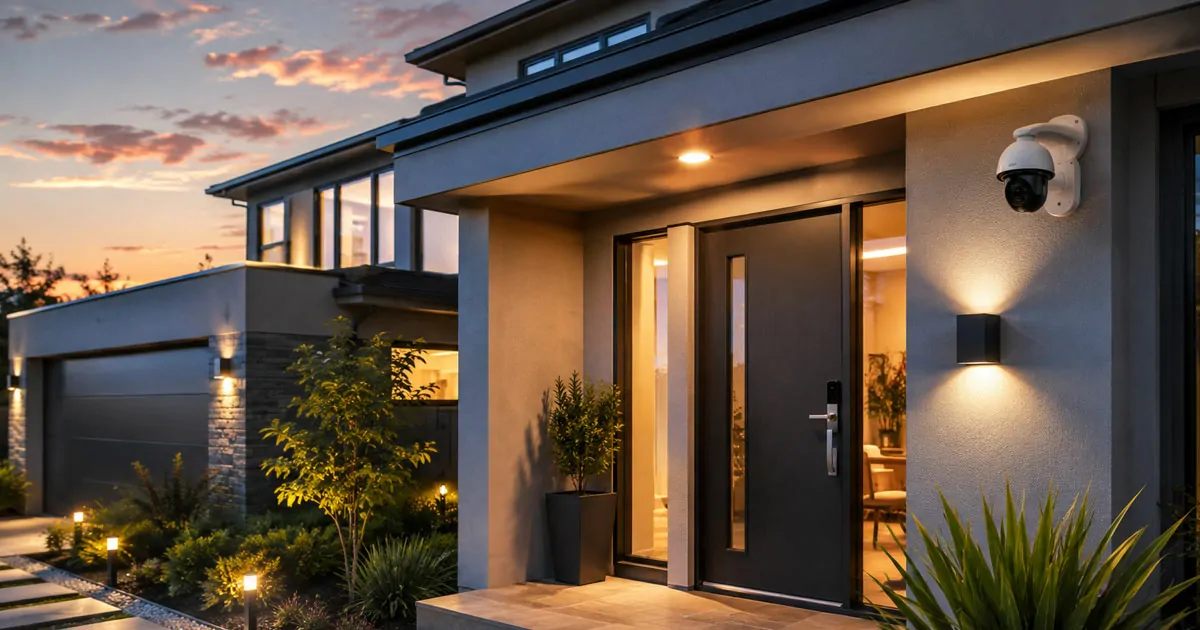
Home security is one of the most important aspects of creating a safe and comfortable living environment. Whether you live in a house, apartment, or rental property, taking the right security measures can help protect your family, belongings, and peace of mind. This guide covers the essential home security strategies, devices, and best practices every homeowner should know.
Table of Contents
Why Home Security Matters
A secure home helps reduce the risk of burglary, property damage, and unauthorized access. Modern home security is not only about locks and alarms; it also includes smart technology, outdoor lighting, surveillance systems, and everyday safety habits. Investing in home security can provide long-term protection and greater peace of mind.
Essential Home Security Measures
Every home should have a strong security foundation. Start by securing all entry points, including doors and windows, with high-quality locks. Install motion-sensor outdoor lighting, keep landscaping trimmed near entrances, and ensure that valuables are not visible from outside. These simple measures can significantly improve your home’s security, even when you are working with a limited budget. For more practical ideas, see our guide to home security on a budget.
Securing Doors and Entry Points
Doors are the primary entry points for most homes, making them a critical part of any home security strategy. Exterior doors should be made from solid materials such as solid wood, steel, or fiberglass. Weak doors and low-quality locks can make a property more vulnerable to forced entry.
Homeowners should install high-quality deadbolt locks, reinforce door frames, and use longer screws in strike plates for additional strength. Smart locks can also improve convenience while maintaining security by allowing remote access management and activity tracking.
It is equally important to secure secondary entrances such as garage doors, basement doors, and side entrances. Every access point should be inspected regularly to ensure locks, hinges, and frames remain in good condition.
Window Security Best Practices
Windows are among the most common access points targeted by intruders, especially those located on the ground floor or hidden from public view. Improving window security is an important part of building a complete home security plan.
Start by ensuring that all windows have functioning locks and are closed properly whenever the home is unattended. Reinforced glass, window security film, and window sensors can provide additional layers of protection. Homeowners may also consider installing smart sensors that send alerts when a window is opened unexpectedly.
Curtains, blinds, and landscaping can also play a role in security. Valuable items should not be visible from outside, and overgrown shrubs near windows should be trimmed to eliminate potential hiding places.
Outdoor Lighting and Visibility
Proper outdoor lighting is one of the simplest and most effective ways to improve home security. A well-lit property can discourage unwanted activity by reducing dark areas where intruders may hide.
Install motion-activated lights near entrances, garages, walkways, and other vulnerable areas around your home. These lights can provide immediate visibility when movement is detected and help homeowners notice unusual activity more easily.
Maintaining clear visibility around the property is also important. Keep trees, bushes, and landscaping trimmed near doors and windows. A clean and visible outdoor space not only improves the appearance of your home but also creates a safer environment.
Smart Home Security Systems
Smart home technology has changed the way homeowners protect their properties. Modern security devices can provide better control, real-time notifications, and easier monitoring from almost anywhere.
Smart locks, motion sensors, connected lighting, and automated security devices allow homeowners to manage different parts of their security system through mobile apps. These solutions can be especially useful for people who want more visibility and control over their home when they are away.
When choosing smart home security devices, consider compatibility, reliability, privacy features, and ease of use. A well-designed smart security system should enhance protection without creating unnecessary complexity.
Security Cameras and Video Doorbells
Security cameras and video doorbells are among the most popular home security devices because they provide visibility and awareness around a property. These systems allow homeowners to monitor entrances, outdoor areas, and important locations while receiving alerts about unusual activity.
When choosing security cameras, consider factors such as video quality, night vision, storage options, weather resistance, and viewing angles. Cameras should be positioned strategically to cover main entrances, driveways, and areas with limited visibility.
Video doorbells add another layer of protection by allowing homeowners to see and communicate with visitors remotely. Combined with other security measures, cameras and video doorbells can help create a more complete home security system.
Alarm Systems and Monitoring
Alarm systems provide an additional layer of protection by detecting unauthorized access and alerting homeowners or monitoring services when a security issue occurs. Modern alarm solutions can include door sensors, window sensors, motion detectors, and smart notifications.
When selecting an alarm system, consider the size of your home, the number of entry points, and whether you prefer professional monitoring or a self-managed solution. Professional monitoring can provide emergency assistance, while self-monitored systems often offer more flexibility and lower ongoing costs.
A reliable alarm system works best when combined with other security practices, such as strong locks, proper lighting, and security cameras. A layered approach creates better overall protection than relying on a single device.
Protecting Your Home While Traveling
Keeping your home secure while traveling requires preparation before leaving. An empty home can become a target if it appears unattended, but a few simple steps can help maintain security during your absence.
Before a trip, make sure all doors and windows are locked, activate your security system, and avoid sharing detailed travel plans publicly. Smart lighting systems can be programmed to turn lights on and off automatically, creating the appearance that someone is home.
Ask a trusted neighbor or friend to check on your property when possible. Collecting mail, managing deliveries, and maintaining the appearance of regular activity can help reduce attention from potential intruders.
Home Security Mistakes to Avoid
Many homeowners make simple security mistakes that can reduce the effectiveness of their protection efforts. Identifying and avoiding these common issues can make a significant difference in overall home safety.
One common mistake is relying on only one security measure, such as a basic lock or a single camera. Effective home security requires multiple layers, including strong entry protection, lighting, monitoring, and good daily habits.
Another mistake is ignoring regular maintenance. Security devices should be tested periodically, batteries should be replaced when needed, and outdated equipment should be upgraded over time. A security system is only effective when it works properly when needed.
Homeowners should also avoid making their absence obvious by leaving signs such as overflowing mail, dark homes for extended periods, or publicly sharing travel details.
Creating a Complete Home Security Plan
Creating an effective home security plan starts with evaluating your home’s specific needs. Every property is different, so the best approach combines several security measures based on location, layout, and lifestyle.
Begin by inspecting all entry points, identifying potential weaknesses, and deciding which areas require additional protection. This may include upgrading locks, adding outdoor lighting, installing security cameras, or integrating smart home devices.
A complete security plan should also include regular reviews and updates. As technology changes and your needs evolve, improving your security setup helps maintain a safer and more comfortable living environment.
Frequently Asked Questions
What is the most important part of home security?
The most important part of home security is creating multiple layers of protection. Strong locks, secure entry points, proper lighting, monitoring systems, and good security habits work together to create better protection.
Are smart home security systems worth it?
Smart home security systems can be valuable because they provide remote access, real-time alerts, and easier control of security devices. The right system depends on your home’s needs and your preferred level of monitoring.
How can I improve home security without spending a lot of money?
Simple improvements such as upgrading door locks, adding motion-activated lighting, securing windows, and improving visibility around your property can significantly enhance security without a large investment.
Do security cameras prevent crime?
Security cameras can help discourage unwanted activity and provide important information if an incident occurs. They are most effective when combined with other security measures.
Final Thoughts
A secure home is built through consistent planning, smart choices, and multiple layers of protection. From strong entry points and proper lighting to modern smart security solutions, every improvement can contribute to a safer living environment.
The best home security approach is one that fits your property’s needs and provides confidence whether you are at home or away. By reviewing your security measures regularly and adopting practical solutions, you can create a more protected and comfortable home.