
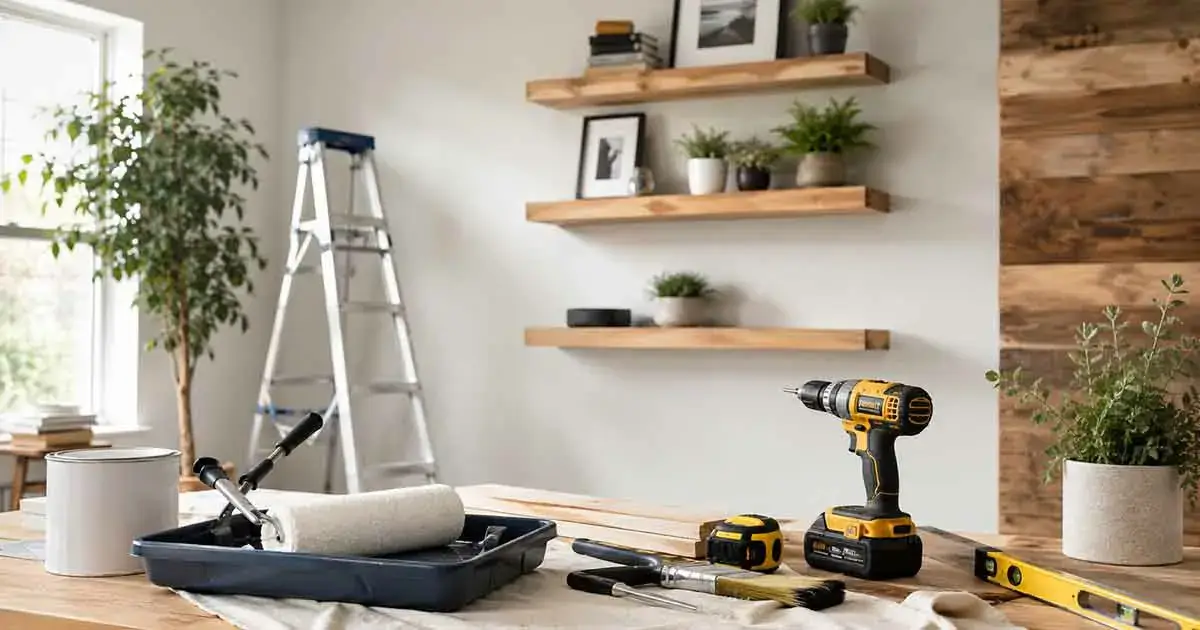
Home improvement does not always require expensive contractors or major renovations. Many projects can be completed by homeowners with basic tools, simple planning, and a willingness to learn.
DIY home improvement projects can help improve comfort, organization, appearance, and functionality while saving money. For beginners, the key is choosing projects that are practical, affordable, and manageable.
This guide explores beginner-friendly DIY home improvement ideas that can make a noticeable difference in your home.
Why Choose DIY Home Improvement Projects?
DIY projects offer several benefits for homeowners.
Advantages include:
- Lower project costs
- Greater flexibility
- Valuable hands-on experience
- Personal satisfaction
- Gradual home improvement
Small projects can create meaningful improvements without requiring large investments.
Start With a Simple Plan
Before beginning any DIY project:
- Define your goals
- Set a budget
- Gather materials
- Review instructions
- Estimate completion time
Planning helps reduce mistakes and improves project outcomes.
Refresh Walls With Paint
Painting is one of the easiest DIY home improvement projects.
Benefits include:
- Updated appearance
- Improved brightness
- Modernized rooms
- Affordable transformation
A fresh coat of paint can dramatically improve the look of a space.
Install Floating Shelves
Floating shelves provide additional storage and display space.
They work well in:
- Living rooms
- Bedrooms
- Kitchens
- Home offices
Shelves are practical, attractive, and beginner-friendly.
Improve Closet Organization
Closet upgrades can improve storage efficiency.
Simple projects include:
- Adding shelving
- Installing organizers
- Using storage bins
- Creating dedicated sections
Better organization makes everyday life easier.
Upgrade Cabinet Hardware
Replacing cabinet handles and knobs is a simple project that can refresh kitchens, bathrooms, and storage areas.
Benefits include:
- Updated appearance
- Improved usability
- Low cost
- Quick installation
Small details can have a surprisingly large visual impact.
Improve Home Lighting
Lighting upgrades can make rooms feel larger and more welcoming.
Beginner-friendly projects include:
- Replacing light fixtures
- Installing LED bulbs
- Adding task lighting
- Improving room brightness
Better lighting improves both comfort and functionality.
Create Better Garage Storage
Garages often become cluttered over time.
DIY storage projects may include:
- Wall-mounted storage systems
- Tool organization
- Storage racks
- Overhead storage solutions
An organized garage improves efficiency and frees up space.
Upgrade Entryways
The entryway creates an important first impression.
Simple improvements include:
- New house numbers
- Updated lighting
- Decorative elements
- Storage solutions
Small upgrades can significantly improve curb appeal.
Improve Energy Efficiency With Simple DIY Projects
Many DIY projects can help reduce energy waste.
Examples include:
- Weatherstripping doors
- Sealing air leaks
- Installing draft blockers
- Improving insulation in accessible areas
These projects can improve comfort and lower energy costs.
Build Simple Outdoor Improvements
Outdoor projects are excellent for beginners.
Ideas include:
- Garden edging
- Raised planters
- Outdoor seating
- Decorative landscaping
Outdoor improvements increase enjoyment of exterior spaces.
Add Smart Home Features
Many smart home products are easy to install without professional assistance.
Examples include:
- Smart plugs
- Smart lighting
- Smart speakers
- Smart thermostats
These upgrades add convenience and modern functionality.
Organize a Home Office
A productive workspace can improve focus and comfort.
DIY improvements may include:
- Desk organization
- Cable management
- Additional shelving
- Better lighting
Even small changes can improve efficiency.
DIY Projects to Avoid as a Beginner
Some projects are better left to professionals.
Avoid:
- Major electrical work
- Structural modifications
- Complex plumbing projects
- Roof repairs
Safety should always be the top priority.
Essential DIY Tools for Beginners
Useful tools include:
- Tape measure
- Screwdrivers
- Hammer
- Drill
- Level
- Utility knife
A basic toolkit is enough for many beginner projects.
Common DIY Home Improvement Mistakes
Skipping Planning
Poor preparation often leads to poor results.
Using Incorrect Tools
The right tools improve safety and accuracy.
Ignoring Safety Precautions
Protective equipment should always be used when appropriate.
Taking on Projects That Are Too Complex
Start small and build experience gradually.
Buying Low-Quality Materials
Quality materials often provide better long-term results.
Frequently Asked Questions
What is the easiest DIY home improvement project?
Painting, shelving installation, and hardware replacement are among the easiest beginner projects.
Can DIY projects increase home value?
Many practical improvements can improve appearance, functionality, and overall value.
How much can DIY projects save?
Savings depend on project size and complexity, but labor costs can often be reduced significantly.
What tools do beginners need?
A basic toolkit with measuring, fastening, and cutting tools is sufficient for many projects.
Should beginners attempt major renovations?
No. Beginners should start with simple projects and leave complex work to qualified professionals.
Final Thoughts
DIY home improvement projects allow homeowners to improve their living spaces while learning valuable skills.
By starting with beginner-friendly projects, focusing on safety, and choosing practical upgrades, homeowners can gradually create more comfortable, organized, and attractive homes.
The best DIY projects are those that provide lasting benefits while remaining realistic for your skill level.