
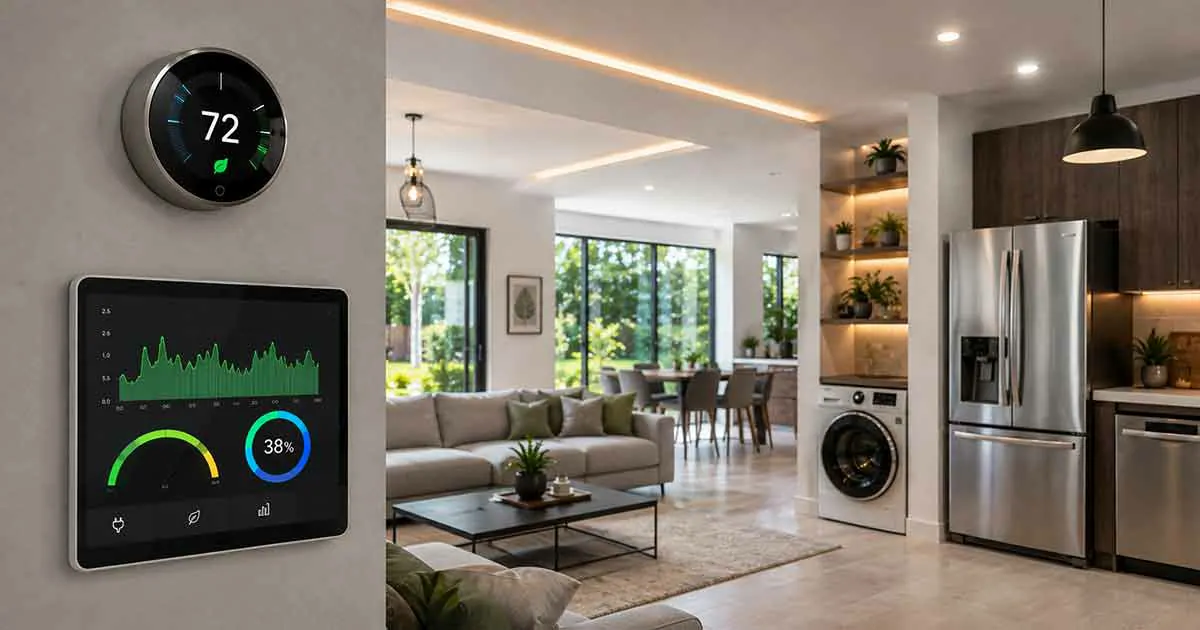
High electricity bills can make household expenses difficult to manage, especially when heating, cooling, appliances, and electronics consume more electricity than expected.
Reducing your electricity bill does not always require major home renovations or expensive equipment. In many cases, homeowners can lower electricity costs by identifying the biggest sources of consumption, changing how appliances are used, improving temperature control, and eliminating unnecessary electricity use.
This guide explains practical ways to reduce electricity bills, how to identify high-energy devices, and which changes can help lower household electricity consumption without sacrificing everyday comfort.
Table of Contents
Why Your Electricity Bill May Be High
The first step toward reducing electricity costs is understanding where the electricity is going.
Common causes of high electricity bills include:
- Heavy heating or cooling use
- Inefficient appliances
- Frequent use of clothes dryers
- Electric water heating
- Inefficient lighting
- Electronics that remain in standby mode
- Poor insulation and air leakage
- Unnecessary electricity consumption
The most effective strategy is to focus on the largest sources of electricity use rather than making many small changes without knowing their impact.
Check Your Electricity Usage
Before changing your habits, review your electricity bills and look for patterns.
Compare:
- Monthly electricity consumption
- Seasonal changes
- Previous billing periods
- Unusually high usage
- Changes after adding new appliances
If your electricity provider offers daily or hourly usage information, use it to identify when consumption is highest.
An energy monitor can provide additional information about individual appliances and help identify equipment that consumes more electricity than expected.
Identify Your Biggest Electricity Users
Some household systems and appliances generally have a much greater effect on electricity consumption than others.
Potential high-energy users include:
- Heating and cooling systems
- Electric water heaters
- Clothes dryers
- Refrigerators
- Ovens and cooking equipment
- Washing machines
- Dishwashers
- Large entertainment systems
Prioritize these areas first. Reducing electricity use from a major appliance can have a greater effect than focusing only on small electronic devices.
Reduce Heating and Cooling Electricity Use
Heating and cooling can significantly affect electricity consumption.
Adjust Thermostat Settings
Avoid unnecessarily heating or cooling an empty home.
Use a consistent schedule that matches when rooms are occupied, and avoid extreme temperature settings when possible.
Maintain the HVAC System
A properly maintained system can operate more effectively.
Useful maintenance tasks include:
- Replacing or cleaning filters as recommended
- Keeping vents unobstructed
- Checking outdoor equipment
- Scheduling professional maintenance when necessary
Reduce Unnecessary Operation
Close doors and windows when heating or cooling is running, and avoid conditioning unused spaces when your system allows you to manage different areas separately.
Use a Smart Thermostat
A smart thermostat can make temperature management easier by using schedules, remote control, and other automation features.
A smart thermostat can help homeowners:
- Create heating and cooling schedules
- Adjust temperatures when the home is unoccupied
- Control the system remotely
- Reduce unnecessary HVAC operation
The savings depend on the home, HVAC system, climate, and how the thermostat is configured.
Reduce Electricity Used for Water Heating
Electric water heating can contribute significantly to household electricity consumption.
Practical ways to reduce its energy use include:
- Avoiding unnecessarily long hot showers
- Repairing hot-water leaks
- Using efficient showerheads and faucets
- Insulating accessible hot-water pipes where appropriate
- Following the manufacturer’s recommended water-heater settings
Reducing hot-water demand can lower the amount of electricity required to heat water.
Replace Inefficient Lighting
Lighting is a straightforward place to reduce electricity consumption.
Replace frequently used inefficient bulbs with LED alternatives.
LED lighting can provide:
- Lower electricity consumption
- Longer service life
- Reduced replacement frequency
- Efficient illumination
Also turn off lights in rooms that are not being used.
Use Smart Lighting Controls
Smart lighting systems can reduce unnecessary electricity consumption by automating when lights operate.
Useful features include:
- Timers
- Scheduling
- Motion detection
- Automatic shutoff
- Remote control
These controls are most useful in areas where lights are frequently left on by mistake.
Reduce Standby Electricity Use
Some electronics continue consuming electricity while they are plugged in, even when they appear to be turned off.
Examples can include:
- Televisions
- Game consoles
- Computers
- Printers
- Audio equipment
- Streaming devices
- Chargers
Unplug equipment that does not need continuous power, or use a power strip to make several devices easier to disconnect.
For compatible equipment, smart plugs can also provide scheduled control.
Use Smart Plugs Strategically
Smart plugs are particularly useful for devices that do not need to operate continuously.
Possible uses include:
- Automatically switching entertainment equipment off
- Scheduling selected electronics
- Controlling devices remotely
- Monitoring electricity consumption on compatible models
Avoid placing smart plugs on equipment that must remain continuously powered or that is not suitable for automatic switching.
Make Appliances Use Less Electricity
Efficient appliance use can reduce electricity consumption without immediately replacing existing equipment.
Washing Machines
Run full loads when practical and use lower-temperature cycles when appropriate.
Dishwashers
Run the dishwasher with full loads and use available energy-saving settings when suitable.
Clothes Dryers
Dryers can consume substantial electricity.
To reduce their use:
- Clean the lint filter regularly
- Avoid unnecessary drying cycles
- Use appropriate load sizes
- Air-dry clothes when practical
Refrigerators
Keep refrigerator and freezer temperatures within the manufacturer’s recommended ranges.
Also check door seals and avoid leaving the doors open longer than necessary.
Choose Energy Efficient Appliances
When an appliance needs replacement, consider both its purchase price and expected electricity consumption.
Compare:
- Energy efficiency information
- Estimated annual energy use
- Expected operating costs
- Appliance capacity
- Features that affect electricity consumption
A more efficient appliance may cost more initially but can have lower operating costs over its useful life.
Improve Insulation and Air Sealing
Although insulation is not an electrical device, it can influence electricity consumption by reducing the amount of work required from heating and cooling equipment.
Important areas include:
- Attics
- Exterior walls
- Floors
- Windows
- Doors
Air sealing can also reduce unwanted heat transfer around gaps and openings.
For homeowners using electric heating or cooling, reducing heat loss and heat gain can help lower the electricity required to maintain indoor temperatures.
Use Windows More Efficiently
Windows influence both natural lighting and indoor temperature.
During appropriate weather conditions:
- Use daylight instead of artificial lighting
- Open curtains when sunlight is beneficial
- Close shades when direct sunlight creates unwanted heat
- Check for obvious air leakage around window frames
The best approach changes with the season and local climate.
Reduce Electricity Used in the Kitchen
Kitchen appliances can contribute to household electricity consumption.
Practical habits include:
- Use the smallest suitable appliance for the task
- Avoid unnecessarily long cooking times
- Keep refrigerator doors closed
- Run dishwashers with full loads
- Use energy-saving settings when available
- Avoid leaving appliances operating when they are not needed
For small meals, countertop appliances may sometimes use less energy than heating a large oven, depending on the appliance and cooking task.
Use Laundry Appliances Efficiently
Laundry can become a significant electricity expense in households that run many loads.
To reduce electricity use:
- Wash full loads when practical
- Use suitable lower-temperature cycles
- Avoid unnecessary washing
- Clean dryer filters regularly
- Air-dry clothes when possible
Reducing dryer use can be especially helpful because electric dryers can consume substantial amounts of electricity.
Monitor Changes After Making Improvements
Do not assume that every energy-saving change produces the same results.
After making an improvement, compare your electricity consumption with previous periods when possible.
For example, track changes after:
- Adjusting thermostat schedules
- Replacing inefficient lighting
- Reducing dryer use
- Managing standby power
- Changing appliance usage habits
Monitoring helps identify which changes are actually reducing consumption.
Create a Simple Electricity-Saving Routine
A consistent routine can prevent unnecessary electricity use.
Daily
- Turn off unused lights
- Avoid leaving unnecessary electronics running
- Check heating and cooling settings
- Use daylight when practical
Weekly
- Review appliance usage
- Check for unusual electricity consumption
- Clean relevant appliance filters and vents
- Look for devices that remain unnecessarily powered
Monthly
- Compare your electricity bill with previous months
- Review seasonal changes
- Identify unusually high consumption
- Decide which improvement should be addressed next
What Should You Do First?
If your electricity bill is higher than expected, avoid changing everything at once.
Start with this order:
- Check your electricity usage
- Identify major electricity consumers
- Optimize heating and cooling
- Reduce unnecessary water heating
- Improve appliance usage
- Replace frequently used inefficient lighting
- Reduce standby electricity
- Consider efficiency upgrades when replacement is needed
This approach helps prioritize changes based on actual electricity consumption.
Common Mistakes That Keep Electricity Bills High
Focusing Only on Small Electronics
Unplugging chargers can help, but major electricity users often have a much greater effect on the bill.
Ignoring Heating and Cooling
Temperature control can be one of the most important factors affecting electricity consumption.
Running Appliances Half Empty
Repeatedly running washing machines, dishwashers, or dryers for small loads can increase unnecessary energy use.
Leaving Equipment Running
Lights, electronics, and appliances that remain active when they are not needed create avoidable consumption.
Buying New Equipment Without Checking Energy Use
The purchase price alone does not determine the long-term cost of an appliance.
Making Changes Without Tracking Results
Without monitoring electricity consumption, it can be difficult to determine which changes are actually helping.
Frequently Asked Questions
What is the fastest way to reduce an electricity bill?
Start by identifying the largest sources of electricity consumption, then focus on heating and cooling, water heating, major appliances, lighting, and unnecessary electricity use.
What uses the most electricity in a home?
Heating and cooling, electric water heating, dryers, refrigerators, and other major appliances can consume substantial amounts of electricity. Actual usage varies by household, climate, equipment, and operating habits.
Does turning off lights reduce the electricity bill?
Yes. Turning off lights when they are not needed prevents unnecessary electricity consumption. The potential savings are greater when inefficient or frequently used lighting is involved.
Does unplugging appliances save electricity?
Unplugging certain electronics can eliminate their standby electricity consumption. The amount saved depends on the device and how much power it uses while inactive.
Can a smart thermostat lower electricity costs?
A smart thermostat can help reduce unnecessary heating and cooling through scheduling, occupancy-related adjustments, and remote control. Actual savings depend on the system and how it is used.
Are energy-efficient appliances worth buying?
They can be, particularly when replacing an old appliance that consumes a significant amount of electricity. Compare expected energy use and operating costs rather than focusing only on the purchase price.
Final Thoughts
Reducing electricity bills starts with understanding where electricity is being used.
Homeowners can often lower consumption by optimizing heating and cooling, reducing hot-water demand, using appliances efficiently, replacing inefficient lighting, limiting standby power, and monitoring electricity usage.
The most effective strategy is to focus on the biggest sources of consumption first and then build consistent energy-saving habits around them. This makes it easier to reduce unnecessary electricity use while maintaining a comfortable home.