
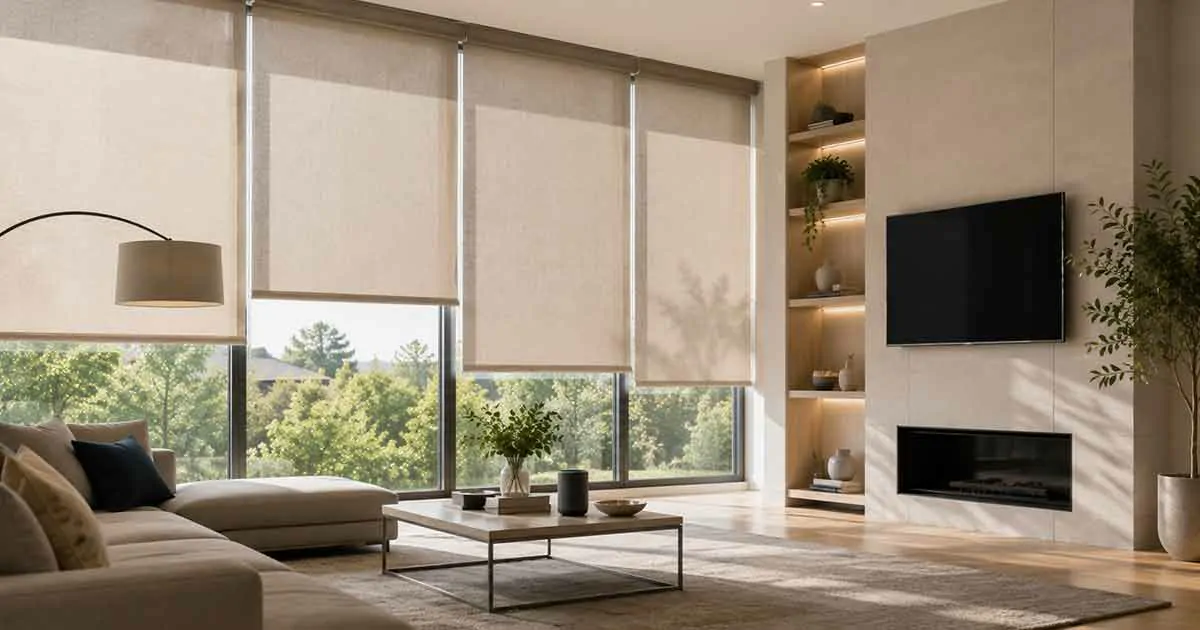
Window coverings play an important role in home comfort, privacy, and energy efficiency. Traditional blinds and shades require manual adjustment, but smart blinds and shades bring automation and convenience to modern homes.
Smart window coverings allow homeowners to control natural light, improve privacy, and manage indoor temperatures through apps, voice commands, and smart home routines.
This guide explains the benefits of smart blinds and shades, important features to consider, and how to choose the best option for your smart home.
What Are Smart Blinds and Shades?
Smart blinds and shades are automated window coverings that can be controlled electronically through connected devices.
Unlike traditional window coverings, smart models can connect to:
- Mobile applications
- Smart home platforms
- Voice assistants
- Automation systems
They allow homeowners to adjust window coverings without manually opening or closing them.
Benefits of Smart Blinds and Shades
Improved Convenience
One of the biggest advantages of smart blinds is automation.
Homeowners can:
- Open blinds automatically in the morning
- Close shades at night
- Adjust settings remotely
This makes daily routines easier.
Better Energy Efficiency
Smart blinds can help manage indoor temperatures by controlling sunlight exposure.
They may help:
- Reduce heat gain during hot weather
- Maintain warmth during colder seasons
- Improve overall home efficiency
Enhanced Privacy
Automated shades provide better privacy control.
Users can schedule blinds to close at specific times or adjust them remotely.
Smart Home Integration
Smart blinds and shades can connect with other smart home devices.
They may work with:
- Smart home hubs
- Smart speakers
- Home automation systems
Improved Home Aesthetics
Modern smart window coverings combine technology with stylish designs.
They can improve the appearance and functionality of living spaces.
Important Smart Blinds and Shades Features
Smart Home Compatibility
Before purchasing, check compatibility with your existing smart home ecosystem.
Important considerations include:
- Supported platforms
- Hub requirements
- Voice assistant support
Automation Scheduling
Scheduling features allow homeowners to automate daily routines.
Examples include:
- Opening blinds at sunrise
- Closing shades at sunset
- Adjusting based on time of day
Voice Control
Many smart blinds support voice commands through compatible assistants.
Users can control window coverings without using a remote or app.
Remote Control
Mobile apps allow users to:
- Adjust blinds from anywhere
- Create schedules
- Monitor settings
Energy Monitoring and Sensors
Some advanced systems include sensors that respond to:
- Sunlight levels
- Room temperature
- Time schedules
Battery and Power Options
Smart blinds may use:
- Rechargeable batteries
- Solar charging
- Wired power connections
Consider installation requirements before choosing a model.
Types of Smart Blinds and Shades
Motorized Roller Shades
These provide a simple and modern automated window solution.
They are popular for:
- Bedrooms
- Living rooms
- Home offices
Smart Venetian Blinds
These allow automated adjustment of both:
- Opening and closing
- Blind angle positioning
Smart Curtains
Smart curtains provide automated control for larger windows and spaces.
Solar Smart Shades
These focus on reducing sunlight and improving energy efficiency.
They can be useful in rooms with strong sunlight exposure.
How to Choose the Best Smart Blinds and Shades
Consider Your Window Type
Different windows may require different solutions.
Consider:
- Window size
- Installation requirements
- Existing interior design
Check Smart Compatibility
Choose a system that works with your current devices.
Compatibility helps avoid limitations in the future.
Evaluate Automation Features
Look for features that match your lifestyle.
Useful options include:
- Scheduling
- Sensors
- Voice control
- Remote access
Consider Installation
Some smart blinds are easy to install, while others may require professional installation.
Review installation requirements before purchasing.
Compare Cost and Features
Important factors include:
- Materials
- Motor quality
- Smart features
- Long-term reliability
Smart Blinds and Shades in Home Automation
Smart window coverings can become an important part of a connected home.
Examples of automation include:
- Closing shades when the sun becomes strong
- Opening blinds when waking up
- Adjusting windows during energy-saving routines
When combined with other smart devices, they help create a more comfortable and efficient home environment.
Common Smart Blinds Buying Mistakes
Ignoring Compatibility
A smart blind system should work with your existing smart home platform.
Choosing Only Based on Appearance
Design is important, but functionality and reliability matter as well.
Forgetting Installation Costs
Some systems may require additional installation equipment.
Overlooking Maintenance
Consider battery replacement and long-term operation requirements.
Frequently Asked Questions
Are smart blinds worth buying?
For homeowners interested in automation, convenience, and energy efficiency, smart blinds can be a valuable addition.
Do smart blinds save energy?
They can help manage sunlight and indoor temperatures, which may improve energy efficiency.
Can smart blinds work with voice assistants?
Many smart blinds support voice control through compatible smart home platforms.
Do smart blinds need Wi-Fi?
Some models require Wi-Fi, while others use hubs or other wireless technologies.
Are smart shades difficult to install?
Installation difficulty depends on the product type and power requirements.
Final Thoughts
Smart blinds and shades combine comfort, privacy, and automation in one smart home solution.
By choosing a system with reliable compatibility, useful automation features, and suitable installation options, homeowners can improve both convenience and energy efficiency.
Smart window coverings are becoming an important part of modern connected homes.