
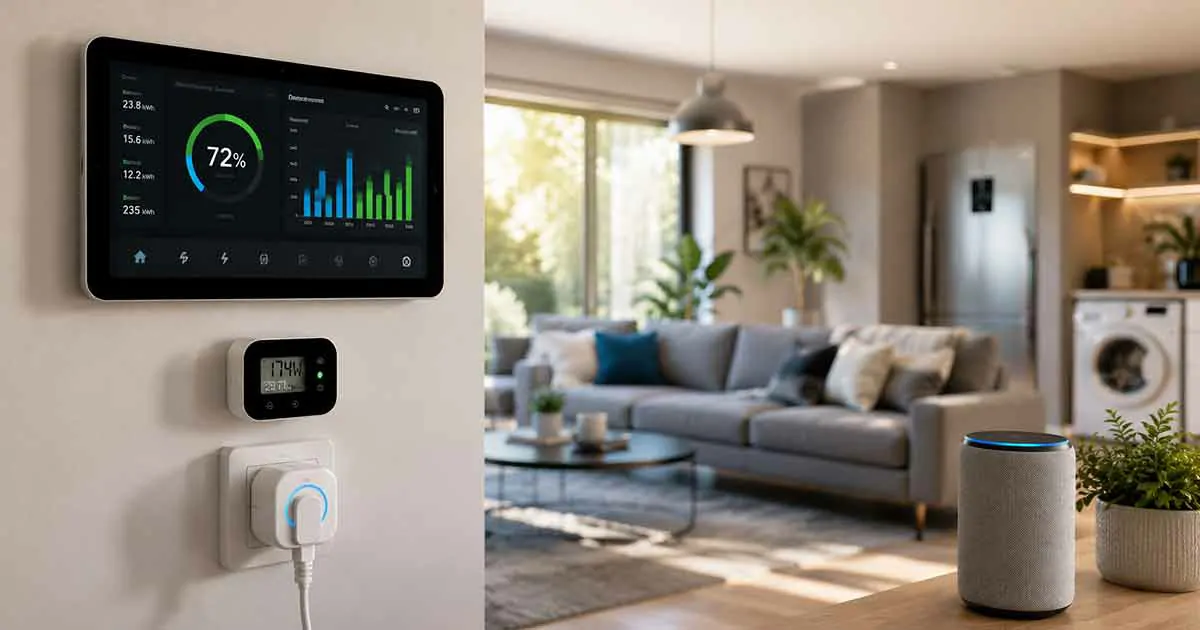
Managing energy consumption has become an important priority for many homeowners. Rising electricity costs and increasing interest in efficient homes have encouraged people to look for better ways to understand and control their energy usage.
Smart home energy monitoring systems provide detailed information about how electricity is consumed throughout a home. By tracking usage patterns and identifying energy waste, these systems help homeowners make smarter decisions and improve overall efficiency.
This complete guide explains how smart energy monitoring systems work, their benefits, key features, installation options, and how they can help create a more efficient home.
What Are Smart Home Energy Monitoring Systems?
Smart home energy monitoring systems are devices and technologies that track electricity usage in a home and provide information about consumption patterns.
Unlike traditional electricity meters that only show total usage, smart monitoring solutions can provide more detailed insights, such as:
- Real-time energy consumption
- Appliance usage information
- Daily and monthly energy patterns
- Areas where energy is being wasted
This information helps homeowners understand how their home uses electricity.
Why Energy Monitoring Matters
Many homeowners know their electricity bills but do not know which devices or systems consume the most energy.
Energy monitoring helps identify:
- High-energy appliances
- Unnecessary electricity usage
- Inefficient habits
- Opportunities for savings
Better awareness allows homeowners to make targeted improvements instead of guessing where energy is being wasted.
How Smart Energy Monitoring Systems Work
Smart energy monitoring systems use sensors and connected technology to collect electricity usage data.
The system typically includes:
- Monitoring sensors
- A connected application
- Data analysis features
- Usage reports
The collected information is displayed through a smartphone app or online dashboard, allowing homeowners to track and manage consumption.
Benefits of Smart Energy Monitoring Systems
Reduce Electricity Costs
One of the biggest advantages of energy monitoring is identifying opportunities to reduce electricity bills.
Homeowners can discover:
- Devices using excessive power
- Times of highest consumption
- Unnecessary energy usage
This information helps create better energy-saving strategies.
Identify Energy Waste
Energy monitoring makes hidden energy waste easier to find.
Examples include:
- Devices left running unnecessarily
- Older appliances consuming more electricity
- Standby power consumption
Identifying these issues can lead to meaningful improvements.
Improve Energy Efficiency
Smart monitoring supports better energy management by showing homeowners how their actions affect consumption.
Users can:
- Adjust appliance usage
- Improve daily habits
- Optimize smart devices
Make Smarter Home Decisions
Energy data helps homeowners decide which upgrades provide the best results.
For example, monitoring can reveal whether investing in:
- Efficient appliances
- Smart thermostats
- Smart lighting systems
would provide the greatest benefit.
Integrate With Smart Home Technology
Smart energy monitoring systems can work with other connected home solutions.
They can complement:
- Smart thermostats
- Smart plugs
- Smart appliances
- Smart lighting systems
Integration creates a more automated and efficient home environment.
Types of Energy Monitoring Systems
Whole Home Energy Monitors
Whole home monitors track electricity usage across the entire property.
Benefits include:
- Complete energy overview
- Total consumption tracking
- Long-term usage analysis
Individual Appliance Monitors
These systems focus on specific devices.
They help identify the energy consumption of:
- Refrigerators
- Entertainment systems
- Heating equipment
- Other household devices
Smart Plugs With Energy Monitoring
Some smart plugs include built-in energy tracking features.
They allow homeowners to:
- Monitor connected devices
- Schedule operation
- Control power remotely
Important Features to Consider
Real-Time Energy Tracking
Real-time information helps homeowners understand current electricity usage.
Mobile App Control
A reliable app makes it easier to:
- View reports
- Receive alerts
- Track consumption
Usage Reports
Detailed reports help identify patterns and opportunities for improvement.
Energy Alerts
Notifications can warn homeowners about unusual consumption levels.
Smart Home Compatibility
Compatibility with existing smart home platforms improves convenience and automation.
Installing a Smart Energy Monitoring System
Installation depends on the type of system.
Some options include:
- Plug-in monitoring devices
- Smart plugs
- Electrical panel monitoring systems
Professional installation may be recommended for systems connected directly to the home’s electrical panel.
Smart Energy Monitoring and Electricity Savings
Energy monitoring does not automatically reduce electricity usage. Instead, it provides information that helps homeowners make better decisions.
Savings usually come from actions such as:
- Reducing unnecessary usage
- Replacing inefficient devices
- Adjusting heating and cooling habits
- Improving energy management
Combine Energy Monitoring With Other Improvements
Energy monitoring works best as part of a complete energy efficiency strategy.
It can be combined with:
- Home insulation improvements
- Energy efficient windows
- Smart thermostats
- Energy efficient appliances
Together, these improvements can create a more efficient and comfortable home.
Common Mistakes When Using Energy Monitoring Systems
Ignoring the Data
Collecting information is only useful if homeowners use it to make improvements.
Tracking Only Short-Term Usage
Long-term patterns provide better insights than single-day measurements.
Installing Without a Goal
Homeowners should know what they want to improve before choosing a monitoring solution.
Frequently Asked Questions
Are smart energy monitoring systems worth it?
They can be valuable for homeowners who want better visibility into electricity usage and opportunities for savings.
Do energy monitors reduce electricity bills?
The monitor itself does not reduce usage, but the information it provides can help homeowners reduce waste.
Can energy monitoring work with smart home devices?
Yes. Many systems can integrate with connected home technologies.
What is the difference between a smart meter and an energy monitor?
A smart meter measures overall electricity usage, while an energy monitor often provides more detailed information about consumption patterns.
Do I need professional installation?
Some devices are simple to install, while electrical panel monitoring systems may require professional installation.
Final Thoughts
Smart home energy monitoring systems give homeowners better control over electricity usage by providing valuable insights into consumption patterns.
By understanding where energy is being used and combining monitoring with efficient upgrades, homeowners can reduce waste, improve comfort, and create a smarter home.
Energy monitoring is an important step toward building a more efficient and sustainable living environment.