
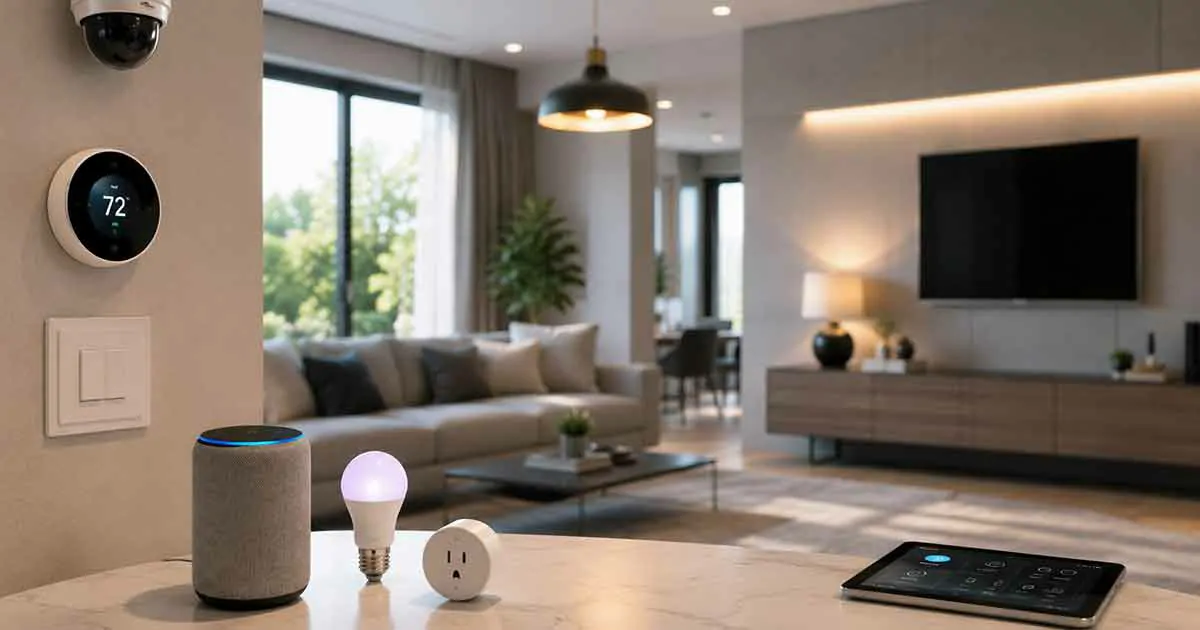
Smart home technology has become more accessible than ever, allowing homeowners to improve comfort, security, convenience, and energy efficiency with connected devices.
For beginners, choosing the right smart home devices can feel overwhelming because there are many options available with different features, compatibility requirements, and price ranges.
The best approach is to start with practical devices that provide immediate benefits and can easily expand into a complete smart home system.
This guide explains the best smart home devices for beginners, what features to look for, and how to choose the right products for your home.
What Are Smart Home Devices?
Smart home devices are connected products that allow homeowners to control, automate, or monitor different aspects of their homes.
These devices usually connect through:
- Wi-Fi networks
- Bluetooth
- Smart home hubs
- Mobile applications
They can help manage:
- Lighting
- Temperature
- Security
- Entertainment
- Energy usage
Benefits of Smart Home Devices
Smart home technology offers several advantages for homeowners.
Increased Convenience
Smart devices reduce the need for manual control.
Examples include:
- Turning lights on remotely
- Adjusting temperatures automatically
- Controlling appliances with an app
Improved Energy Efficiency
Many smart devices help reduce unnecessary energy consumption.
They can provide:
- Automated schedules
- Energy monitoring
- Better usage control
Enhanced Home Security
Smart security products allow homeowners to monitor and protect their properties.
Features may include:
- Remote alerts
- Live monitoring
- Automated security routines
Better Home Comfort
Smart technology can improve daily living through:
- Personalized settings
- Automation
- Voice control
Best Smart Home Devices for Beginners
Smart Speakers
Smart speakers are often one of the easiest ways to start building a smart home.
They provide:
- Voice control
- Music streaming
- Smart device management
- Information access
Many beginners start with a smart speaker because it can connect with multiple other devices.
Smart Lighting Systems
Smart lighting is another popular starting point.
Features include:
- Remote control
- Scheduling
- Adjustable brightness
- Automation
Smart lighting can improve convenience while helping reduce unnecessary electricity usage.
Smart Plugs
Smart plugs are simple devices that make traditional electronics smarter.
They allow homeowners to:
- Turn devices on and off remotely
- Create schedules
- Monitor some energy usage
They are useful for beginners because they are affordable and easy to install.
Smart Thermostats
Smart thermostats help manage heating and cooling more efficiently.
Benefits include:
- Automatic temperature adjustments
- Remote control
- Energy-saving schedules
They are especially valuable for homeowners looking to improve comfort and reduce energy costs.
Smart Security Cameras
Smart security cameras help homeowners monitor their property.
Common features include:
- Motion detection
- Mobile alerts
- Video recording
- Remote viewing
They are a practical upgrade for improving home security.
Smart Door Locks
Smart door locks provide convenient and secure access control.
Features may include:
- Keyless entry
- Temporary access codes
- Remote locking
- Activity monitoring
They can improve both convenience and security.
Smart Appliances
Smart appliances add connected features to everyday household equipment.
Examples include:
- Smart refrigerators
- Smart washing machines
- Smart ovens
They can provide:
- Remote control
- Notifications
- Improved efficiency
Smart Home Device Compatibility
Before buying smart devices, beginners should consider compatibility.
Important factors include:
- Supported platforms
- Wi-Fi requirements
- Smart home ecosystem
- Mobile app support
Choosing compatible devices makes future expansion easier.
How to Choose Your First Smart Home Devices
Start With Your Needs
Consider what you want to improve.
Examples:
- Convenience → Smart speakers or lighting
- Security → Cameras or smart locks
- Energy savings → Smart thermostats or monitoring devices
Choose Reliable Brands
Quality and support are important when selecting connected devices.
Look for:
- Good customer support
- Regular software updates
- Positive user feedback
Consider Installation Requirements
Some devices are simple plug-and-play products, while others may require professional installation.
Think About Future Expansion
A good smart home setup should allow additional devices later.
Starting with compatible products prevents problems when expanding your system.
Smart Home Devices and Privacy
Connected devices collect and process information, so privacy should be considered.
Helpful practices include:
- Using strong passwords
- Updating device software
- Reviewing privacy settings
- Choosing trusted manufacturers
Common Smart Home Buying Mistakes
Buying Too Many Devices Initially
Beginners should start with a few useful products instead of purchasing everything at once.
Ignoring Compatibility
Devices that do not work together can create unnecessary problems.
Focusing Only on Price
The cheapest option may not provide the best reliability or features.
Not Considering Security
Connected devices should always be protected with proper security practices.
Frequently Asked Questions
What is the best smart home device for beginners?
Smart speakers, smart lighting, and smart plugs are often good starting points because they are easy to install and use.
Do I need a smart home hub?
Many modern devices work directly through Wi-Fi, but some advanced systems may benefit from a hub.
Are smart home devices expensive?
Prices vary widely. Beginners can start with affordable devices and expand gradually.
Can smart devices save money?
Some devices can reduce energy waste and improve efficiency, especially smart thermostats and energy monitoring products.
Are smart home devices difficult to install?
Many beginner-friendly devices are designed for simple installation without professional help.
Final Thoughts
Smart home devices can make everyday living more convenient, efficient, and secure.
For beginners, the best strategy is to start with practical products that solve real problems and work well together.
By choosing compatible devices and expanding gradually, homeowners can create a smarter and more comfortable home environment.