
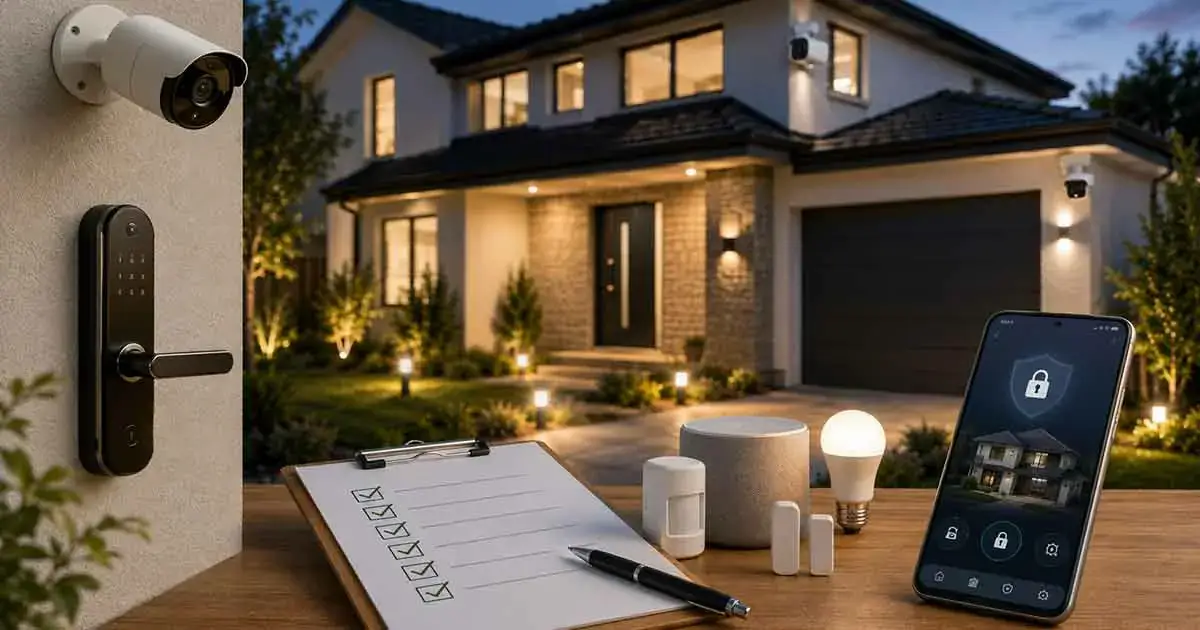
Protecting your home requires more than installing a single security device. A complete approach combines strong entry points, smart technology, good habits, and regular maintenance to create a safer living environment.
A home security checklist helps homeowners identify vulnerabilities, improve protection, and make sure important security steps are not overlooked.
Whether you are securing a new home, upgrading your current setup, or preparing for a vacation, this complete checklist covers the essential steps needed to improve your home’s security.
Why Use a Home Security Checklist?
Many security problems happen because small details are ignored.
A checklist helps you:
- Identify weak points
- Improve security routines
- Maintain devices properly
- Create a complete protection plan
A structured approach makes it easier to build a reliable home security strategy.
Home Security Checklist
1. Secure All Doors
Doors are the primary entry points for most homes.
Check that:
- All exterior doors have strong locks
- Door frames are reinforced
- Hinges are protected
- Sliding doors have additional security measures
- Garage doors are properly secured
Consider upgrading to smart locks for improved access control and monitoring.
2. Protect Windows
Windows are often overlooked when improving home security.
Make sure:
- All windows have working locks
- Damaged frames are repaired
- Basement windows are secured
- Sliding windows have additional protection
- Security film is considered for vulnerable glass
Every accessible window should be included in your security plan.
3. Install Security Cameras
Security cameras provide visibility and monitoring around your property.
Check that:
- Cameras cover important areas
- Video quality is sufficient
- Night vision works properly
- Storage settings are configured
- Cameras receive regular updates
Place cameras near:
- Front entrances
- Driveways
- Backyards
- Side entrances
4. Add Smart Security Devices
Smart devices can improve control and awareness.
Consider adding:
- Smart door locks
- Video doorbells
- Motion sensors
- Smart lighting
- Security alarms
Connected devices allow homeowners to monitor their property remotely.
5. Improve Outdoor Lighting
Good lighting can reduce dark areas around your home.
Check:
- Entryways are illuminated
- Motion sensor lights work properly
- Pathways are visible
- Outdoor fixtures are maintained
Security lighting works best when combined with other security measures.
6. Check Alarm Systems
If you use an alarm system, make sure it is functioning correctly.
Review:
- Alarm sensors
- Battery levels
- Notifications
- Emergency contacts
- Testing schedules
Regular checks help ensure your system works when needed.
7. Strengthen Garage Security
Garages can provide access to your home and contain valuable items.
Improve garage security by:
- Keeping doors locked
- Using smart garage controls
- Securing emergency access points
- Installing sensors
Do not overlook garage protection.
8. Maintain Landscaping
The area around your home can affect security.
Good practices include:
- Trimming large bushes
- Removing hiding places
- Keeping entrances visible
- Maintaining fences
Clear visibility improves both safety and monitoring.
9. Protect Your Home When Away
Before leaving your home:
- Lock all doors and windows
- Activate security systems
- Set smart lighting schedules
- Manage mail and packages
- Ask someone trusted to check the property
Preparation helps maintain security while you are away.
10. Secure Your Wi-Fi Network
Smart security devices depend on connected networks.
Improve protection by:
- Using strong passwords
- Updating router software
- Enabling network security features
- Changing default device passwords
Digital security is an important part of modern home protection.
11. Maintain Security Devices
Regular maintenance keeps systems reliable.
Schedule checks for:
- Camera performance
- Sensor batteries
- Lighting systems
- Alarm functions
- Smart device updates
A security system requires ongoing attention.
12. Create Emergency Plans
Security also includes preparation for unexpected events.
Consider:
- Emergency contacts
- Fire safety plans
- Evacuation routes
- Important documents
A complete security strategy protects against different types of risks.
Common Home Security Mistakes
Ignoring Small Vulnerabilities
Small weaknesses can become serious problems if they are ignored.
Using Weak Passwords
Connected devices require strong account protection.
Forgetting Regular Maintenance
Security equipment needs periodic checks to remain effective.
Focusing Only on Technology
Smart devices work best when combined with good security habits.
Frequently Asked Questions
What is the most important home security step?
Securing entry points such as doors and windows is one of the most important first steps.
How often should I check my security system?
Regular monthly checks are recommended to confirm devices are working properly.
Do I need expensive security equipment?
No. Effective security does not always require expensive equipment. You can start with home security on a budget by securing doors and windows, improving outdoor lighting, and adding affordable security measures based on your home’s most important vulnerabilities.
Should every home have security cameras?
Cameras are not mandatory, but they can provide valuable monitoring and evidence.
What is included in a complete home security plan?
A complete plan includes physical security, smart devices, lighting, maintenance, and emergency preparation.
Final Thoughts
A home security checklist makes it easier to protect your property through a structured and complete approach. By securing doors and windows, adding smart devices, maintaining equipment, and building good security habits, homeowners can significantly improve protection.
The strongest security strategy combines multiple layers of defense rather than relying on one solution. Regular reviews and improvements help keep your home safer over time.