
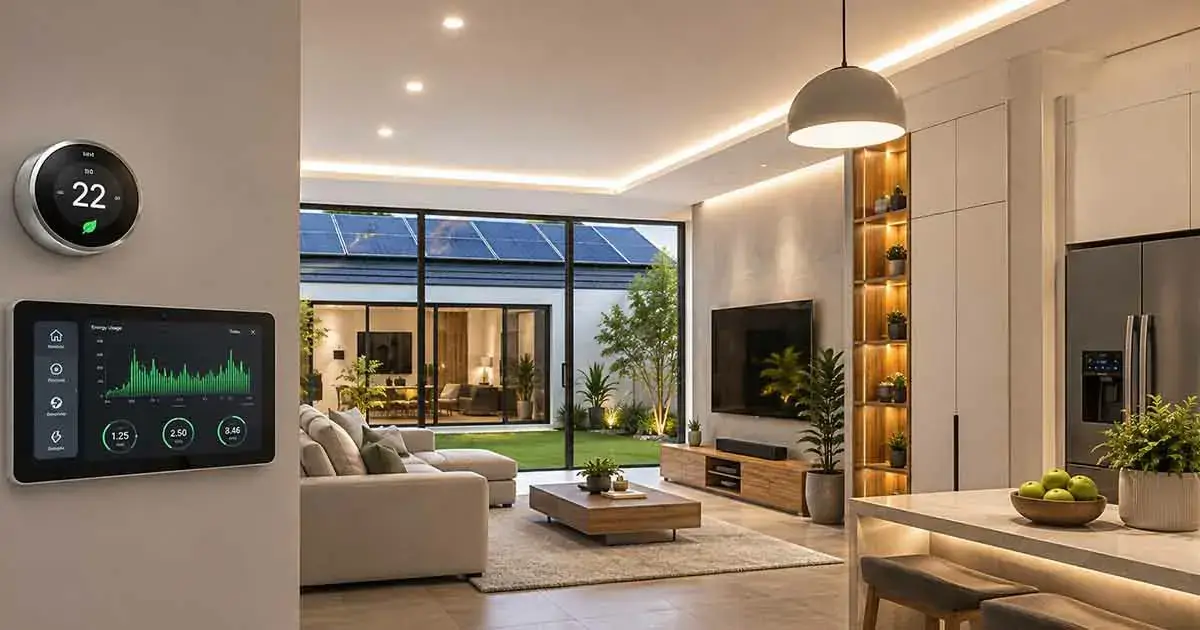
Saving energy at home does not always require expensive upgrades or major renovations. Simple changes to daily habits, heating and cooling settings, lighting, appliances, and home energy use can reduce waste while helping maintain a comfortable living environment.
For homeowners, the most effective approach is to combine practical energy-saving habits with a few targeted improvements. The goal is not simply to use less energy, but to avoid wasting energy when it is not needed.
This complete guide explains practical energy saving tips for homeowners, including ways to reduce electricity use, improve heating and cooling efficiency, manage appliances, and develop habits that can lower household energy consumption.
Table of Contents
Why Energy Saving Matters
Reducing unnecessary energy use can provide several benefits for homeowners.
The main benefits include:
- Lower monthly utility bills
- Less unnecessary energy consumption
- More efficient use of household appliances
- Better control of heating and cooling
- Improved home comfort
- Reduced environmental impact
Energy savings are often the result of many small improvements rather than one single change. Consistent habits can make a meaningful difference over time.
Identify Where Your Home Uses the Most Energy
Before changing your habits, identify the areas that consume the most energy.
Common high-energy areas include:
- Heating and cooling
- Water heating
- Refrigeration
- Laundry
- Lighting
- Home entertainment equipment
- Cooking appliances
Understanding your household’s energy use helps you focus on changes that are most likely to make a difference.
An energy monitor or utility usage history can also help reveal patterns, such as unusually high consumption during certain times of the day.
Adjust Heating and Cooling Habits
Heating and cooling can account for a substantial portion of household energy consumption.
Simple changes can improve efficiency without requiring a new HVAC system.
Use Reasonable Thermostat Settings
Avoid unnecessarily large temperature differences between indoor and outdoor conditions.
During periods when the home is unoccupied, adjusting the thermostat can reduce unnecessary heating or cooling.
Avoid Constant Manual Adjustments
Frequently changing the thermostat can make temperature management less consistent.
A predictable schedule can make it easier to maintain comfortable temperatures while avoiding unnecessary operation.
Keep HVAC Filters Clean
A dirty filter can restrict airflow and make an HVAC system work harder.
Check the filter according to the manufacturer’s recommendations and replace or clean it when necessary.
Keep Vents and Registers Clear
Furniture, curtains, or other objects should not block heating and cooling vents.
Good airflow allows the system to distribute conditioned air more effectively.
Reduce Unnecessary Lighting Energy
Lighting is an easy area to improve because unnecessary usage can often be eliminated through simple habits.
Try to:
- Turn off lights when leaving a room
- Use daylight whenever practical
- Replace frequently used inefficient bulbs with LEDs
- Avoid leaving outdoor lights on unnecessarily
- Use timers or automatic controls where appropriate
LED lighting can provide additional efficiency because LEDs generally use less electricity and last longer than traditional incandescent bulbs.
Use Natural Light During the Day
Natural daylight can reduce the need for artificial lighting.
Open curtains and blinds when practical, especially in rooms that receive sufficient daylight.
During home improvements, thoughtful window placement and interior design can also help maximize available natural light.
The key is to use daylight when it is available without creating unwanted heat gain or glare.
Reduce Standby Power
Some electronic devices consume electricity even when they appear to be turned off.
Potential examples include:
- Televisions
- Game consoles
- Computer equipment
- Chargers
- Audio systems
- Streaming devices
Unplug devices that are rarely used, or use a power strip to make it easier to disconnect several devices at once.
For equipment that needs to remain connected, smart plugs can provide scheduling and automatic control.
Use Smart Plugs More Effectively
Smart plugs can help homeowners control when certain devices receive power.
Useful applications include:
- Scheduling entertainment equipment
- Automatically turning off selected devices
- Controlling appliances remotely
- Monitoring energy use on compatible models
Smart plugs are particularly useful for equipment that does not need to operate continuously.
However, they should be used only with devices that are compatible with the plug and safe to operate through automatic switching.
Run Appliances Efficiently
Household appliances can consume significant amounts of electricity, particularly when they are used frequently.
Simple habits can improve efficiency.
Washing Machines
When appropriate, run full loads instead of repeatedly washing small loads.
Using suitable water temperatures can also reduce the energy required to heat water.
Dishwashers
Run the dishwasher when it has a full load rather than using it repeatedly for a few dishes.
If the appliance provides an energy-saving or air-dry option, consider using it when appropriate.
Clothes Dryers
Dryers can use substantial amounts of energy.
Clean the lint filter regularly, avoid unnecessary drying cycles, and use appropriate load sizes.
When weather and space allow, air-drying clothes can eliminate dryer energy consumption for those loads.
Improve Refrigerator Efficiency
Refrigerators operate continuously, so efficient use can help reduce unnecessary electricity consumption.
Helpful practices include:
- Keep the refrigerator temperature within the manufacturer’s recommended range
- Keep door seals clean and in good condition
- Avoid leaving the door open longer than necessary
- Allow hot food to cool appropriately before refrigeration
- Keep airflow around the appliance unobstructed
Older refrigerators may also consume considerably more electricity than newer efficient models.
Use Kitchen Appliances Wisely
Cooking habits can also influence household energy consumption.
When practical:
- Use the appropriate appliance size for the meal
- Avoid unnecessarily long cooking times
- Keep oven doors closed while cooking
- Use microwave or countertop appliances when they are more efficient for small tasks
- Keep cooking equipment clean and properly maintained
Small changes become more useful when repeated regularly.
Reduce Water Heating Energy Use
Hot water can represent an important part of household energy consumption.
Practical ways to reduce unnecessary use include:
- Take shorter showers
- Avoid running hot water unnecessarily
- Repair leaking hot-water fixtures
- Insulate accessible hot-water pipes where appropriate
- Use efficient showerheads and faucets
- Follow the water heater manufacturer’s recommended settings
Reducing hot-water waste can lower both water and energy consumption.
Use Laundry More Efficiently
Laundry routines can have a noticeable effect on household energy use.
Consider these habits:
- Wash full loads when practical
- Use cold or lower-temperature cycles when suitable
- Avoid unnecessary washing
- Clean the dryer lint filter after use
- Air-dry clothes when practical
Washing and drying habits are especially important in households that run multiple loads every week.
Make Better Use of Doors and Windows
Daily habits around windows and doors can influence heating and cooling demand.
During hot weather, use curtains, blinds, or shades to limit unwanted solar heat when appropriate.
During colder periods, use window coverings strategically while allowing useful sunlight into the home.
Keep doors and windows closed when heating or cooling systems are operating, particularly when outdoor conditions are significantly different from indoor conditions.
Avoid Wasting Energy When Leaving Home
Before leaving the house, check whether unnecessary equipment is operating.
Depending on the device and household setup, this may include:
- Unnecessary lights
- Entertainment equipment
- Small appliances
- Fans
- Certain chargers
- Other nonessential electronics
Automation can make this easier by creating schedules or routines for compatible devices.
Create Simple Energy-Saving Habits
Technology can help, but everyday behavior remains important.
Useful habits include:
- Turn off lights in unused rooms
- Close doors and windows when heating or cooling
- Use appliances efficiently
- Avoid unnecessary standby power
- Use daylight when practical
- Reduce hot-water waste
- Check energy usage regularly
The most effective habits are those that are simple enough to maintain consistently.
Use Smart Home Technology for Better Control
Smart home technology can help homeowners automate some energy-saving behaviors.
Examples include:
- Smart thermostats
- Smart lighting controls
- Smart plugs
- Smart appliances
- Energy monitoring devices
The main advantage is control. Automation can reduce the chance of leaving lights, appliances, or heating and cooling systems running unnecessarily.
However, smart technology should support good energy habits rather than replace them.
Monitor Your Energy Usage
Monitoring energy consumption helps homeowners understand whether their changes are actually making a difference.
You can review:
- Monthly utility bills
- Daily electricity consumption
- Changes in seasonal usage
- Major appliance consumption
- Unusual increases in energy use
Comparing usage over time can help identify patterns and determine which habits are worth maintaining.
Focus on High-Impact Changes First
Not every energy-saving action produces the same results.
Start with areas that have the greatest potential impact, such as:
- Heating and cooling
- Water heating
- Frequently used appliances
- Lighting
- Standby electronics
Once the major sources of consumption are under control, smaller changes can provide additional savings.
Common Energy-Saving Mistakes
Focusing Only on Small Electronics
Unplugging a rarely used charger may help, but larger energy users such as heating, cooling, water heating, and major appliances often deserve more attention.
Changing Too Many Habits at Once
A complicated plan can be difficult to maintain.
Start with a few practical changes and build from there.
Ignoring Seasonal Changes
Energy consumption often changes with the weather.
Heating may dominate in colder months, while cooling can become the major energy expense during hot periods.
Assuming Every Smart Device Saves Energy
A smart device does not automatically reduce energy use.
The savings depend on how the device is configured and used.
Replacing Equipment Without Understanding Usage
Buying a newer appliance can improve efficiency, but homeowners should first understand whether the existing equipment is actually a major source of energy consumption.
Frequently Asked Questions
What is the easiest way to save energy at home?
Start with simple habits such as turning off unnecessary lights, reducing standby power, using appliances efficiently, and managing heating and cooling settings.
What uses the most energy in a home?
Heating and cooling are often among the largest household energy users, followed by water heating and major appliances. Actual consumption varies by home, climate, equipment, and household behavior.
Do LED bulbs really save energy?
Yes. LED bulbs generally use significantly less electricity than traditional incandescent lighting and typically last much longer.
Does unplugging appliances save electricity?
It can reduce standby or idle electricity consumption for some devices. The potential savings depend on the equipment and how much power it consumes while inactive.
Are smart plugs useful for saving energy?
Smart plugs can help by scheduling devices, automatically switching them off, and, on compatible models, monitoring energy consumption.
Should I focus on habits or home upgrades?
Both can help, but they serve different purposes. Daily habits reduce unnecessary consumption, while structural or equipment upgrades can improve efficiency over the longer term.
Final Thoughts
The best energy saving tips for homeowners are practical, repeatable, and focused on reducing unnecessary energy use.
Start by understanding where your home consumes the most energy. Then improve heating and cooling habits, use lighting efficiently, manage appliances carefully, reduce standby power, and monitor your household consumption.
You do not need to change everything at once. A few consistent improvements can reduce energy waste while helping maintain a comfortable and efficient home.