
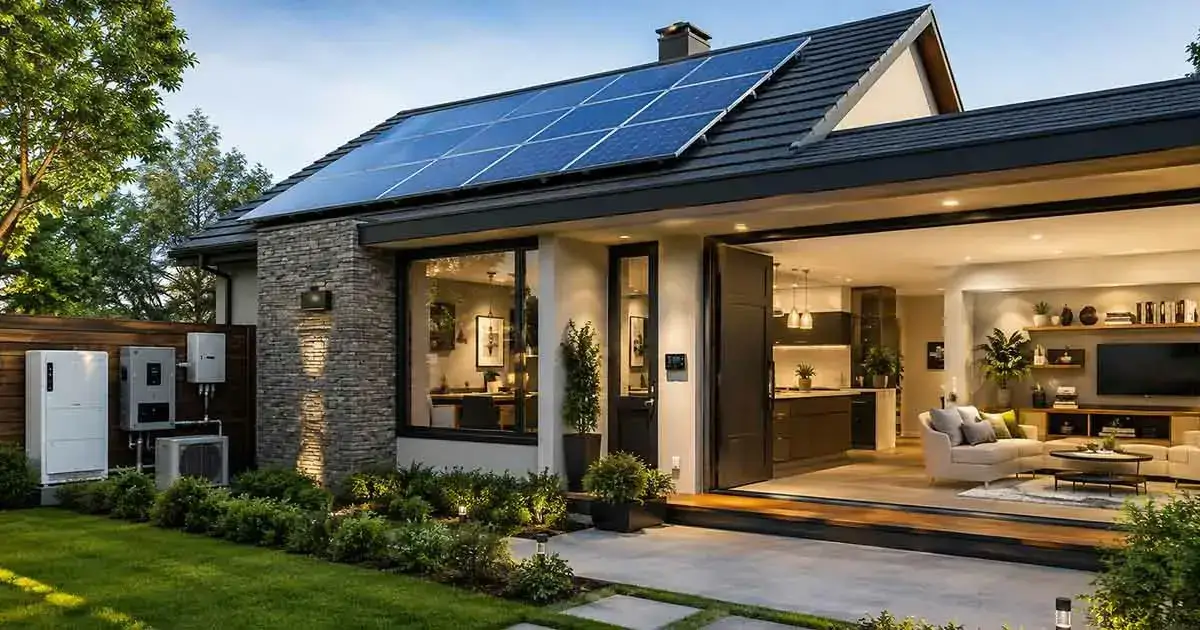
Energy efficient home upgrades can improve comfort, reduce energy waste, and lower household energy costs over time. While simple habits such as turning off unused lights can help, the biggest long-term improvements often come from upgrading the home itself.
A home loses and uses energy through many different areas, including insulation, windows, doors, heating and cooling equipment, appliances, lighting, water heating, and electrical systems. Improving these areas can make the home more efficient while also creating a more comfortable indoor environment.
The right upgrades depend on the home’s age, condition, climate, existing equipment, energy usage, and budget. Some improvements are relatively inexpensive, while others require significant investment and professional installation.
This complete guide explains the most important energy efficient home upgrades, how they work, which improvements to prioritize, and how to build a practical energy efficiency plan for your home.
Table of Contents
What Are Energy Efficient Home Upgrades?
Energy efficient home upgrades are improvements that help a house use less energy while maintaining or improving comfort, functionality, and performance.
These upgrades can address different sources of energy consumption and energy loss, including:
- Heat escaping through the roof, walls, floors, and windows
- Air leaks around doors and other openings
- Inefficient heating and cooling equipment
- Older appliances that consume excessive electricity
- Inefficient lighting
- Unnecessary water heating energy use
- Poor temperature control
- Lack of visibility into household energy consumption
Some upgrades reduce the amount of energy the home needs, while others improve the efficiency of the equipment that supplies that energy.
For example, adding insulation reduces heat transfer, while replacing an inefficient HVAC system improves how effectively energy is converted into heating or cooling.
The most effective strategy usually combines both approaches.
Why Invest in Energy Efficient Home Upgrades?
Energy efficiency improvements can provide benefits that extend beyond lower utility bills.
Reduce Energy Consumption
A more efficient home requires less energy to maintain comfortable indoor conditions and operate everyday systems.
Lower Energy Bills
Reducing unnecessary energy consumption can lower recurring household energy expenses.
Improve Indoor Comfort
Better insulation, air sealing, windows, and temperature control can help reduce drafts and uncomfortable temperature differences between rooms.
Reduce Heating and Cooling Demand
Improvements to the building envelope can reduce the workload placed on heating and cooling equipment.
Improve Home Performance
A combination of efficient equipment and a better-performing building envelope can make the entire home operate more effectively.
Increase Long-Term Home Value
Energy-efficient improvements can make a property more attractive to buyers, particularly when upgrades improve comfort, operating costs, and overall home performance.
Reduce Energy Waste
Efficiency upgrades can reduce the amount of energy used without providing meaningful benefits.
Start With the Home’s Biggest Energy Losses
One of the most important principles of home energy efficiency is to address major sources of energy loss before purchasing individual efficiency products.
For many homes, this means examining:
- Attic insulation
- Wall insulation
- Basement or crawl space insulation
- Air leaks
- Windows and doors
- Heating and cooling systems
- Water heating
- Major appliances
- Lighting
- Energy consumption patterns
Upgrading an appliance may produce savings, but improving the building envelope can sometimes have a broader effect because it reduces the amount of heating or cooling the home requires in the first place.
This is why homeowners should evaluate the whole house before deciding which individual upgrades to install.
Improve Home Insulation
Insulation is one of the most important components of an energy-efficient home.
It slows the movement of heat through the building envelope, helping the home remain warmer in winter and cooler in summer.
Important areas include:
- Attics
- Exterior walls
- Floors
- Basements
- Crawl spaces
The appropriate insulation strategy depends on the construction of the home, existing insulation, climate, moisture conditions, and available space.
Before adding insulation, homeowners should also consider whether moisture problems or air leakage need to be addressed.
Why Insulation Matters
Poor insulation can increase the workload of heating and cooling systems.
When insulation is improved correctly, the home can maintain indoor temperatures more effectively and reduce unnecessary energy demand.
Improve Attic Insulation and Air Sealing
The attic is an important area to evaluate because warm air can move between the conditioned living space and the attic when the building envelope is poorly sealed.
An effective attic improvement strategy may involve:
- Checking existing insulation
- Adding insulation where appropriate
- Sealing air leaks
- Inspecting penetrations around wiring and plumbing
- Addressing moisture concerns
- Ensuring proper attic ventilation where required
Insulation and air sealing work together. Adding insulation without addressing significant air leakage may limit the overall improvement.
Improve Wall and Floor Insulation
Walls and floors can also contribute to unwanted heat transfer.
Depending on the home’s construction, improvements may include:
- Adding insulation during renovation
- Improving insulation in accessible wall cavities
- Insulating floors above unconditioned spaces
- Addressing poorly insulated areas around additions
The best approach depends heavily on the existing construction and whether walls or floors are already being opened for renovation.
Upgrade Energy Efficient Windows
Windows influence both heat transfer and air leakage.
Older or poorly sealed windows can contribute to uncomfortable rooms and increased heating or cooling demand.
Potential improvements include:
- Replacing inefficient windows
- Installing double-glazed units
- Choosing appropriate low-emissivity glazing
- Improving window seals
- Addressing damaged frames
- Reducing air leakage around window openings
Window replacement can be expensive, so homeowners should evaluate the condition and performance of existing windows before assuming replacement is the best first step.
In some cases, improving sealing or addressing other building-envelope problems may provide better value.
Improve Doors and Air Sealing
Air leakage can occur around:
- Exterior doors
- Windows
- Utility penetrations
- Plumbing penetrations
- Electrical openings
- Attic access points
- Other gaps in the building envelope
Common improvements include:
- Weatherstripping
- Door sweeps
- Caulking
- Sealing gaps
- Improving seals around penetrations
Air sealing is often relatively inexpensive compared with major equipment replacements and can complement insulation improvements.
Upgrade Heating and Cooling Systems
Heating and cooling can represent a major portion of household energy consumption.
Older equipment may be less efficient than modern systems, particularly when it has been poorly maintained or is approaching the end of its useful life.
Potential upgrades include:
- Replacing outdated heating equipment
- Improving cooling equipment
- Choosing appropriately sized systems
- Improving system controls
- Maintaining filters and components
- Evaluating heat pump options
Equipment should be selected based on the home’s actual heating and cooling requirements rather than simply choosing the largest available system.
An oversized or poorly matched system may not deliver the expected efficiency or comfort.
Consider a Heat Pump
Heat pumps can provide efficient heating and, depending on the system, cooling as well.
They transfer heat rather than relying exclusively on fuel combustion or conventional resistance heating.
When evaluating a heat pump, consider:
- Local climate
- Existing heating system
- Home insulation
- Equipment sizing
- Installation requirements
- Operating costs
- Backup heating requirements where applicable
A heat pump can be an important part of a broader home energy strategy, but its performance depends on the home and the specific system selected.
Install a Smart Thermostat
Smart thermostats can improve temperature management by allowing homeowners to create schedules and adjust settings automatically.
Depending on the model, features may include:
- Programmable schedules
- Remote temperature control
- Occupancy-based adjustments
- Usage information
- Automatic temperature changes
- Integration with other smart home devices
Smart thermostats are most useful when they are properly configured and compatible with the home’s heating and cooling system.
They should be considered as part of a broader efficiency strategy rather than a replacement for insulation or equipment improvements.
Upgrade to Energy Efficient Appliances
Household appliances can account for a significant amount of electricity consumption.
When replacing older appliances, homeowners can evaluate efficiency ratings and estimated operating costs.
Important appliances to consider include:
- Refrigerators
- Freezers
- Washing machines
- Dishwashers
- Clothes dryers
- Ovens and cooking equipment
The most efficient appliance is not always the cheapest option upfront. A better comparison considers purchase price, expected lifespan, energy consumption, maintenance, and operating costs.
Improve Lighting Efficiency
Lighting is one of the easier areas to upgrade.
Replacing inefficient bulbs with LEDs can reduce electricity consumption while providing long service life.
Additional improvements can include:
- Occupancy sensors
- Timers
- Dimmers
- Smart lighting controls
- Automated schedules
Lighting improvements can be especially useful in areas where lights are frequently left on.
Use Smart Home Technology for Energy Management
Smart home technology can help homeowners monitor and control energy use.
Useful technologies include:
- Smart thermostats
- Smart plugs
- Smart lighting
- Energy monitoring devices
- Smart appliance controls
- Connected temperature sensors
The main benefit is greater visibility and control.
For example, monitoring energy consumption can help identify appliances or activities that use more electricity than expected.
Automation can then reduce unnecessary usage.
Improve Home Energy Monitoring
Energy monitoring can help homeowners understand where electricity is being consumed.
Depending on the system, monitoring can provide information about:
- Whole-home electricity use
- Individual circuits
- Major appliances
- Daily consumption
- Peak usage periods
- Changes in consumption over time
This information can make energy efficiency decisions more evidence-based.
Instead of guessing which improvement will have the biggest effect, homeowners can identify actual patterns of energy use.
Upgrade Water Heating Efficiency
Water heating is another important area to consider.
Potential improvements include:
- Replacing an inefficient water heater
- Considering a heat pump water heater
- Evaluating tankless systems
- Insulating hot-water pipes where appropriate
- Adjusting water heater temperature safely
- Reducing unnecessary hot-water consumption
- Improving hot-water distribution efficiency
The right solution depends on household size, hot-water demand, available space, installation requirements, and existing equipment.
Improve Plumbing and Hot-Water Efficiency
Energy efficiency is not only about electricity and heating equipment.
Reducing unnecessary hot-water consumption can also reduce the energy required to heat water.
Possible improvements include:
- Efficient showerheads
- Efficient faucets
- Fixing hot-water leaks
- Insulating accessible hot-water pipes
- Reducing excessive hot-water use
These changes can provide both water and energy savings.
Consider Solar Energy
Solar energy systems can reduce reliance on electricity from the grid by generating electricity on-site.
Before installing solar panels, homeowners should evaluate:
- Roof condition
- Roof orientation
- Available roof area
- Shading
- Local solar conditions
- Installation costs
- Electricity consumption
- Expected system lifespan
- Available incentives
Solar should generally be considered after understanding the home’s current energy consumption.
Reducing unnecessary energy use first can help homeowners better determine the size and economics of a potential solar system.
Consider Home Battery Storage
A home battery can store electricity for later use.
Depending on the system and local electricity structure, battery storage may help with:
- Using stored solar energy later
- Backup power
- Managing electricity consumption
- Reducing reliance on grid electricity during certain periods
Battery storage is a more specialized investment than basic efficiency upgrades, so homeowners should evaluate the cost, expected usage, system capacity, and backup requirements carefully.
Improve Home Energy Efficiency Through Better Ventilation
A more efficient home still needs appropriate ventilation.
Sealing and insulating a home without considering indoor air quality and ventilation can create problems if the home’s ventilation needs are not properly addressed.
Energy efficiency improvements should therefore consider:
- Fresh-air requirements
- Moisture control
- Indoor air quality
- Exhaust ventilation
- Balanced ventilation where appropriate
The objective is not simply to make a home airtight. The goal is to control where air enters and leaves the home while maintaining appropriate ventilation.
Improve Home Comfort Alongside Energy Efficiency
Energy upgrades should improve both performance and comfort.
Signs that an efficiency improvement may be working include:
- More consistent indoor temperatures
- Fewer drafts
- Reduced temperature differences between rooms
- Less frequent HVAC cycling
- Better humidity control
- Reduced outside noise in some cases
Comfort can be an important indicator of how well different parts of the building envelope and mechanical systems are working together.
Which Energy Efficient Home Upgrades Should You Do First?
Not every home needs the same upgrades.
A practical priority order is:
1. Identify Energy Losses
Start by determining where energy is being wasted.
Look for:
- Poor insulation
- Air leaks
- Inefficient equipment
- High electricity-consuming appliances
- Excessive heating or cooling demand
2. Address Building Envelope Problems
Consider insulation and air sealing before investing heavily in new heating and cooling equipment.
A more efficient building envelope can reduce the demand placed on mechanical systems.
3. Improve Heating and Cooling
Once major building-envelope problems are addressed, evaluate HVAC performance and replacement needs.
4. Upgrade Major Energy-Using Equipment
Replace inefficient appliances and water-heating equipment when replacement makes financial and practical sense.
5. Add Smart Controls and Monitoring
Use technology to improve control and understand ongoing energy consumption.
6. Consider Renewable Energy
After reducing unnecessary consumption, evaluate whether solar energy or battery storage fits the home’s needs and budget.
How to Plan an Energy Efficient Home Upgrade Project
A structured plan can prevent homeowners from spending money on upgrades that provide limited value.
Evaluate the Current Home
Start with the home’s:
- Age
- Construction
- Insulation
- Windows
- Doors
- HVAC equipment
- Water heater
- Appliances
- Lighting
- Electricity consumption
Review Energy Bills
Look for seasonal changes and unusually high periods of energy consumption.
Large increases may indicate changes in usage, equipment problems, weather conditions, or other factors worth investigating.
Identify High-Impact Improvements
Prioritize improvements that address significant energy losses or inefficient systems.
Compare Initial Cost With Long-Term Value
Consider:
- Installation cost
- Expected energy savings
- Maintenance requirements
- Equipment lifespan
- Comfort improvements
- Potential property value benefits
Set a Realistic Budget
Divide projects into short-term, medium-term, and long-term improvements.
This makes it easier to improve the home gradually instead of attempting every upgrade at once.
Should You Get a Home Energy Audit?
A professional home energy audit can help identify areas where energy is being lost or consumed inefficiently.
An assessment may examine:
- Insulation
- Air leakage
- Windows and doors
- HVAC systems
- Water heating
- Appliances
- Lighting
- Energy consumption patterns
A home energy audit can be particularly useful when homeowners are unsure which improvements should receive priority.
The goal is to use the assessment to create a more targeted improvement plan rather than making upgrades based only on assumptions.
Common Energy Upgrade Mistakes
Focusing Only on Appliances
Replacing appliances while ignoring major air leaks or poor insulation may leave significant energy losses unresolved.
Choosing Equipment Without Considering Home Performance
New HVAC equipment may not perform as expected if the home has serious insulation or air leakage problems.
Choosing Products Only by Price
The lowest purchase price does not necessarily represent the lowest long-term cost.
Operating expenses, maintenance, durability, and installation quality also matter.
Making Too Many Changes at Once
Installing multiple upgrades simultaneously can make it difficult to determine which improvements produced the biggest results.
Ignoring Ventilation
Improving air sealing without considering appropriate ventilation can create indoor air quality and moisture concerns.
Forgetting Maintenance
Even efficient equipment can lose performance when filters, components, seals, or other maintenance requirements are neglected.
Ignoring Professional Installation
Some upgrades require proper sizing, installation, electrical work, HVAC expertise, or building-envelope knowledge.
Poor installation can reduce the expected benefits of an otherwise efficient product.
How Much Can Energy Efficient Home Upgrades Save?
Savings vary significantly from one home to another.
Factors include:
- Climate
- Home size
- Home age
- Existing insulation
- HVAC efficiency
- Energy prices
- Household behavior
- Equipment condition
- Quality of installation
- Type of upgrade
For this reason, homeowners should be cautious about universal claims that a particular upgrade will produce a specific percentage of savings.
The most useful approach is to estimate potential savings based on the home’s existing energy consumption and the expected performance of the proposed improvement.
Are Energy Efficient Home Upgrades Worth It?
For many homeowners, energy efficiency improvements can provide value through a combination of:
- Lower operating costs
- Better comfort
- Reduced energy waste
- Improved system performance
- Greater control over energy consumption
- Potential improvements in property appeal
However, not every upgrade will provide the same return.
The best investments are generally those that address a real problem in the home and provide meaningful benefits relative to their installation cost.
Energy Efficient Home Upgrades on a Budget
Homeowners do not need to complete a major renovation to improve energy efficiency.
Lower-cost improvements may include:
- Sealing air leaks
- Improving weatherstripping
- Replacing inefficient light bulbs
- Using programmable temperature schedules
- Improving smart thermostat settings
- Sealing gaps around openings
- Insulating accessible hot-water pipes
- Monitoring energy consumption
Larger projects can then be planned gradually as the budget allows.
Energy Efficient Home Upgrades for Older Homes
Older homes can have significant opportunities for efficiency improvements, but they may also require more careful planning.
Before upgrading, consider:
- Existing insulation
- Electrical systems
- Plumbing
- Windows
- Heating and cooling equipment
- Moisture problems
- Air leakage
- Building materials
- Previous renovations
Older homes should not automatically be upgraded using the same approach as newer construction.
Improving one part of the building can affect moisture movement, ventilation, heating loads, and other systems.
How to Measure the Results of Your Upgrades
After completing an upgrade, monitor the home’s performance.
Useful measurements include:
- Monthly energy consumption
- Seasonal energy use
- Indoor temperature consistency
- Heating and cooling runtime
- Electricity consumption
- Water heating usage
Compare performance before and after the upgrade while accounting for weather and changes in household behavior.
This provides a more realistic assessment of whether the improvement delivered the expected result.
Frequently Asked Questions
What are the best energy efficient home upgrades?
The best upgrades depend on the home’s condition, but insulation, air sealing, efficient heating and cooling systems, efficient windows, smart controls, and efficient appliances are commonly important areas to evaluate.
What energy upgrade should I do first?
Start by identifying major sources of energy loss. In many homes, insulation and air sealing are important early priorities before replacing major mechanical systems.
Are energy efficient home upgrades expensive?
Some improvements are relatively inexpensive, while others require substantial investment. A phased approach allows homeowners to start with practical upgrades and plan larger projects over time.
Do energy efficient upgrades increase home value?
Energy-efficient improvements can make a property more attractive by improving comfort, operating costs, and overall performance. The effect on resale value varies by market and by the type and quality of improvement.
Are smart home devices useful for energy savings?
They can be. Smart thermostats, energy monitors, smart plugs, and automated lighting can improve visibility and control, but they work best as part of a broader efficiency strategy.
Is insulation more important than new windows?
There is no universal answer. The best choice depends on the condition of the existing insulation and windows, the home’s construction, climate, and where the greatest energy losses occur.
Should I install solar panels before improving energy efficiency?
In many cases, it makes sense to understand and reduce unnecessary energy consumption before sizing a solar system. A more efficient home may require a smaller renewable energy system to meet its needs.
Can energy upgrades improve comfort?
Yes. Better insulation, air sealing, windows, HVAC systems, and temperature controls can reduce drafts and temperature fluctuations and create a more consistent indoor environment.
Do energy efficient upgrades require professional installation?
Some upgrades can be completed by homeowners, while others require qualified professionals. HVAC replacement, electrical work, major insulation projects, and certain building-envelope improvements may require specialized expertise.
Final Thoughts
Energy efficient home upgrades are most effective when treated as a complete home improvement strategy rather than a collection of unrelated products.
Start by understanding how the home uses energy and where energy is being lost. Address major building-envelope problems such as insulation and air leakage, then evaluate heating and cooling systems, appliances, water heating, lighting, and smart controls.
Once the home’s energy needs are better understood and unnecessary consumption has been reduced, homeowners can consider larger investments such as solar energy and battery storage.
The goal is not simply to buy the most efficient products available. It is to create a home that uses energy intelligently, maintains comfortable indoor conditions, and provides better long-term value.
A well-planned energy efficiency strategy can make a home more comfortable, reduce energy waste, and support lower operating costs for years to come.