
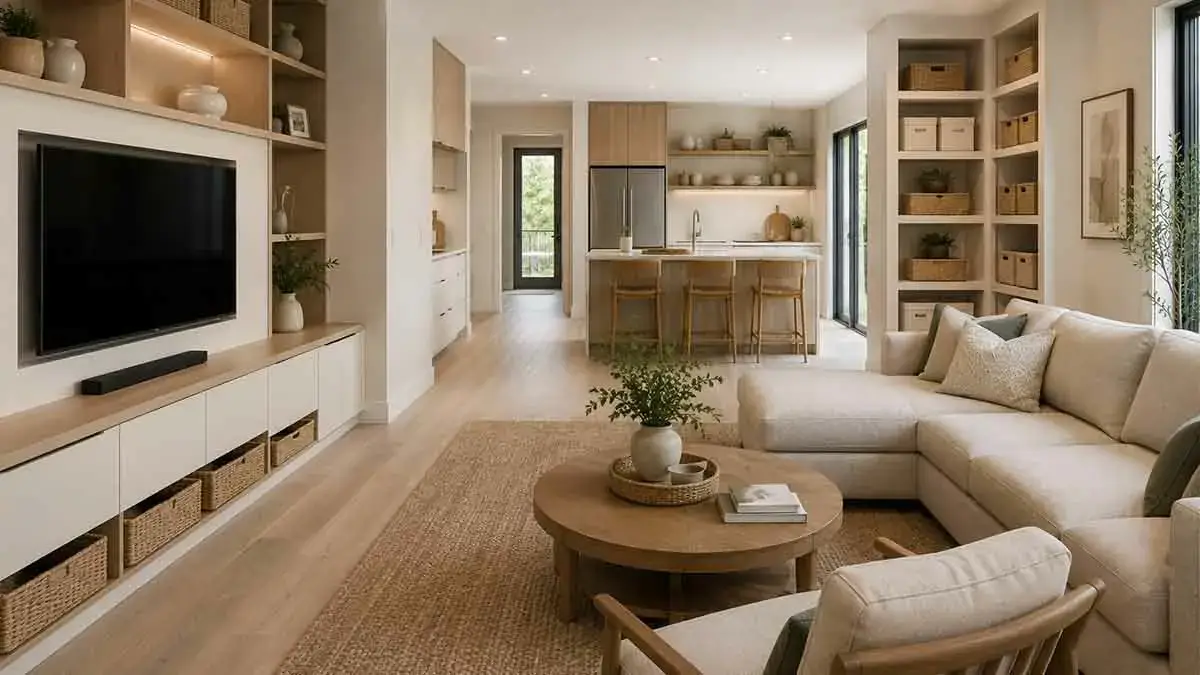
A well-organized home is easier to maintain, more comfortable to live in, and often feels more spacious. When everyday belongings have designated places, rooms stay cleaner, clutter becomes easier to control, and finding what you need takes less time.
However, effective home storage is not simply about adding more cabinets, shelves, bins, or containers. The best storage solutions are designed around how each room is used. Frequently used items should be easy to reach, while seasonal and rarely used belongings can be stored in less accessible areas.
Whether you live in a small apartment, a family home, or a large house, practical home storage and organization ideas can help you use available space more efficiently without making rooms feel crowded.
This guide explains how to improve home storage, organize different rooms, maximize small spaces, use closets and vertical areas more effectively, choose appropriate storage systems, and create organization habits that are easier to maintain.
Table of Contents
What Makes Good Home Storage?
Good storage should solve a specific problem rather than simply create more places to put things.
An effective storage system should be:
- Functional
- Accessible
- Appropriately sized
- Easy to maintain
- Durable
- Suitable for the room
- Flexible when possible
Before adding storage, determine what you actually need to store and how often you use those items.
A well-designed storage system should make it easier to put things away, not just provide additional capacity.
Start With Decluttering
Storage cannot solve every organization problem.
If a home contains more belongings than the available space can reasonably accommodate, adding cabinets and containers may simply create additional places for clutter to accumulate.
Start by sorting belongings into categories such as:
- Keep
- Donate
- Sell
- Recycle
- Discard
- Relocate
Decluttering first allows you to design storage around the items you actually use.
Identify Your Storage Needs
Before buying furniture or installing cabinets, identify the types of belongings that need storage.
Consider:
- Clothing
- Kitchenware
- Books
- Documents
- Cleaning supplies
- Tools
- Toys
- Electronics
- Seasonal decorations
- Sports equipment
- Linens
Also consider how frequently each category is used.
This helps determine whether an item belongs in a drawer, cabinet, closet, shelf, garage, attic, or another storage area.
Group Similar Items Together
Store similar belongings in the same general location.
For example:
- Cleaning supplies together
- Office supplies together
- Seasonal decorations together
- Tools together
- Towels together
- Important documents together
- Pet supplies together
Grouping similar items makes them easier to find and return to their designated locations.
Store Items Where They Are Used
One of the simplest organization principles is to store items close to where they are normally used.
Examples include:
- Cooking equipment near the kitchen work area
- Towels near the bathroom
- Shoes near the entryway
- Office supplies near the desk
- Cleaning products near the areas they serve
This reduces unnecessary movement and makes organization easier to maintain.
Organize Storage by Frequency of Use
Storage should reflect how often you use an item.
Daily-Use Items
Keep them in easily accessible drawers, cabinets, shelves, or hooks.
Weekly-Use Items
Place them nearby but they do not necessarily need the most convenient locations.
Seasonal Items
Store them in closets, basements, attics, garages, or other secondary areas when appropriate.
Rarely Used Items
Use less accessible storage for belongings that are needed only occasionally.
This simple hierarchy helps preserve premium storage space for the things you use most.
Make Use of Vertical Space
Walls often provide significant unused storage potential.
Consider:
- Tall cabinets
- Floating shelves
- Wall-mounted hooks
- Pegboards
- Tall bookcases
- Hanging organizers
Vertical storage is especially valuable in smaller homes because it increases capacity without using additional floor area.
Use Floor-to-Ceiling Storage
Floor-to-ceiling cabinets and shelving maximize vertical space.
They can be useful in:
- Kitchens
- Bedrooms
- Bathrooms
- Home offices
- Laundry rooms
- Entryways
Use the upper sections for seasonal or rarely used belongings and keep frequently accessed items within easy reach.
Add Floating Shelves
Floating shelves provide storage without taking up floor space.
They work well for:
- Books
- Plants
- Decorative objects
- Small containers
- Everyday essentials
Avoid overcrowding shelves. Leaving some open space can make the room feel less cluttered.
Install Wall-Mounted Hooks
Hooks are an inexpensive way to organize frequently used belongings.
Use them for:
- Coats
- Bags
- Towels
- Hats
- Keys
- Cleaning tools
- Pet leashes
Install hooks where people naturally use the items.
Use Pegboards
Pegboards provide flexible wall organization because hooks and accessories can be moved as storage needs change.
They can be particularly useful in:
- Garages
- Home offices
- Craft rooms
- Utility areas
- Kitchens
Use different sections for different categories rather than creating one overcrowded display.
Choose Baskets and Storage Bins
Baskets and bins are useful for grouping smaller belongings and reducing visual clutter.
They work well for:
- Blankets
- Toys
- Accessories
- Cleaning supplies
- Cables
- Seasonal items
Choose containers that fit the storage space rather than purchasing containers before measuring the area.
Label Storage Containers
Labels make shared and long-term storage easier to maintain.
Use labels for:
- Seasonal decorations
- Documents
- Children’s items
- Craft supplies
- Tools
- Spare household products
Clear labeling is especially helpful when containers are stored on high shelves or in secondary storage areas.
Choose Transparent or Opaque Containers
Transparent containers allow you to see their contents without opening every box.
They are useful for:
- Small hardware
- Craft supplies
- Accessories
- Pantry organization
Opaque containers may be preferable for items that should be protected from light or when you want to reduce visual clutter.
Choose the container type based on the contents and storage location.
Maximize Closet Storage
Closets often contain unused vertical space.
Consider adding:
- Double hanging rods
- Adjustable shelving
- Drawers
- Shoe racks
- Hooks
- Pull-out baskets
- Accessory organizers
Customize the closet around the clothing and belongings you actually own.
Use Double Hanging Rods
Double hanging rods can increase clothing capacity by using vertical space more efficiently.
One level can hold:
- Shirts
- Jackets
- Short dresses
The lower level can hold:
- Pants
- Skirts
- Other shorter garments
Leave enough clearance for clothing to hang without becoming difficult to access.
Add Closet Shelving
Shelves can hold:
- Folded clothing
- Shoes
- Bags
- Accessories
- Bedding
Adjustable shelving is particularly useful because storage requirements can change over time.
Use Closet Door Storage
The back of a closet door can provide additional storage space.
Options include:
- Hanging shoe organizers
- Hooks
- Small baskets
- Accessory organizers
Make sure the added storage does not interfere with the door, hinges, or closet contents.
Improve Bedroom Storage
Bedrooms often need storage for clothing, bedding, accessories, and personal belongings.
Consider:
- Storage beds
- Built-in wardrobes
- Under-bed containers
- Floating nightstands
- Tall dressers
- Closet organizers
Closed storage can help create a cleaner and calmer appearance.
Use Under-Bed Storage
The space beneath a bed can provide useful storage for items that are not needed every day.
Suitable items include:
- Seasonal clothing
- Extra bedding
- Shoes
- Luggage
Use containers with lids or drawers to protect belongings from dust and make cleaning easier.
Add Built-In Bedroom Storage
Built-in wardrobes can maximize available wall space while creating a more integrated appearance.
They can be designed around:
- Bed location
- Windows
- Doors
- Ceiling height
- Available wall width
Custom storage can be particularly useful in bedrooms with unusual dimensions.
Improve Living Room Storage
Living rooms often need storage for:
- Books
- Electronics
- Games
- Blankets
- Remote controls
- Decorative items
Use a combination of closed cabinets, shelves, baskets, and furniture with integrated storage.
The goal is to keep frequently used items accessible while reducing unnecessary visual clutter.
Use Storage Furniture
Furniture with built-in storage can provide additional capacity without requiring separate cabinets.
Useful options include:
- Storage coffee tables
- Storage ottomans
- Benches with compartments
- Storage sofas
- Media cabinets
Choose furniture based on the room’s size and circulation requirements.
Improve Kitchen Storage
Kitchens often require storage for many different categories of items.
Storage should accommodate:
- Cookware
- Dishes
- Food
- Small appliances
- Utensils
- Cleaning supplies
Organize storage according to workflow rather than simply filling every available cabinet.
Frequently used cooking equipment should remain close to the main preparation and cooking areas.
Use Drawer Organizers
Drawer organizers keep utensils and small kitchen items separated.
They can be used for:
- Cutlery
- Cooking tools
- Measuring utensils
- Kitchen accessories
Adjustable organizers can adapt when drawer contents change.
Add Pull-Out Cabinet Storage
Deep cabinets can be difficult to use efficiently because items at the back may become inaccessible.
Pull-out shelves and drawers allow you to bring stored items forward instead of reaching behind other belongings.
They can be particularly useful for:
- Pots and pans
- Pantry supplies
- Cleaning products
- Small appliances
Organize the Pantry
A pantry works best when items are grouped logically.
Possible categories include:
- Dry goods
- Canned foods
- Baking supplies
- Snacks
- Breakfast items
- Cooking ingredients
Keep frequently used products at convenient heights and use containers or bins when they make categories easier to manage.
Use Vertical Cabinet Dividers
Vertical dividers can organize large flat items such as:
- Baking sheets
- Cutting boards
- Serving trays
- Pot lids
They keep these items upright and make them easier to retrieve.
Add a Kitchen Island With Storage
A kitchen island can provide additional:
- Cabinets
- Drawers
- Shelves
- Counter space
Choose the island size carefully so that storage improvements do not compromise comfortable movement around the kitchen.
Improve Bathroom Storage
Bathrooms often have limited space but require storage for many small items.
Useful solutions include:
- Vanity drawers
- Medicine cabinets
- Tall cabinets
- Floating shelves
- Shower niches
- Over-the-toilet storage
Choose moisture-resistant materials where appropriate.
Add a Bathroom Vanity With Drawers
Drawers can provide easier access than deep cabinet compartments.
Use them for:
- Toiletries
- Hair tools
- Personal care products
- Small bathroom accessories
Organize drawers by category to prevent them from becoming cluttered.
Use a Medicine Cabinet
A medicine cabinet can provide useful storage without consuming much floor space.
It can hold:
- Personal care products
- Small toiletries
- Frequently used bathroom items
Install it in a practical location and consider moisture exposure and safe storage requirements.
Add a Shower Niche
A shower niche provides integrated storage for:
- Shampoo
- Soap
- Conditioner
- Other bathing products
A recessed niche requires proper waterproofing and careful installation.
Improve Entryway Storage
The entryway is often where everyday clutter begins.
Create dedicated storage for:
- Shoes
- Coats
- Bags
- Keys
- Umbrellas
Even a small organization system can make the entrance easier to maintain.
Create an Entryway Drop Zone
A drop zone is a designated location for items that enter and leave the home every day.
It might include:
- Small shelf
- Hooks
- Key tray
- Mail organizer
- Charging station
- Shoe storage
The purpose is to prevent everyday belongings from spreading into other rooms.
Add an Entryway Bench
An entryway bench can combine seating with storage.
It can provide space for:
- Shoes
- Bags
- Seasonal accessories
Choose a bench that leaves enough room for comfortable movement around the entrance.
Improve Home Office Storage
Home offices can quickly become cluttered with paperwork, electronics, and supplies.
Useful storage includes:
- Filing cabinets
- Shelves
- Desk drawers
- Cable organizers
- Closed cabinets
- Wall storage
Keep frequently used equipment accessible while storing less frequently used supplies elsewhere.
Create a Paper Management System
Paper clutter becomes easier to manage when documents have designated locations.
Create separate areas for:
- Incoming documents
- Documents requiring action
- Important records
- Archived paperwork
- Recycling
Process documents regularly instead of allowing them to accumulate.
Improve Laundry Room Storage
Laundry rooms can benefit from efficient vertical storage.
Consider:
- Wall cabinets
- Shelves
- Hanging rods
- Folding counters
- Laundry baskets
Keep laundry products organized and stored safely.
Organize Cleaning Supplies
Cleaning supplies should be grouped logically and stored safely.
Possible locations include:
- Utility cabinets
- Laundry room cabinets
- Under-sink storage
- Dedicated cleaning closets
Keep products in their original containers where appropriate and make potentially hazardous products inaccessible to children and pets.
Create a Cleaning Closet
A dedicated cleaning closet can store:
- Vacuum cleaner
- Mop
- Broom
- Cleaning products
- Buckets
- Replacement supplies
Use hooks, wall holders, and shelves to maximize vertical space.
Improve Garage Storage
Garages often become storage areas for tools, equipment, seasonal belongings, and household supplies.
Create separate categories for:
- Tools
- Gardening equipment
- Sports equipment
- Automotive supplies
- Seasonal items
Keep frequently used equipment easy to reach.
Use Garage Wall Storage
Wall-mounted systems can free valuable floor space.
Options include:
- Pegboards
- Slatwall systems
- Hooks
- Shelves
- Cabinets
Heavy items should be stored on systems designed and installed to support their weight.
Use Overhead Garage Storage
Ceiling-mounted storage can hold seasonal belongings and other items that are rarely needed.
Before installing overhead storage, make sure it does not interfere with:
- Vehicles
- Garage doors
- Lighting
- Sprinklers or other equipment
- Safe walking areas
Follow the storage system’s installation and load requirements.
Improve Basement Storage
Basements can provide substantial storage capacity, but environmental conditions matter.
Before storing belongings, consider:
- Moisture
- Humidity
- Flood risk
- Temperature
- Pest control
Use appropriate containers and elevate belongings where water exposure is a concern.
Improve Attic Storage
Attics can be useful for seasonal storage, but conditions vary.
Consider:
- Temperature
- Humidity
- Ventilation
- Floor loading
- Accessibility
Do not place stored items where they could block insulation, ventilation pathways, or building equipment.
Use Stair Storage
The area beneath or beside stairs can provide valuable storage.
Possible solutions include:
- Drawers
- Cabinets
- Shelves
- Closets
- Pull-out compartments
Custom solutions can make otherwise difficult spaces significantly more useful.
Use Hallway Storage
Hallways can sometimes accommodate shallow storage without interfering with circulation.
Consider:
- Narrow cabinets
- Floating shelves
- Wall hooks
- Built-in storage
Keep the walking path sufficiently clear.
Use Door-Mounted Storage
Doors can provide additional storage surfaces.
Possible uses include:
- Shoes
- Accessories
- Cleaning tools
- Small household supplies
Make sure the door and hardware can safely accommodate the added weight.
Use Corner Storage
Corners are often overlooked when planning home organization.
Possible solutions include:
- Corner shelves
- Tall cabinets
- Corner desks
- Built-in benches
Measure carefully because poorly sized furniture can leave awkward gaps or restrict movement.
Use Furniture With Hidden Storage
Hidden storage helps keep everyday belongings out of sight.
Examples include:
- Storage beds
- Ottomans
- Benches
- Coffee tables
- Cabinets
- Sofas with storage compartments
Use hidden compartments for items that need to remain accessible without being constantly visible.
Create a Seasonal Storage System
Seasonal belongings should not occupy premium storage space throughout the year.
Create dedicated storage for:
- Holiday decorations
- Winter clothing
- Summer equipment
- Seasonal bedding
- Outdoor accessories
Label containers clearly and keep related items together.
Organize Children’s Storage
Children’s belongings can quickly spread throughout the home.
Use:
- Low shelves
- Bins
- Toy boxes
- Hooks
- Labeled containers
Frequently used items can be stored at heights children can safely reach.
Create a Toy Rotation System
Keeping every toy accessible at once can create unnecessary visual clutter.
Instead, store some toys separately and rotate them periodically.
This approach can make the available toys easier to manage while reducing the amount of clutter in the main living area.
Organize Pet Supplies
Create a dedicated location for:
- Food
- Leashes
- Toys
- Grooming supplies
- Cleaning products
Keeping pet supplies together makes daily care more convenient.
Create a Home Charging Station
A centralized charging area can reduce cable clutter and prevent devices from being scattered throughout the house.
It can hold:
- Phones
- Tablets
- Smartwatches
- Other portable devices
Use cable management solutions to keep chargers organized.
Create a Household Command Center
A household command center can centralize everyday information and frequently used items.
It might include:
- Calendar
- Mail organizer
- Keys
- Charging station
- Shopping list
- Important notes
Place it in a convenient area such as the kitchen, entryway, or home office.
Use Modular Storage Systems
Modular storage systems can adapt as household needs change.
They may include:
- Adjustable shelves
- Stackable bins
- Movable drawers
- Configurable cabinets
Flexibility can be particularly valuable for growing households or changing room uses.
Maximize Unused Wall Space
Look for walls that currently provide little practical value.
Possible storage additions include:
- Shelves
- Cabinets
- Hooks
- Pegboards
- Wall-mounted organizers
Do not add storage simply because a wall is empty. Every storage addition should solve a real problem.
Use the Space Under Furniture
The space beneath furniture can provide useful hidden storage.
Suitable locations include:
- Beds
- Sofas
- Benches
- Cabinets
Choose containers that can be removed easily for cleaning.
Keep Frequently Used Items Accessible
A useful storage system should reduce effort.
Place frequently used belongings:
- At eye level
- Near work areas
- Near entry points
- In easily opened drawers
- On accessible shelves
Avoid storing everyday items in locations that require unnecessary bending, reaching, or moving other objects.
Improve Storage Accessibility
Storage capacity is not enough if the system is difficult to use.
Avoid placing everyday items:
- Too high
- Too low
- Behind multiple layers
- Inside difficult-to-open containers
- In locations with restricted access
Good storage minimizes the effort required to retrieve and return items.
Improve Storage Safety
Storage systems should be installed securely.
Pay particular attention to:
- Tall bookcases
- Wall cabinets
- Garage shelving
- Overhead storage
- Heavy objects
- Children’s furniture
Anchor furniture where appropriate and follow manufacturer installation requirements.
Avoid placing excessively heavy objects on shelves that are not designed to support them.
Choose Durable Storage Materials
Storage systems receive regular use, so material selection matters.
Common options include:
- Wood
- Engineered wood
- Metal
- Plastic
- Wire systems
Choose materials based on the environment.
Bathrooms may require moisture-resistant materials, while garages may benefit from durable metal storage systems.
Home Storage Ideas on a Budget
You can improve organization without undertaking major construction.
Affordable options include:
- Decluttering
- Rearranging existing storage
- Adding hooks
- Using baskets
- Adding labels
- Installing floating shelves
- Using under-bed containers
- Adding drawer organizers
- Repurposing suitable furniture
Start with changes that make existing space more efficient before purchasing new storage furniture.
Mid-Range Storage Improvements
With a moderate budget, consider:
- Closet organizers
- New shelving
- Storage furniture
- Pantry systems
- Garage wall storage
- Bathroom storage upgrades
- Built-in shelving
These improvements can increase usable storage without requiring major structural work.
Major Home Storage Improvements
A larger renovation may include:
- Built-in wardrobes
- Custom cabinetry
- Walk-in closets
- Mudrooms
- Pantry construction
- Built-in media walls
- Under-stair storage
- Dedicated storage rooms
Major storage improvements should be planned as part of the home’s overall layout rather than added as isolated features.
Storage Ideas for Small Homes
Small homes require careful use of every available area.
Prioritize:
- Vertical storage
- Multi-functional furniture
- Built-in storage
- Hidden storage
- Wall-mounted solutions
- Under-bed storage
- Fold-away furniture
- Flexible organization systems
Avoid filling rooms with oversized storage furniture that reduces usable floor space.
Storage Ideas for Large Homes
Large homes can still experience storage problems when belongings are scattered across multiple rooms.
Create dedicated storage zones for:
- Seasonal items
- Sports equipment
- Tools
- Household supplies
- Linens
- Luggage
- Hobby equipment
Logical storage zones reduce the need to search throughout the home for specific belongings.
Common Home Storage Mistakes
Adding Storage Before Decluttering
More cabinets do not solve unnecessary accumulation.
Buying Containers First
Measure the storage area and identify the items being stored before purchasing containers.
Ignoring Vertical Space
Walls and tall cabinets often provide valuable unused capacity.
Overfilling Shelves
Storage becomes difficult to use when everything is packed tightly.
Storing Items Too Far Away
Frequently used belongings should be convenient to access.
Creating Unlabeled Boxes
Unclear containers make long-term storage difficult to manage.
Using the Wrong Material
Storage materials should match the room’s moisture, temperature, and usage conditions.
Ignoring Safety
Tall, heavy, and wall-mounted storage systems must be installed securely.
Creating an Overly Complicated System
An organization system that requires too many steps can be difficult to maintain.
Focusing Only on Appearance
Storage should work efficiently rather than simply look organized.
How to Plan a Home Storage and Organization Project
Step 1: Identify Clutter Problems
Determine which areas repeatedly become disorganized and why.
Step 2: Declutter
Remove belongings that are no longer needed or useful.
Step 3: Group Belongings
Create practical categories based on how the items are used.
Step 4: Measure Available Space
Record cabinet, closet, wall, and floor dimensions.
Step 5: Prioritize Storage Needs
Determine which belongings require the easiest access.
Step 6: Choose Storage Solutions
Select shelves, cabinets, bins, drawers, hooks, or storage furniture based on the space.
Step 7: Install Storage
Secure wall-mounted and tall storage systems appropriately.
Step 8: Organize by Frequency of Use
Keep everyday belongings accessible and move seasonal or rarely used items to secondary storage.
Step 9: Label Where Necessary
Use labels for shared, seasonal, and difficult-to-identify storage.
Step 10: Maintain the System
Return items to their designated locations and periodically remove belongings that are no longer needed.
Home Storage and Organization Checklist
Use this checklist when improving storage throughout your home:
- Declutter unused belongings
- Identify recurring clutter problems
- Group similar items
- Measure storage areas
- Use vertical space
- Improve closets
- Organize kitchen storage
- Improve bathroom storage
- Organize the entryway
- Improve bedroom storage
- Organize the home office
- Create cleaning storage
- Improve garage storage
- Organize seasonal items
- Label containers where needed
- Improve cable storage
- Use multi-functional furniture
- Secure tall storage units
- Keep frequently used items accessible
- Leave some storage capacity available
- Review the organization system regularly
Final Thoughts
The best home storage and organization ideas are based on how your household actually uses each space. Instead of adding storage everywhere, start by removing unnecessary belongings, identifying recurring clutter problems, and deciding where each category of item should be stored.
Use vertical space, closets, cabinets, shelves, built-ins, multi-functional furniture, baskets, and containers to make better use of the available area. Keep everyday belongings accessible and move seasonal or rarely used items into secondary storage areas.
A successful organization system should also be easy to maintain. Avoid overcomplicated categories, overfilled shelves, and storage solutions that are difficult to access.
Whether you are organizing a small apartment or improving storage throughout a large house, the goal is the same: create a home where belongings have logical places, clutter is easier to control, and everyday tasks require less effort.
Good storage does not simply create more space. It makes the space you already have work better.