
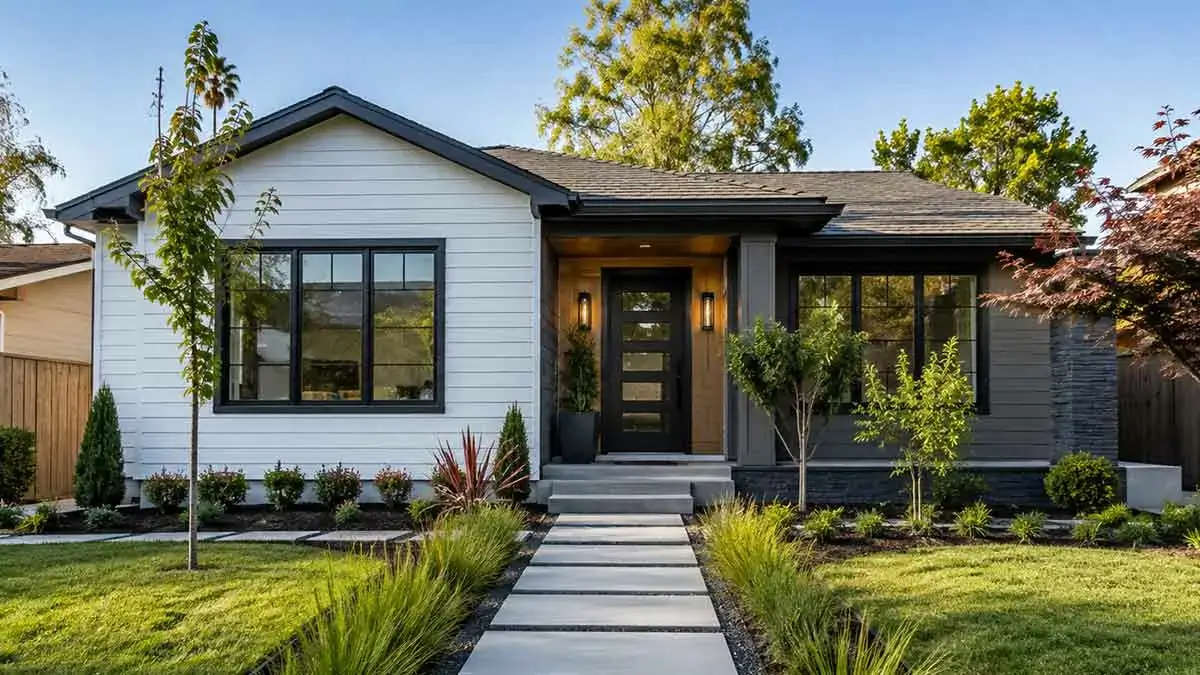
Exterior home renovation can improve a property’s appearance, weather protection, energy performance, durability, and outdoor functionality. Unlike a purely cosmetic makeover, renovation often involves repairing or upgrading the components that protect the home from the elements, such as siding, roofing, windows, doors, drainage systems, and exterior structures.
A renovation can be as simple as repainting and repairing damaged siding or as extensive as replacing the roof, windows, exterior cladding, doors, porch, driveway, and landscaping. The right approach depends on the home’s current condition, architectural style, climate, budget, and long-term goals.
Planning is especially important because exterior projects are interconnected. For example, replacing siding may reveal moisture damage, while replacing windows may affect exterior trim and insulation. Addressing these relationships before construction begins can prevent unnecessary costs and delays.
This complete guide explains how to plan an exterior home renovation, which projects to prioritize, what materials to consider, how to control costs, and how to avoid common renovation mistakes.
Table of Contents
What Is Exterior Home Renovation?
Exterior home renovation is the process of repairing, upgrading, restoring, or replacing components on the outside of a house.
The work may involve both functional and aesthetic improvements, including:
- Siding repair or replacement
- Exterior painting
- Roof repairs or replacement
- Window and door upgrades
- Porch and entryway improvements
- Deck or patio renovation
- Gutter replacement
- Drainage improvements
- Driveway and walkway repairs
- Exterior lighting
- Landscaping
- Exterior insulation improvements
Some projects improve appearance, while others protect the building from moisture, weather, structural deterioration, and energy loss.
A successful renovation should address the condition of the home as well as its appearance.
Exterior Renovation vs. Exterior Remodel
The terms exterior renovation and exterior remodel are often used interchangeably, but they can describe somewhat different scopes of work.
Exterior renovation generally focuses on repairing, restoring, or upgrading existing components. Examples include replacing damaged siding, repainting, repairing a porch, or upgrading windows.
Exterior remodeling can involve more substantial changes to the home’s design or configuration, such as changing window locations, modifying exterior walls, adding a porch, or substantially redesigning the façade.
The distinction is not always strict, but understanding the scope helps when planning a project and comparing contractor estimates.
Why Renovate Your Home Exterior?
The exterior is the home’s first line of defense against rain, wind, sunlight, temperature changes, and moisture.
Renovating it can provide several important benefits.
Improve Curb Appeal
Exterior improvements can dramatically change how a home looks.
Painting, new siding, updated doors, improved lighting, and landscaping can create a more cohesive and modern appearance.
Protect the Home From Weather
Damaged roofing, siding, trim, gutters, or windows can allow water to reach areas that are not designed to remain exposed.
Repairing these components can help reduce the risk of moisture damage and deterioration.
Improve Energy Performance
Older windows, doors, siding assemblies, and insulation may contribute to unwanted heat transfer and air leakage.
Improving these components can make indoor temperatures more consistent and may reduce heating and cooling demands.
Increase Durability
Replacing deteriorated materials with appropriate, durable products can reduce recurring maintenance and extend the useful life of exterior components.
Improve Outdoor Functionality
Renovation can also make outdoor areas more useful.
A renovated porch, deck, patio, walkway, or entryway can improve how the property is used every day.
Signs Your Home Exterior Needs Renovation
Several visible conditions can indicate that exterior work is necessary.
Look for:
- Cracked or damaged siding
- Warped exterior materials
- Peeling or blistering paint
- Rotten wood
- Missing or damaged roofing materials
- Repeated roof leaks
- Damaged flashing
- Cracked exterior trim
- Drafty or deteriorated windows
- Damaged exterior doors
- Sagging gutters
- Water pooling near the foundation
- Cracked or uneven walkways
- Deteriorated decks or porches
- Poor exterior drainage
Some problems are cosmetic, while others can indicate moisture intrusion or structural deterioration.
When the cause is unclear, a professional inspection can help determine the appropriate repair.
How to Plan an Exterior Home Renovation
Exterior renovation should begin with evaluation rather than material selection.
1. Inspect the Existing Exterior
Walk around the entire property and examine:
- Roof
- Siding
- Exterior walls
- Windows
- Doors
- Trim
- Gutters
- Downspouts
- Foundation
- Porch
- Deck
- Driveway
- Walkways
- Landscaping
- Exterior lighting
Look for water damage, deterioration, cracks, movement, and areas requiring maintenance.
2. Identify the Source of Problems
Do not repair symptoms without understanding their cause.
For example, peeling paint may be caused by moisture rather than simply aging paint.
Similarly, water near the foundation may be related to grading, gutters, or downspouts rather than the foundation itself.
3. Prioritize Necessary Repairs
A practical priority is:
- Structural problems
- Water intrusion and drainage
- Roof problems
- Exterior wall and siding damage
- Windows and doors
- Energy-efficiency improvements
- Cosmetic improvements
- Landscaping and decorative upgrades
This order helps protect new work from damage caused by unresolved problems.
4. Establish Your Goals
Decide whether your primary goal is:
- Repair
- Protection
- Energy efficiency
- Curb appeal
- Maintenance reduction
- Outdoor living
- Preparing the home for sale
- A combination of these goals
Your priorities will influence how you allocate the renovation budget.
Exterior Home Inspection Checklist
Before beginning work, examine the major exterior systems.
Roof
Check for:
- Missing materials
- Damaged shingles or tiles
- Sagging
- Leaks
- Deteriorated flashing
Siding and Walls
Look for:
- Cracks
- Warping
- Rot
- Loose materials
- Moisture damage
Windows and Doors
Check:
- Drafts
- Damaged frames
- Failed seals
- Difficult operation
- Deteriorated exterior trim
Gutters and Drainage
Look for:
- Blockages
- Leaks
- Loose gutters
- Poor downspout discharge
- Water pooling near the home
Exterior Structures
Inspect:
- Porches
- Decks
- Railings
- Stairs
- Fences
Safety-related deterioration should receive priority.
Prioritize Repairs Before Cosmetic Upgrades
One of the most important renovation principles is to repair the building envelope before focusing on appearance.
For example, repainting a wall before fixing water intrusion can result in damaged paint and additional work later.
Likewise, installing new landscaping before correcting drainage can lead to erosion, standing water, or damage to newly planted areas.
A good renovation improves the home’s underlying condition before adding decorative features.
Set an Exterior Renovation Budget
Exterior renovation costs vary significantly.
Your budget may need to cover:
- Materials
- Labor
- Demolition
- Waste disposal
- Permits
- Inspections
- Design services
- Equipment
- Structural repairs
- Unexpected conditions
Keep a contingency amount available because concealed damage may not become visible until work begins.
Choose an Exterior Design Style
The exterior should work as a unified design.
Consider the home’s:
- Architectural style
- Roof shape
- Window proportions
- Existing materials
- Neighborhood context
- Landscape
Coordinate major elements such as siding, roofing, trim, doors, windows, and lighting.
Avoid selecting each component independently without considering the overall façade.
Exterior Home Renovation Projects
Exterior renovation can involve one project or several coordinated upgrades.
The following are among the most common options.
Exterior Painting
Painting can provide a relatively significant visual improvement without completely changing the exterior.
Before painting:
- Repair damaged surfaces
- Remove loose paint
- Address moisture problems
- Prepare the surface properly
- Use a coating appropriate for the material
Exterior paint should be considered a finish, not a solution for structural or moisture problems.
Siding Renovation and Replacement
Siding protects exterior walls while contributing significantly to curb appeal.
Common siding materials include:
- Vinyl
- Fiber cement
- Wood
- Engineered wood
- Metal
- Composite materials
When comparing siding, consider:
- Durability
- Maintenance
- Moisture resistance
- Climate suitability
- Appearance
- Installation requirements
- Long-term cost
Replacing siding can also provide an opportunity to inspect the wall assembly and address underlying problems.
Roof Renovation
Roof work should generally receive high priority because the roof protects the entire building.
Depending on its condition, renovation may involve:
- Repairing damaged areas
- Replacing flashing
- Repairing penetrations
- Improving ventilation
- Replacing roofing materials
A roof replacement may be appropriate when the existing system has reached the end of its useful life or has widespread deterioration.
Window Replacement
Windows affect:
- Energy performance
- Comfort
- Air leakage
- Outdoor noise
- Natural light
- Exterior appearance
When replacing windows, consider frame materials, glazing performance, installation quality, weather exposure, and compatibility with the existing wall assembly.
Window replacement should not be based solely on the appearance of the window.
Exterior Door Replacement
Exterior doors contribute to security, weather protection, insulation, and curb appeal.
Common materials include:
- Fiberglass
- Steel
- Wood
- Glass-panel systems
Pay attention to the door frame, threshold, weatherstripping, and installation details as well as the door itself.
Porch and Entryway Renovation
The entryway creates an important first impression.
Improvements may include:
- Replacing the front door
- Repairing stairs
- Updating railings
- Adding lighting
- Repainting trim
- Installing a porch roof
- Improving the walkway
Safety and weather protection should be considered alongside appearance.
Deck and Patio Improvements
Outdoor living spaces can extend the functional area of a home.
Renovation options include:
- Repairing deck boards
- Replacing deteriorated railings
- Refinishing wood
- Resurfacing suitable structures
- Building a new patio
- Improving drainage
- Adding shade
- Installing outdoor lighting
Structural decks and elevated outdoor structures should be inspected carefully before renovation.
Gutters and Drainage
Effective drainage is essential for protecting the exterior and foundation.
Inspect:
- Gutters
- Downspouts
- Extensions
- Grading
- Drainage channels
Water should be directed away from the home’s foundation where appropriate.
A beautiful exterior renovation can still fail if drainage problems remain unresolved.
Driveway and Walkway Improvements
Driveways and walkways influence both curb appeal and safety.
Possible improvements include:
- Crack repair
- Resurfacing
- Replacement
- Paver installation
- Improved drainage
- Better pathway lighting
Choose materials that are suitable for the climate and expected traffic.
Exterior Lighting
Exterior lighting can improve safety, visibility, and architectural appearance.
Useful locations include:
- Front entry
- Walkways
- Driveway
- Garage
- Porch
- Deck
- Patio
- Landscape areas
Use lighting strategically rather than illuminating every part of the property equally.
Landscaping and Curb Appeal
Landscaping should complement the renovated exterior.
Potential improvements include:
- Pruning overgrown vegetation
- Adding shrubs
- Improving lawn areas
- Creating planting beds
- Installing pathways
- Adding mulch or decorative stone
- Improving landscape lighting
Select plants according to local climate, sunlight, water requirements, and maintenance needs.
Exterior Insulation and Energy Efficiency
Exterior renovation can provide an opportunity to improve thermal performance.
Depending on the building assembly, options may include:
- Improving wall insulation
- Addressing air leakage
- Upgrading windows
- Improving exterior doors
- Adding appropriate exterior insulation
- Improving roof or attic insulation
Energy improvements should be evaluated as part of the complete building envelope rather than as isolated upgrades.
Exterior Home Renovation Materials
Material selection affects appearance, durability, maintenance, and cost.
When comparing materials, evaluate:
- Expected service life
- Climate suitability
- Moisture exposure
- Maintenance requirements
- Installation complexity
- Repairability
- Availability
- Overall cost
The best material is not necessarily the cheapest or most expensive. It is the one that fits the home’s conditions and the owner’s priorities.
How Much Does Exterior Home Renovation Cost?
There is no single price for an exterior home renovation because project scope varies substantially.
A relatively small renovation may involve painting, landscaping, and minor repairs. A comprehensive renovation may include roofing, siding, windows, doors, drainage, exterior structures, and landscaping.
Major cost factors include:
- Home size
- Exterior condition
- Material selection
- Labor rates
- Structural repairs
- Accessibility
- Design complexity
- Permit requirements
- Number of systems being renovated
When estimating the budget, separate repair costs, replacement costs, and cosmetic upgrades.
This makes it easier to identify which expenses are essential and which can be postponed.
Ways to Reduce Renovation Costs
Renovate in Phases
Complete urgent repairs first and schedule cosmetic improvements later.
This can make a large project easier to finance and manage.
Keep the Existing Configuration
Changing the location of windows, doors, walls, or major exterior elements can increase construction complexity.
Keeping the existing layout where practical can reduce labor and material costs.
Compare Contractor Quotes
For significant projects, obtain multiple detailed estimates.
Compare:
- Scope of work
- Materials
- Labor
- Schedule
- Warranty
- Exclusions
- Payment terms
Do not choose a contractor solely because the estimate is the lowest.
Select Durable Materials
A material with a higher initial cost may provide better long-term value if it lasts longer and requires less maintenance.
Coordinate Related Work
Combining related projects can reduce repeated preparation and labor.
For example, siding work may be coordinated with exterior wall repairs or insulation improvements.
DIY vs. Professional Exterior Renovation
Some projects are relatively accessible to experienced homeowners, while others involve significant safety or structural concerns.
Projects That May Be Suitable for DIY
Depending on experience and local requirements:
- Painting
- Basic landscaping
- Minor cosmetic repairs
- Some decorative improvements
- Simple maintenance tasks
Projects That Often Require Professionals
Professional assistance is generally appropriate for:
- Roofing
- Structural repairs
- Foundation work
- Major siding installation
- Window installation
- Electrical work
- Structural decks and porches
- Major drainage systems
Professional work may also be necessary when permits, engineering, inspections, or specialized equipment are involved.
Exterior Renovation Permits and Building Requirements
Some exterior projects require permits or inspections.
Requirements vary according to location and project scope.
Permits may be relevant to projects involving:
- Structural changes
- New decks or porches
- Major additions
- Significant window or door modifications
- Electrical work
- Plumbing
- Changes to drainage
- Other regulated construction work
Check applicable local requirements before construction begins.
Exterior Renovation Timeline
The timeline depends on project size, weather, material availability, contractor scheduling, and hidden conditions.
A typical renovation may follow this sequence:
- Initial inspection
- Scope definition
- Budget planning
- Design and material selection
- Contractor selection
- Permit approval when required
- Structural and water-related repairs
- Roofing work
- Siding, windows, and doors
- Painting and exterior finishes
- Outdoor structures
- Landscaping
- Final inspection and cleanup
The exact sequence may change depending on the project.
Weather-sensitive work should also be scheduled according to local seasonal conditions.
Common Exterior Renovation Mistakes
Focusing Only on Appearance
A visually attractive exterior is not enough if the building has unresolved moisture or structural problems.
Choosing Materials Only by Price
Low initial cost can result in higher maintenance or replacement expenses later.
Ignoring Drainage
Water management is one of the most important aspects of exterior durability.
Starting Cosmetic Work Too Early
Painting and landscaping should not be completed before major repairs that could damage them.
Changing the Design During Construction
Late design changes can increase material waste, labor costs, and delays.
Ignoring Maintenance
Every exterior material requires some level of care.
Choose materials that fit your willingness and ability to maintain them.
Underestimating Hidden Damage
Older homes may contain concealed rot, moisture damage, outdated construction, or structural deterioration.
Maintain contingency funds for unexpected repairs.
Failing to Coordinate the Exterior
Different siding, roofing, windows, doors, lighting, and landscaping choices should work together visually.
How to Prioritize Exterior Improvements
If your budget is limited, do not try to renovate everything at once.
A practical approach is:
First: Protect the Home
Address:
- Roof leaks
- Water intrusion
- Structural damage
- Drainage problems
- Unsafe exterior structures
Second: Improve Building Performance
Consider:
- Air sealing
- Insulation
- Windows
- Exterior doors
- Weather protection
Third: Improve Appearance
Focus on:
- Paint
- Siding
- Trim
- Lighting
- Entryway improvements
Fourth: Improve Outdoor Living
Consider:
- Decks
- Patios
- Porches
- Walkways
- Landscaping
This approach directs money toward improvements that protect the property before purely decorative upgrades.
Exterior Home Renovation Checklist
Before starting the project, review:
- Roof condition
- Siding condition
- Exterior wall condition
- Window condition
- Exterior doors
- Exterior trim
- Gutters
- Downspouts
- Drainage
- Foundation condition
- Porch and deck safety
- Driveway condition
- Walkway condition
- Exterior lighting
- Landscaping
- Energy-efficiency opportunities
- Material selection
- Project budget
- Contingency budget
- Contractor requirements
- Permit requirements
- Renovation timeline
- Maintenance requirements
Is Exterior Home Renovation Worth It?
Exterior home renovation can be worthwhile when it addresses real problems while improving the appearance and functionality of the property.
The strongest renovation plans usually balance four priorities:
- Protection
- Durability
- Performance
- Appearance
If you plan to remain in the home, prioritize improvements that increase comfort, durability, and reduce maintenance.
If you plan to sell, focus on visible condition, curb appeal, and improvements that address obvious deficiencies.
The right renovation is not necessarily the largest one. It is the project that provides the greatest improvement relative to its cost and the home’s needs.
Final Thoughts
Exterior home renovation can transform the appearance and performance of a property, but successful results depend on more than choosing attractive materials.
Start by inspecting the existing exterior and identifying problems involving water, structure, roofing, drainage, and weather protection. Address these issues before investing heavily in cosmetic improvements.
Then develop a realistic budget, select materials appropriate for the home’s climate and architecture, and coordinate related projects whenever practical.
Whether you are repainting the exterior, replacing siding, upgrading windows, renovating a porch, improving drainage, or completing a larger renovation, careful planning can help create an exterior that is attractive, durable, functional, and easier to maintain for years to come.