
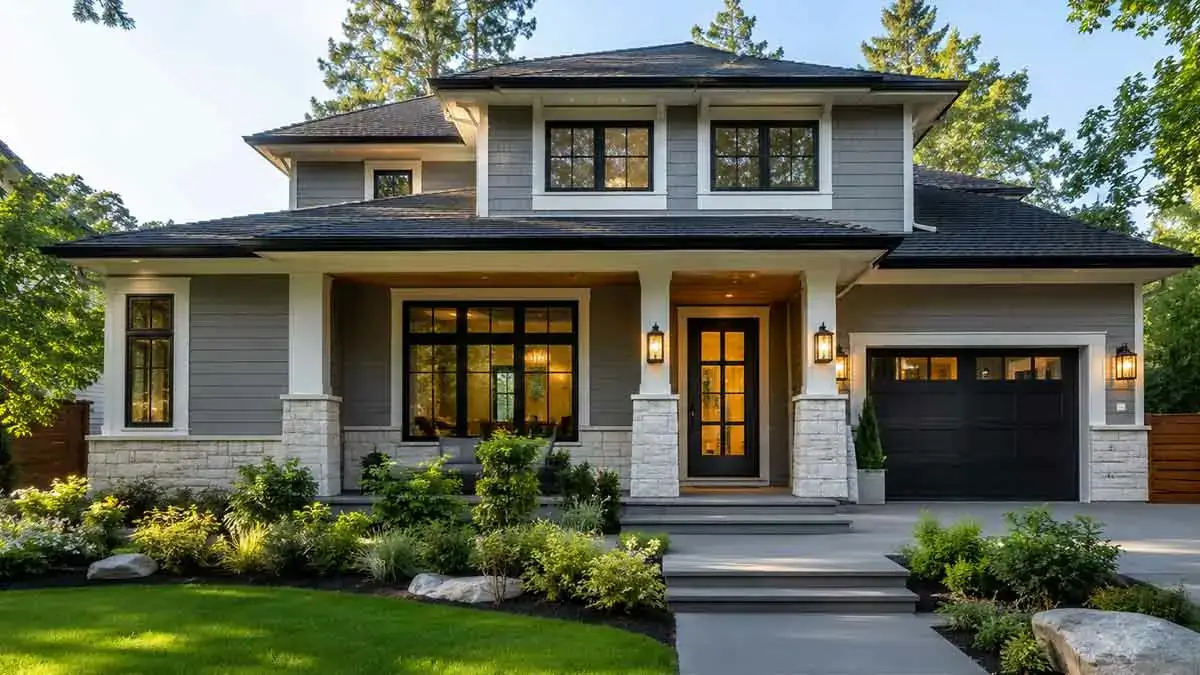
Improving your home’s exterior can make a noticeable difference in its appearance, functionality, durability, and overall curb appeal. You do not always need a major remodel or complete renovation to create a better-looking and more functional exterior.
Simple improvements such as repainting the front door, upgrading exterior lighting, improving landscaping, replacing outdated house numbers, or cleaning and repairing exterior surfaces can produce significant results. Larger improvements, including new siding, upgraded windows, a renovated porch, or improved outdoor living areas, can provide additional benefits.
The best home exterior improvement ideas combine appearance with practical value. Instead of focusing only on decoration, consider improvements that also protect the home, improve energy performance, reduce maintenance, or make outdoor spaces easier to use.
This guide explores practical home exterior improvement ideas for different budgets, home styles, and priorities.
Table of Contents
What Are Home Exterior Improvements?
Home exterior improvements are upgrades, repairs, and design changes that improve the outside of a property.
They can involve:
- Exterior walls
- Siding
- Paint
- Windows
- Doors
- Roofing
- Gutters
- Porches
- Decks
- Patios
- Walkways
- Driveways
- Landscaping
- Lighting
- Outdoor storage
Some improvements are primarily cosmetic, while others improve protection, energy efficiency, safety, or everyday usability.
The most effective projects often provide more than one benefit.
Why Improve Your Home Exterior?
The exterior of a home is the first part of the property that visitors and potential buyers see.
Exterior improvements can:
- Improve curb appeal
- Protect exterior materials
- Reduce maintenance
- Improve outdoor functionality
- Increase comfort
- Improve energy performance
- Enhance safety
- Create a more cohesive design
- Improve the property’s overall presentation
You do not have to complete all improvements at once. A phased approach can make exterior upgrades easier to manage.
Quick Home Exterior Improvement Ideas
Some exterior improvements can be completed without major construction.
Consider:
- Repainting the front door
- Replacing old house numbers
- Updating outdoor light fixtures
- Cleaning siding
- Trimming overgrown plants
- Adding fresh mulch
- Repainting exterior trim
- Improving the front walkway
- Replacing worn hardware
- Adding planters near the entrance
- Cleaning gutters
- Improving visible outdoor storage
These small changes can refresh the appearance of a home without changing its structure.
Improve the Front Door
The front door is one of the most noticeable elements of a home’s exterior.
Possible improvements include:
- Repainting the door
- Replacing the door
- Updating the handle
- Installing a new knocker
- Adding decorative glass
- Improving weatherstripping
- Installing a new porch light
Choose a door style that complements the architectural character of the house.
A front door should also provide appropriate security and weather protection.
Refresh Exterior Paint
A new exterior paint finish can dramatically change the appearance of a home.
You can paint:
- Siding
- Trim
- Shutters
- Doors
- Porch components
- Other suitable exterior surfaces
Before painting, repair damaged materials and address moisture problems.
Choose exterior coatings that are appropriate for the substrate and local environmental conditions.
Upgrade House Numbers
House numbers are a small detail, but they can improve both appearance and visibility.
Consider:
- Larger numbers
- Modern metal numbers
- Backlit numbers
- Decorative plaques
- High-contrast designs
Place numbers where they can be easily seen from the street.
Improve Exterior Lighting
Exterior lighting can improve safety while adding visual interest.
Useful locations include:
- Front door
- Porch
- Walkway
- Driveway
- Garage
- Patio
- Deck
- Garden
- Side entrances
Use a combination of functional and decorative lighting rather than relying on one bright fixture.
Motion sensors and timers can also make outdoor lighting more convenient where appropriate.
Clean and Repair Exterior Surfaces
Before adding new features, improve the condition of existing surfaces.
Depending on the material, this may involve:
- Cleaning siding
- Washing exterior walls
- Removing dirt
- Cleaning windows
- Repairing cracks
- Replacing damaged trim
- Removing deteriorated materials
- Repainting worn surfaces
Regular maintenance can sometimes make an older exterior look significantly better without a major upgrade.
Upgrade Exterior Trim
Exterior trim helps frame windows, doors, rooflines, and other architectural features.
Improvements may include:
- Repainting trim
- Replacing damaged boards
- Updating decorative profiles
- Coordinating trim colors
- Improving transitions around windows and doors
Use trim strategically. Excessive decorative elements can make a façade look visually busy.
Improve the Front Porch
A porch can be both a functional outdoor space and an important architectural feature.
Ideas include:
- Repainting the porch
- Replacing damaged flooring
- Updating railings
- Adding comfortable seating
- Installing outdoor lighting
- Adding planters
- Improving the entry path
Safety should be addressed before decorative improvements.
Improve the Entryway
A well-designed exterior entryway can make the home feel more welcoming.
Consider:
- A clear walkway
- Attractive lighting
- A defined front door
- Planters
- A porch bench
- Updated hardware
- House numbers
- Weather-resistant decorative elements
Keep the entrance visually clear and easy to access.
Add Window Boxes
Window boxes can add color and character to suitable homes.
They work particularly well with:
- Traditional houses
- Cottage-style homes
- Farmhouse-inspired exteriors
- Smaller homes
Choose plants according to sunlight, climate, watering requirements, and maintenance needs.
Make sure window boxes are securely installed and do not interfere with drainage or window operation.
Upgrade Windows
Windows have both aesthetic and functional importance.
Replacing older windows can potentially improve:
- Energy performance
- Air leakage
- Comfort
- Outdoor noise control
- Exterior appearance
If replacement is not necessary, improvements such as repairing trim, repainting frames where appropriate, or improving weatherstripping may provide a simpler alternative.
Improve Exterior Shutters
Shutters can contribute to a home’s architectural appearance when they are appropriately proportioned.
Choose shutters that complement:
- Window size
- Window style
- Exterior color
- Architectural design
Avoid adding decorative shutters simply because they are popular if they do not fit the proportions of the house.
Replace or Upgrade Siding
Siding has a major influence on the exterior appearance.
Possible materials include:
- Vinyl
- Fiber cement
- Wood
- Engineered wood
- Metal
- Composite materials
When considering siding improvements, evaluate appearance, durability, maintenance, moisture exposure, climate, and installation requirements.
Improve the Roof Appearance
The roof represents a large visual portion of many homes.
Exterior improvements may include:
- Replacing damaged roofing
- Repairing visible deterioration
- Updating flashing
- Cleaning appropriate roof surfaces
- Coordinating roofing colors with siding and trim
Roof work should prioritize performance and weather protection rather than appearance alone.
Upgrade Gutters and Downspouts
Gutters may not be the most noticeable feature, but they play an important role in directing rainwater away from the house.
Improvements can include:
- Replacing damaged gutters
- Repairing leaks
- Improving downspout extensions
- Cleaning blockages
- Improving drainage around discharge points
Do not treat gutters as purely decorative. Their primary function is water management.
Improve Landscaping
Landscaping is one of the most effective ways to improve curb appeal.
Ideas include:
- Trimming overgrown vegetation
- Adding shrubs
- Creating planting beds
- Improving lawn areas
- Adding mulch
- Using decorative stone
- Planting seasonal flowers
- Creating defined garden borders
Select plants that match the climate and available sunlight.
Add Pathways
A well-designed pathway can improve both appearance and accessibility.
Possible materials include:
- Concrete
- Brick
- Natural stone
- Pavers
- Gravel where appropriate
Use pathways to create a clear connection between the driveway, front door, garden, patio, and other important areas.
Improve the Driveway
The driveway is often one of the largest visible hardscape areas.
Improvements may include:
- Repairing cracks
- Resurfacing
- Replacing damaged sections
- Improving edging
- Adding pathway lighting
- Improving drainage
A clean, well-maintained driveway can make the entire property appear better maintained.
Create Better Outdoor Living Areas
Outdoor living spaces can extend the usable area of the home.
Consider creating or improving:
- Seating areas
- Dining areas
- Outdoor kitchens
- Fire features where permitted
- Covered patios
- Decks
- Porches
Design the space around how it will actually be used rather than adding features simply because they are popular.
Improve the Deck
An existing deck can often be improved without completely rebuilding it.
Potential upgrades include:
- Cleaning
- Refinishing
- Replacing damaged boards
- Updating railings
- Adding lighting
- Adding seating
- Creating shade
Structural problems should be inspected and repaired before cosmetic work.
Upgrade the Patio
A patio can become a practical extension of indoor living space.
Ideas include:
- Comfortable seating
- Outdoor dining
- Shade structures
- Weather-resistant rugs
- Planters
- Outdoor lighting
- Storage
Consider drainage and surface condition when renovating an existing patio.
Add a Pergola or Shade Structure
A pergola or other shade structure can provide visual definition and improve outdoor comfort.
Before construction, consider:
- Local requirements
- Structural support
- Wind exposure
- Drainage
- Available space
- Maintenance
A shade structure should complement the home’s architecture rather than overwhelm it.
Add Privacy Features
Privacy can improve the usability of outdoor spaces.
Possible solutions include:
- Fences
- Privacy screens
- Pergolas
- Trellises
- Planting
- Outdoor curtains
Use these features selectively so that they do not make the property feel enclosed or block necessary light and airflow.
Improve the Backyard
Backyard improvements can focus on comfort, entertainment, recreation, or landscaping.
Consider:
- Defined seating zones
- A dining area
- Garden beds
- Pathways
- Outdoor lighting
- Privacy planting
- Storage
- Play areas
- Low-maintenance landscaping
The best backyard design balances usable space with maintenance requirements.
Add Exterior Lighting to Outdoor Areas
Outdoor spaces can become more useful after sunset with properly planned lighting.
Consider lighting:
- Steps
- Walkways
- Seating areas
- Dining areas
- Deck railings
- Garden paths
- Entry points
Avoid excessive brightness that creates glare or disrupts neighboring properties.
Improve Outdoor Storage
Outdoor storage can reduce clutter around patios, decks, and entrances.
Options include:
- Storage benches
- Deck boxes
- Garden sheds
- Covered storage
- Built-in cabinets
Choose weather-resistant materials and place storage where it does not interfere with circulation.
Make the Exterior More Energy Efficient
Some exterior improvements can improve the home’s energy performance.
Consider:
- Upgrading windows
- Improving exterior doors
- Sealing air leaks
- Improving insulation
- Adding appropriate shading
- Maintaining weather-resistant exterior assemblies
Energy improvements should address the actual source of heat loss or heat gain rather than relying on cosmetic changes.
Improve Exterior Drainage
Good drainage protects landscaping, exterior walls, and the foundation.
Look for:
- Standing water
- Poor grading
- Blocked gutters
- Short downspout discharge
- Erosion
- Water flowing toward the house
Correcting drainage problems should take priority over decorative landscaping.
Low-Cost Exterior Improvement Ideas
If you have a limited budget, focus on visible and practical improvements.
Good options include:
- Exterior cleaning
- Front door paint
- New house numbers
- Updated hardware
- Simple landscaping
- Fresh mulch
- Exterior trim paint
- New light fixtures
- Minor repairs
- Improved entryway organization
These projects can refresh a property without requiring major construction.
Mid-Range Exterior Improvement Ideas
With a larger budget, consider:
- New exterior doors
- Window upgrades
- Siding improvements
- Porch renovation
- Deck improvements
- Driveway resurfacing
- Improved landscape design
- New exterior lighting systems
- Drainage improvements
Prioritize projects that address both appearance and function.
Larger Exterior Improvement Projects
Major exterior upgrades may include:
- Complete siding replacement
- Roof replacement
- Extensive window replacement
- New porch construction
- New deck construction
- Patio installation
- Major drainage work
- Exterior insulation improvements
- Significant landscaping redesign
These projects require more planning and may involve permits, contractors, engineering, or inspections.
Exterior Improvement Ideas for Small Homes
Small homes benefit from improvements that enhance proportion and visual clarity.
Consider:
- Light exterior colors
- Simple landscaping
- A clearly defined entry
- Compact outdoor seating
- Vertical planting
- Minimal decorative details
- Well-placed exterior lighting
Avoid using too many large features that overwhelm the scale of the home.
Exterior Improvement Ideas for Large Homes
Large homes can support more substantial exterior features.
Consider:
- Layered landscaping
- Larger porches
- Wider walkways
- Architectural lighting
- Defined outdoor living zones
- Larger patios
- Coordinated exterior materials
The goal is to create visual balance rather than simply adding more features.
Modern Home Exterior Ideas
Modern exteriors often benefit from clean lines and restrained material combinations.
Consider:
- Simple siding profiles
- Large windows
- Minimal trim
- Contemporary exterior lighting
- Wood accents
- Metal details
- Neutral color combinations
Keep the number of materials controlled so the exterior remains visually cohesive.
Traditional Home Exterior Ideas
Traditional homes can benefit from details that reinforce their architectural character.
Consider:
- Classic trim
- Shutters where appropriate
- Traditional doors
- Symmetrical landscaping
- Decorative lighting
- Porches
- Brick or stone accents
The design should remain consistent with the home’s existing proportions.
Exterior Improvement Ideas for Older Homes
Older homes often require a balance between preservation and modernization.
Before replacing original exterior elements, determine whether they can be repaired or restored.
Potential improvements include:
- Repairing original trim
- Repainting exterior surfaces
- Restoring doors
- Improving weatherstripping
- Repairing windows where practical
- Updating lighting
- Improving drainage
- Replacing severely deteriorated materials
Preserving architectural features can maintain the home’s character while targeted upgrades improve performance.
Common Exterior Improvement Mistakes
Focusing Only on Appearance
Cosmetic improvements should not hide unresolved water, structural, or maintenance problems.
Using Too Many Materials
Combining too many siding, trim, stone, metal, and decorative finishes can make an exterior look disconnected.
Ignoring Scale and Proportion
Features should match the size of the house.
Choosing Plants Without Considering Maintenance
Beautiful landscaping can become difficult to manage if plant selection does not match the available time and resources.
Ignoring Drainage
Water-management problems can cause more serious damage than cosmetic imperfections.
Installing Exterior Features Without Checking Requirements
Decks, porches, fences, electrical work, and structural features may be subject to local requirements.
Improving One Area Without Considering the Whole Exterior
The front door, siding, windows, roof, landscaping, and lighting should work together visually.
Prioritizing Trends Over Durability
An exterior should remain functional and attractive after current design trends change.
How to Choose the Best Exterior Improvements
Use a simple evaluation process.
Step 1: Inspect the Property
Identify damaged, deteriorated, or outdated areas.
Step 2: Separate Repairs From Improvements
Repair water, structural, safety, and drainage problems before cosmetic upgrades.
Step 3: Identify Your Main Goal
Decide whether you want to improve:
- Curb appeal
- Functionality
- Energy performance
- Maintenance
- Outdoor living
- Property presentation
Step 4: Set a Budget
Divide improvements into immediate, medium-term, and future projects.
Step 5: Choose a Consistent Style
Coordinate colors, materials, lighting, landscaping, and architectural details.
Step 6: Consider Maintenance
Choose materials and plants that fit your long-term maintenance preferences.
Step 7: Prioritize High-Impact Improvements
Start with projects that provide multiple benefits.
For example, improving an exterior door can enhance appearance, weather protection, security, and energy performance.
Step 8: Review the Complete Exterior
Before beginning work, look at the property as a whole rather than evaluating each feature independently.
Home Exterior Improvement Checklist
Before upgrading your home’s exterior, consider:
- Front door
- House numbers
- Exterior paint
- Siding
- Exterior trim
- Windows
- Shutters
- Roof
- Gutters
- Downspouts
- Drainage
- Porch
- Deck
- Patio
- Driveway
- Walkways
- Exterior lighting
- Landscaping
- Outdoor storage
- Privacy features
- Energy efficiency
- Maintenance requirements
- Local building requirements
- Overall design consistency
- Budget
Final Thoughts
The best home exterior improvement ideas do more than make a house look better. They can improve curb appeal, protect the building, increase outdoor comfort, reduce maintenance, and make everyday use more convenient.
Start with the existing condition of the property. Repair water, drainage, structural, and safety problems before investing heavily in decorative improvements.
Then focus on high-impact upgrades such as the front door, exterior paint, siding, windows, lighting, landscaping, walkways, and outdoor living areas. Even small improvements can create a noticeable difference when they are coordinated with the architecture of the home.
A successful exterior improvement plan does not need to involve a complete remodel. By selecting practical upgrades that fit your home’s style, climate, budget, and maintenance requirements, you can create an exterior that looks better and performs better for years to come.