
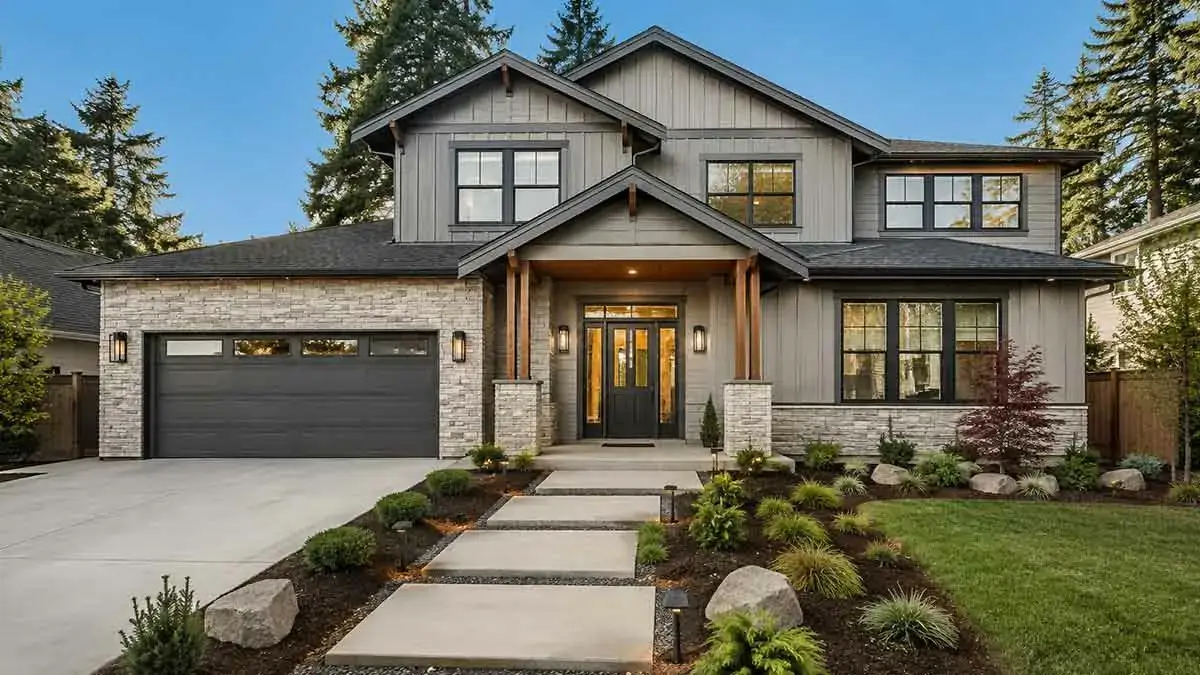
An exterior home remodel can improve the appearance, functionality, durability, and overall value of a home. Exterior remodeling can range from relatively simple projects such as repainting and replacing exterior lighting to larger renovations involving siding, roofing, windows, doors, porches, decks, landscaping, or structural changes.
Because the exterior protects the home from weather and other environmental conditions, remodeling should involve more than cosmetic improvements. Materials, drainage, moisture control, insulation, ventilation, structural conditions, and local building requirements can all affect the success of an exterior renovation.
A successful exterior remodel should balance appearance with performance. The goal is to create an exterior that looks attractive while also protecting the building envelope and supporting the way the home is used.
This complete guide explains exterior home remodeling ideas, common projects, planning considerations, costs, materials, maintenance, and practical ways to improve a home’s exterior.
Table of Contents
What Is an Exterior Home Remodel?
An exterior home remodel involves improving, replacing, or modifying elements on the outside of a home.
Common exterior remodeling projects include:
- Siding replacement
- Exterior painting
- Window replacement
- Door replacement
- Roofing improvements
- Porch remodeling
- Deck construction or renovation
- Garage door replacement
- Exterior lighting
- Gutters and downspouts
- Landscaping
- Walkways and patios
- Fencing
- Architectural trim
The scope can be as small as updating the front entry or as extensive as redesigning most of the home’s exterior.
Why Remodel Your Home Exterior?
Homeowners remodel exteriors for several reasons.
Improve Curb Appeal
Exterior improvements can make a home look cleaner, more modern, and better maintained.
Protect the Home
Replacing damaged siding, roofing, flashing, windows, or drainage components can help protect the structure from weather and moisture.
Improve Energy Performance
Certain exterior improvements can reduce unwanted heat transfer and air leakage when properly designed and installed.
Improve Functionality
A remodel can make outdoor areas easier to use by adding:
- Porches
- Decks
- Patios
- Lighting
- Walkways
- Outdoor seating areas
Update an Older Home
Exterior remodeling can modernize outdated finishes while preserving the architectural character of the property.
Exterior Home Remodel vs Exterior Renovation
The terms remodeling and renovation are sometimes used interchangeably, but they can describe different scopes of work.
A renovation generally focuses on repairing, restoring, or updating existing components.
A remodel may involve changing the design, configuration, or function of the exterior.
For example, repainting siding is primarily an update, while adding a porch or changing the front entry can involve a more substantial remodel.
How to Plan an Exterior Home Remodel
Before choosing colors or materials, inspect the existing exterior.
Look for:
- Roof damage
- Siding deterioration
- Cracked masonry
- Rot
- Peeling paint
- Failed caulking
- Water stains
- Poor drainage
- Damaged gutters
- Drafty or damaged windows
- Structural problems
Addressing underlying problems before cosmetic improvements can prevent you from spending money on finishes that may later need to be removed.
Exterior Home Remodel Checklist
Start by evaluating:
- Building condition
- Roof
- Siding
- Windows
- Doors
- Gutters
- Drainage
- Exterior lighting
- Porches and decks
- Landscaping
- Walkways
- Driveway
- Energy performance
- Moisture management
- Structural conditions
- Local requirements
- Budget
Exterior Design and Curb Appeal
Curb appeal is influenced by the relationship between the major exterior elements.
Pay attention to:
- Exterior colors
- Roof color
- Siding
- Trim
- Front door
- Garage door
- Windows
- Lighting
- Landscaping
- Walkways
A successful exterior design usually uses a coordinated palette rather than many unrelated finishes.
Exterior Paint and Color
Painting can be one of the most effective ways to update an exterior.
Common exterior color strategies include:
Monochromatic
Different shades of a similar color create a cohesive appearance.
Neutral Exterior
Colors such as white, beige, gray, or muted earth tones can provide a timeless appearance.
Contrasting Trim
A contrasting trim color can emphasize windows, doors, rooflines, and architectural details.
Accent Front Door
A stronger color on the front door can create a focal point without changing the entire exterior.
Exterior paint should be selected based on the substrate, climate, sun exposure, and manufacturer’s recommendations.
Siding Replacement
Siding protects the exterior walls while contributing significantly to the home’s appearance.
Common siding materials include:
- Vinyl
- Fiber cement
- Wood
- Engineered wood
- Metal
- Composite materials
- Brick
- Stone veneer
When replacing siding, investigate the condition of the underlying wall assembly and address moisture or structural problems before installing new material.
Brick Exterior Updates
Brick can provide durability and architectural character.
If an existing brick exterior looks dated, options may include:
- Cleaning
- Repointing damaged mortar
- Painting where appropriate
- Limewashing where appropriate
- Adding compatible trim
- Updating lighting and landscaping
Avoid covering sound brick simply for cosmetic reasons without considering long-term maintenance and moisture implications.
Stucco Exterior Updates
Stucco can create a clean and durable exterior when properly installed and maintained.
Inspect for:
- Cracks
- Staining
- Moisture intrusion
- Loose areas
- Failed sealants
Repairs should address the cause of damage rather than simply covering visible cracks.
Stone and Stone Veneer
Stone and manufactured stone veneer can add texture and visual weight to an exterior.
They can be used around:
- Entryways
- Porches
- Garages
- Chimneys
- Lower wall sections
The material should be installed according to the manufacturer’s requirements and appropriate water-management practices.
Exterior Trim and Architectural Details
Small architectural details can significantly change the appearance of a home.
Consider updating:
- Window trim
- Door trim
- Cornices
- Shutters
- Columns
- Railings
- House numbers
- Decorative brackets
The details should complement the home’s architectural style rather than simply adding more decoration.
Front Door Replacement
The front door is one of the most visible elements of the exterior.
When selecting a new door, consider:
- Material
- Security
- Energy performance
- Weather resistance
- Glass area
- Hardware
- Architectural style
A new door can improve both appearance and everyday functionality.
Garage Door Replacement
Garage doors can occupy a large portion of the front elevation.
Updating the garage door can therefore have a noticeable effect on curb appeal.
Consider:
- Insulation
- Material
- Window design
- Hardware
- Color
- Opener compatibility
- Weather sealing
Window Replacement
New windows can improve appearance, comfort, energy performance, and weather resistance.
Before replacing windows, evaluate whether the existing units need full replacement or could benefit from repair and improved sealing.
Consider:
- Frame material
- Glazing
- Energy performance
- Installation method
- Weather exposure
- Architectural compatibility
Exterior Shutters
Shutters can add architectural character when they are correctly proportioned and appropriate for the home.
Avoid using shutters simply because they are common in exterior design. Their size, placement, and style should relate to the windows and overall architecture.
Porch Remodeling
A porch can improve both curb appeal and outdoor usability.
Potential improvements include:
- New flooring
- Railings
- Columns
- Lighting
- Ceiling finishes
- Seating
- Weather protection
Structural porch modifications should be evaluated carefully before construction.
Front Porch Ideas
A front porch can become a welcoming transition between indoor and outdoor spaces.
Consider:
- Comfortable seating
- Exterior lighting
- Planters
- A durable floor finish
- Ceiling fans where appropriate
- Weather-resistant furniture
Keep the entrance clear and ensure that railings, steps, and walking surfaces remain safe.
Deck Remodeling
Decks require regular inspection because they are exposed to weather.
A deck remodel may involve:
- Replacing damaged boards
- Refinishing surfaces
- Updating railings
- Improving stairs
- Replacing lighting
- Reconfiguring the layout
Inspect structural components, fasteners, connections, and supports rather than focusing only on visible decking.
Patio Improvements
A patio can extend the usable living area outdoors.
Possible improvements include:
- New paving
- Seating
- Shade structures
- Outdoor lighting
- Planters
- Fire features where permitted
- Outdoor kitchens
- Drainage improvements
The design should account for water runoff and the relationship between the patio and the home.
Outdoor Living Spaces
An exterior remodel can create a more functional outdoor living area.
Consider dividing the space into zones for:
- Dining
- Cooking
- Relaxing
- Entertaining
- Gardening
Furniture, lighting, landscaping, and changes in paving can define these zones without requiring permanent walls.
Exterior Lighting
Exterior lighting improves both appearance and nighttime usability.
Common options include:
- Entry lights
- Wall sconces
- Path lighting
- Landscape lighting
- Step lighting
- Garage lighting
- Motion-activated lighting
Lighting should provide useful illumination without producing excessive glare or unnecessarily illuminating neighboring properties.
Driveway Improvements
A driveway contributes significantly to the home’s first impression.
Possible improvements include:
- Repairing cracks
- Resurfacing
- Replacing damaged paving
- Improving drainage
- Adding edging
- Improving lighting
The selected material should suit the climate, expected traffic, maintenance requirements, and property layout.
Walkways and Steps
Walkways should be attractive but also safe and practical.
Check for:
- Uneven surfaces
- Cracks
- Poor drainage
- Inadequate lighting
- Damaged steps
- Loose railings
A walkway should provide a clear and comfortable route to the main entrance.
Landscaping
Landscaping can complement an exterior remodel.
Useful improvements include:
- Foundation planting
- Trees
- Shrubs
- Flower beds
- Mulch
- Hardscaping
- Pathways
- Privacy planting
Plant selection should account for local climate, mature size, water requirements, and proximity to the building.
Fencing and Gates
Fences can improve privacy, security, and property definition.
Materials may include:
- Wood
- Metal
- Vinyl
- Composite
- Masonry
Check local requirements and property boundaries before installing or replacing a fence.
Roof Replacement and Improvements
The roof is one of the most important components of the building exterior.
A remodel may involve:
- Replacing roofing materials
- Repairing damaged areas
- Improving flashing
- Updating ventilation
- Replacing damaged gutters
- Improving roof drainage
Do not treat roofing as purely cosmetic. Roof condition directly affects the building’s protection from water.
Gutters and Downspouts
Effective drainage helps direct rainwater away from the building.
Inspect gutters and downspouts for:
- Blockages
- Leaks
- Sagging
- Loose connections
- Poor slope
- Inadequate discharge locations
Downspouts should discharge water in a way that does not create persistent problems near the foundation.
Exterior Drainage
Water management should be considered throughout an exterior remodel.
Potential problem areas include:
- Roof runoff
- Foundation drainage
- Sloped walkways
- Patios
- Driveways
- Landscaping
Correcting drainage problems early can prevent more expensive moisture-related damage later.
Exterior Insulation
Exterior remodeling can provide opportunities to improve thermal performance.
Depending on the construction system, improvements may involve:
- Continuous exterior insulation
- Wall insulation
- Air sealing
- Improved windows
- Better doors
- Insulated siding systems
The appropriate strategy depends on the existing wall assembly, climate, moisture conditions, and applicable building requirements.
Weatherproofing the Exterior
A home’s exterior should manage rain, wind, moisture, and temperature changes.
Important components include:
- Flashing
- Sealants
- Weather-resistant barriers
- Proper siding installation
- Roof drainage
- Window and door detailing
Exterior finishes should not be installed over unresolved moisture problems.
Exterior Home Remodel for Energy Efficiency
Energy performance can be improved through several exterior-related upgrades.
Potential improvements include:
- Air sealing
- Insulation
- Energy-efficient windows
- Improved exterior doors
- Better weatherstripping
- Roof improvements
- Shading
- Properly designed landscaping
Prioritize improvements based on the actual weaknesses of the building rather than assuming that every replacement will provide the same benefit.
Exterior Home Remodel for Older Homes
Older homes may require additional investigation before remodeling.
Check for:
- Structural deterioration
- Water damage
- Outdated electrical systems
- Old windows
- Damaged masonry
- Previous repairs
- Incompatible materials
When possible, preserve distinctive architectural features while upgrading performance and durability.
Exterior Home Remodel for Small Homes
Small homes can benefit from simple exterior changes that improve proportion and visual balance.
Consider:
- A stronger front entry
- Simple siding colors
- Well-proportioned trim
- Appropriate landscaping
- Exterior lighting
- A small porch
- Improved pathways
Avoid excessive architectural details that make the exterior appear crowded.
Exterior Home Remodel for Large Homes
Large homes require careful coordination because multiple exterior elements are visible at once.
Consider creating a consistent relationship between:
- Roof
- Siding
- Windows
- Garage
- Entry
- Porches
- Landscaping
Large exterior projects should be designed as a complete composition rather than a collection of unrelated upgrades.
Exterior Home Remodel on a Budget
You can improve a home’s exterior without replacing everything.
Budget-friendly projects include:
- Exterior cleaning
- Repainting
- New house numbers
- Updated lighting
- Front door hardware
- Improved landscaping
- Refinished porch surfaces
- New mailbox
- Minor trim repairs
- Pressure washing where appropriate
Prioritize repairs and maintenance before purely decorative upgrades.
Mid-Range Exterior Remodeling Ideas
A moderate budget may allow for projects such as:
- New siding
- Door replacement
- Selected window replacement
- Porch improvements
- Deck renovation
- Garage door replacement
- New exterior lighting
- Driveway improvements
- Landscaping upgrades
Choose projects that address both appearance and performance where possible.
High-End Exterior Remodeling Ideas
Larger exterior renovations may include:
- Major siding replacement
- New windows throughout the home
- Custom porches
- Large outdoor living spaces
- Architectural additions
- Premium roofing
- Custom entry systems
- Extensive hardscaping
- Integrated exterior lighting
- Comprehensive landscape design
Large projects should be planned as a coordinated renovation rather than completed independently without an overall design strategy.
Exterior Remodeling Costs
Exterior remodeling costs vary substantially between homes and projects.
The total cost can depend on:
- Project size
- Home size
- Materials
- Labor
- Structural modifications
- Accessibility
- Existing damage
- Permits
- Site conditions
- Geographic location
- Customization
A cosmetic update may cost much less than a full exterior renovation involving siding, windows, roofing, porches, and structural changes.
Obtain detailed estimates that identify labor, materials, preparation, disposal, permits, and finishing work.
What Affects Exterior Remodeling Costs?
Several factors can change the final budget.
Material Selection
Premium materials generally cost more initially, although durability and maintenance should also be considered.
Existing Condition
Hidden damage can increase costs after demolition begins.
Structural Work
Changes involving walls, porches, roofs, or other structural components can significantly increase the project scope.
Labor
Specialized installation can cost more than straightforward work.
Site Access
Difficult access can increase labor and equipment requirements.
Permits and Inspections
Some projects require permits and inspections depending on local regulations.
How to Set an Exterior Remodeling Budget
Start by dividing the project into priorities.
Priority 1: Protect the Home
Address:
- Roof leaks
- Water intrusion
- Structural deterioration
- Dangerous steps or railings
- Drainage problems
Priority 2: Improve Performance
Consider:
- Insulation
- Air sealing
- Windows
- Doors
- Weatherproofing
Priority 3: Improve Appearance
Then consider:
- Paint
- Siding
- Trim
- Lighting
- Landscaping
- Decorative features
This approach helps prevent cosmetic improvements from taking priority over important building repairs.
DIY Exterior Remodeling Projects
Some exterior projects may be suitable for experienced homeowners.
Examples include:
- Painting
- Basic landscaping
- Installing house numbers
- Replacing certain decorative hardware
- Some simple lighting upgrades
- Minor maintenance tasks
However, homeowners should understand the risks of working at height and should follow appropriate safety practices.
Structural, roofing, electrical, and complex moisture-management work may require qualified professionals.
When to Hire a Professional
Professional assistance is recommended or may be required for:
- Structural modifications
- Roof replacement
- Major siding work
- Complex window installation
- Electrical work
- Major porch construction
- Deck structural repairs
- Masonry repairs
- Drainage systems
- Large exterior additions
A structural engineer may be appropriate when the project affects load-bearing elements or structural stability.
Permits and Building Requirements
Exterior remodeling may be subject to local building, zoning, electrical, structural, or planning requirements.
Depending on the project, approvals may be required for:
- Structural changes
- Additions
- Porches
- Decks
- Significant window modifications
- Electrical work
- Fences
- Driveways
- Exterior alterations
Requirements vary by jurisdiction, so verify applicable regulations before beginning construction.
Common Exterior Remodeling Mistakes
Starting With Cosmetic Changes
Do not cover structural or moisture problems with new finishes.
Choosing Materials Only by Appearance
Exterior materials must also withstand the local climate and maintenance conditions.
Ignoring Drainage
Poor water management can cause expensive damage.
Mixing Too Many Materials
Too many exterior finishes can create a visually disorganized appearance.
Ignoring Architectural Style
Modern additions can look out of place when they do not relate to the original structure.
Underestimating Hidden Damage
Older siding, roofs, decks, and porches may conceal deterioration.
Forgetting Maintenance
Every material has different cleaning, painting, sealing, or replacement requirements.
Poor Exterior Lighting
Too much lighting can create glare, while too little can make entrances and pathways difficult to use.
Ignoring Proportions
Windows, doors, trim, porches, and architectural details should be appropriately scaled to the home.
Remodeling Without a Complete Plan
Changing one exterior element at a time without considering the whole facade can produce inconsistent results.
How to Choose Exterior Remodeling Materials
Choose materials based on more than appearance.
Consider:
- Climate
- Moisture exposure
- Sun exposure
- Durability
- Maintenance
- Installation requirements
- Fire performance where relevant
- Energy performance
- Compatibility with existing materials
- Budget
- Expected service life
A material that performs well in one climate or building type may not be the best choice in another.
How to Plan an Exterior Remodel Step by Step
Step 1: Inspect the Existing Exterior
Document visible damage and maintenance issues.
Step 2: Identify the Main Goals
Decide whether the priority is appearance, protection, energy performance, outdoor living, or a combination.
Step 3: Establish a Budget
Create a realistic budget that includes labor, materials, permits, preparation, and potential contingencies.
Step 4: Prioritize Repairs
Address structural, moisture, roofing, and drainage problems first.
Step 5: Develop an Exterior Design
Coordinate colors, materials, windows, doors, lighting, landscaping, and architectural details.
Step 6: Select Materials
Compare durability, maintenance, appearance, installation requirements, and cost.
Step 7: Check Requirements
Confirm whether permits, inspections, zoning approvals, or other requirements apply.
Step 8: Obtain Professional Estimates
For larger projects, compare detailed estimates that clearly define the scope of work.
Step 9: Plan the Construction Sequence
Coordinate work so that one project does not unnecessarily damage another finished component.
Step 10: Inspect the Completed Work
Check drainage, flashing, joints, finishes, doors, windows, lighting, and other components before considering the project complete.
Exterior Home Remodel Checklist
Before starting an exterior remodel, review:
- ☐ Overall building condition
- ☐ Roof condition
- ☐ Siding
- ☐ Windows
- ☐ Exterior doors
- ☐ Garage door
- ☐ Trim
- ☐ Gutters
- ☐ Downspouts
- ☐ Drainage
- ☐ Exterior lighting
- ☐ Porch or deck
- ☐ Patio
- ☐ Walkways
- ☐ Driveway
- ☐ Landscaping
- ☐ Fencing
- ☐ Insulation
- ☐ Weatherproofing
- ☐ Structural conditions
- ☐ Material compatibility
- ☐ Maintenance requirements
- ☐ Permits
- ☐ Budget
- ☐ Professional requirements
Final Thoughts
An exterior home remodel can transform the appearance of a property while improving durability, comfort, energy performance, and outdoor functionality. The most successful projects treat the exterior as a complete system rather than focusing only on cosmetic changes.
Start by inspecting the home’s condition and addressing structural, roofing, drainage, and moisture problems. Then prioritize improvements such as siding, windows, doors, lighting, porches, decks, landscaping, and exterior finishes according to your goals and budget.
Material selection is equally important. Consider climate, durability, maintenance, moisture exposure, installation requirements, and compatibility with the existing home before choosing a product.
Whether you are making a few affordable updates or planning a complete exterior renovation, careful planning can help you create a home exterior that looks better, performs better, and remains practical to maintain for years to come.