
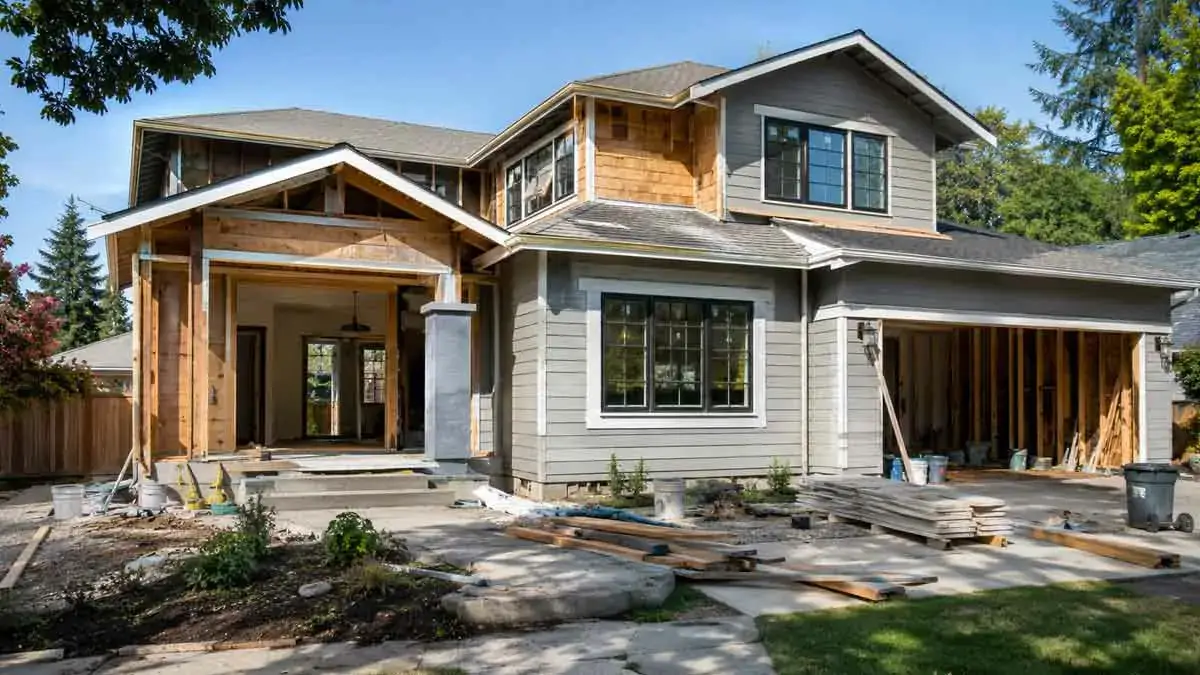
Planning a home renovation starts with one important question: How much will it cost?
The answer depends on far more than the size of your home. Your renovation budget can change significantly based on the number of rooms, the condition of the property, labor costs, materials, permits, structural changes, and the quality of the finishes you choose.
For many homeowners in the United States, a whole-home renovation can cost roughly $19,000 to $88,000 for a typical project, while major renovations can reach well over $100,000. Current 2026 estimates put the average whole-home renovation or remodeling project at around $52,000, although the actual cost can be much lower or considerably higher depending on the scope of work.
This guide explains the major factors that determine home renovation cost, typical prices by project, renovation costs per square foot, labor and material expenses, hidden costs, and practical ways to keep your project within budget.
How Much Does a Home Renovation Cost?
The cost of renovating a house varies widely because no two renovation projects are identical.
As a general planning range, homeowners can expect:
- Small renovation: $3,000–$20,000
- Moderate renovation: $20,000–$50,000
- Large renovation: $50,000–$100,000+
- Major whole-house renovation: $100,000–$200,000+
- Luxury or extensive structural renovation: $200,000+
For standard whole-home renovation projects, current estimates commonly fall between about $15 and $60 per square foot. High-end renovations using premium materials or involving extensive structural work can reach $150 or more per square foot.
These figures should be treated as planning estimates rather than fixed prices. Local labor rates, material availability, contractor pricing, and the condition of the home can have a major effect on the final bill.
Home Renovation Cost by Square Foot
Calculating renovation costs per square foot is one of the easiest ways to create an initial budget.
For example, using a broad range of $15 to $60 per square foot:
| Home Size | Approximate Renovation Cost |
|---|---|
| 1,000 sq. ft. | $15,000–$60,000 |
| 1,250 sq. ft. | $18,750–$75,000 |
| 1,500 sq. ft. | $22,500–$90,000 |
| 1,600 sq. ft. | $24,000–$96,000 |
| 2,000 sq. ft. | $30,000–$120,000 |
| 2,500 sq. ft. | $37,500–$150,000 |
| 3,000 sq. ft. | $45,000–$180,000 |
These ranges are useful for initial planning, but they should not be interpreted as a contractor quote.
A 2,000-square-foot home requiring only cosmetic updates could cost substantially less than a 1,200-square-foot home requiring new plumbing, electrical work, structural repairs, and a complete kitchen renovation.
Home Renovation Cost by Project
The rooms and systems you renovate have a major impact on your total budget.
Some areas of the home are naturally more expensive because they involve plumbing, electrical systems, cabinetry, appliances, or structural work.
Kitchen Renovation Cost
The kitchen is usually one of the most expensive rooms to renovate.
A typical kitchen renovation can range from approximately $14,500 to more than $40,000, depending on the layout, cabinetry, countertops, appliances, flooring, lighting, and labor.
A smaller kitchen update may involve:
- Painting cabinets
- Replacing cabinet hardware
- Installing a new backsplash
- Replacing countertops
- Updating lighting
- Installing new flooring
A major kitchen renovation may include new cabinets, appliances, plumbing, electrical work, flooring, lighting, and changes to the room’s layout.
Because kitchens involve several expensive components, changing the layout can quickly increase the budget.
Bathroom Renovation Cost
Bathroom renovations typically cost more per square foot than many other rooms because they involve plumbing, waterproofing, fixtures, tile, electrical work, and specialized installation.
Current estimates put many bathroom remodeling projects in the $6,500 to $28,000 range, although simple updates can cost less and high-end renovations can cost considerably more.
Costs increase when you:
- Move plumbing fixtures
- Replace the bathtub with a large shower
- Install custom cabinetry
- Use premium tile
- Add heated flooring
- Upgrade electrical systems
- Expand the bathroom
If the existing layout works well, keeping plumbing in its current location can be one of the easiest ways to control costs.
Living Room Renovation Cost
Living rooms are generally less expensive to renovate than kitchens and bathrooms because they usually require less plumbing.
A basic living room renovation may include painting, flooring, lighting, trim, and built-in storage.
Current estimates place many living room remodels around $2,500 to $15,000, with larger or high-end projects costing more.
A living room renovation can become significantly more expensive when it involves removing walls, changing the floor plan, replacing windows, upgrading electrical wiring, or installing custom built-ins.
Bedroom Renovation Cost
Bedroom renovations can range from relatively inexpensive cosmetic improvements to major conversions.
Common projects include:
- Painting
- Flooring replacement
- Closet upgrades
- Built-in storage
- Lighting improvements
- Window replacement
- Electrical upgrades
A simple bedroom refresh may cost only a few thousand dollars, while a major renovation involving structural changes, custom storage, or new HVAC and electrical systems can cost much more.
Basement Renovation Cost
Basement renovations often require additional work because the space may need insulation, waterproofing, electrical upgrades, HVAC modifications, flooring, and sometimes plumbing.
Typical basement renovation projects can range from approximately $12,000 to $35,000, depending on the size and complexity of the project.
Finishing an unfinished basement generally costs more than simply updating an already finished basement.
Attic Renovation Cost
An attic renovation can involve insulation, flooring, electrical work, lighting, HVAC, windows, and structural modifications.
Attic renovation costs vary significantly depending on the size of the space, its existing condition, insulation, electrical requirements, HVAC needs, and whether structural modifications are necessary.
If you are converting an attic into a bedroom or living space, check local building requirements before beginning construction. Ceiling height, emergency exits, insulation, electrical systems, and structural requirements can all affect the cost.
If you are converting an attic into a bedroom or living space, check local building requirements before beginning construction. Ceiling height, emergency exits, insulation, electrical systems, and structural requirements can all affect the cost.
Exterior Renovation Cost
Exterior renovation can include siding, windows, doors, roofing, painting, landscaping, and other improvements.
Exterior projects can also improve energy efficiency. For example, replacing inefficient windows can improve comfort while potentially reducing heating and cooling demand. Homeowners planning this type of work can also review our guide to energy-efficient windows.
What Factors Affect Home Renovation Cost?
The final price of a renovation depends on several interconnected factors.
1. Size of the Home
Larger homes generally require more materials, labor, flooring, paint, electrical work, and other components.
However, size alone does not determine the cost. A smaller home with extensive structural or plumbing work can cost more than a larger home receiving cosmetic updates.
2. Scope of the Renovation
The scope of work is one of the biggest cost drivers.
Painting walls and replacing flooring is very different from removing walls, relocating plumbing, upgrading electrical systems, and rebuilding rooms.
Before requesting quotes, define exactly what you want to accomplish.
3. Condition of the Existing Home
Older homes can contain hidden problems that are not immediately visible.
Potential issues include:
- Outdated electrical wiring
- Aging plumbing
- Water damage
- Mold
- Foundation problems
- Roof damage
- Poor insulation
- Structural problems
- Outdated HVAC equipment
These issues can increase the renovation budget considerably.
4. Material Quality
Materials can create a large difference in the final cost.
For many renovation categories, homeowners can choose between budget, mid-range, and premium materials.
For example, flooring may be available in several price levels, while cabinets can range from basic stock units to custom-built cabinetry.
Choosing mid-range materials can often provide a balance between appearance, durability, and cost.
5. Labor Costs
Labor is a major part of most renovation budgets.
Specialized work such as electrical, plumbing, HVAC, structural construction, tile installation, and custom carpentry can require experienced professionals.
Labor rates also vary considerably by geographic location. Metropolitan areas generally have higher labor costs than lower-cost markets.
6. Permits
Some renovations require building permits and inspections.
Permits may be necessary for structural changes, electrical work, plumbing modifications, additions, or other projects depending on local regulations.
Permit costs vary by location and project type, so check with your local building department before construction begins.
7. Layout Changes
Keeping the existing layout is usually less expensive than moving walls, plumbing, electrical connections, or major fixtures.
For example, keeping a kitchen sink in its existing location can reduce plumbing work compared with moving it across the room.
The same principle applies to bathrooms, laundry rooms, and other spaces containing water or electrical connections.
What Is Included in a Home Renovation Budget?
A complete home renovation budget can include much more than materials and labor. Depending on the project, homeowners may also need to account for demolition, permits, inspections, design services, waste disposal, and specialized contractors.
Labor
Labor may include:
- General contractor
- Carpenters
- Electricians
- Plumbers
- HVAC technicians
- Painters
- Flooring installers
- Tile installers
- Drywall contractors
- Roofers
Materials
Materials can include:
- Flooring
- Cabinets
- Countertops
- Tile
- Paint
- Drywall
- Lumber
- Doors
- Windows
- Insulation
- Fixtures
- Hardware
Permits and Inspections
Some renovation projects require permits or inspections. Requirements vary by location and project type.
Potentially regulated work can include:
- Structural modifications
- Electrical changes
- Plumbing
- HVAC
- Additions
- Major exterior modifications
Always verify local requirements before construction begins.
Demolition and Disposal
Removing existing materials can add to the renovation budget. Demolition may include cabinets, flooring, walls, fixtures, appliances, and drywall.
Dumpster rental, hauling, and disposal fees should also be considered when estimating the total project cost.
Design and Professional Services
Some renovations require additional professionals, such as architects, interior designers, structural engineers, surveyors, or other specialists.
These costs should be included before finalizing the renovation budget.
Labor vs. Materials in a Renovation Budget
A renovation budget generally consists of two major categories: materials and labor.
Materials include:
- Flooring
- Cabinets
- Countertops
- Paint
- Tile
- Doors
- Windows
- Plumbing fixtures
- Electrical fixtures
- Appliances
- Insulation
Labor includes:
- Demolition
- Installation
- Carpentry
- Plumbing
- Electrical work
- Painting
- Flooring installation
- Tile installation
- HVAC work
- Cleanup
The exact percentage varies by project. Labor tends to represent a significant portion of the total cost, particularly when the renovation involves skilled trades or complicated structural work.
Hidden Home Renovation Costs to Budget For
One of the biggest mistakes homeowners make is budgeting only for the visible improvements.
Unexpected costs can appear after demolition begins.
Common examples include:
Structural Repairs
Hidden damage to walls, floors, foundations, roofs, or framing may not become apparent until existing materials are removed.
Water Damage
Leaks behind walls or beneath flooring can require repairs before the renovation can continue.
Electrical Upgrades
Older homes may require updated wiring, electrical panels, outlets, or other improvements.
Plumbing Repairs
Old pipes, damaged connections, or inadequate plumbing can increase the cost of kitchen and bathroom renovations.
Temporary Living Expenses
If major work makes part of your home unusable, you may need to budget for hotels, temporary accommodation, restaurant meals, storage, or other expenses.
Waste Disposal
Demolition creates a large amount of debris. Dumpster rental, hauling, and disposal fees should be included in the budget.
How Much Should You Set Aside for Unexpected Costs?
A practical renovation budget should include a contingency fund.
For many projects, setting aside 10% to 20% of the planned renovation budget provides a useful cushion for unexpected expenses.
For example, if your planned renovation costs $50,000:
- 10% contingency = $5,000
- 15% contingency = $7,500
- 20% contingency = $10,000
That means a safer working budget could be approximately $55,000 to $60,000 rather than spending the entire $50,000 before construction begins.
Older homes and projects involving structural work may justify a larger contingency.
How to Reduce Home Renovation Costs
Renovating on a budget does not necessarily mean choosing the cheapest materials.
The goal is to spend money where it has the greatest impact.
Keep the Existing Layout
Avoid moving plumbing, walls, electrical connections, and major fixtures unless the change provides a meaningful benefit.
Prioritize High-Impact Improvements
Focus your budget on improvements that affect functionality, safety, comfort, and long-term durability.
For example, repairing damaged structures or improving insulation may be more valuable than upgrading decorative finishes.
Improving insulation can also help reduce heating and cooling demands. Our home insulation guide explains the major areas homeowners should consider.
Choose Mid-Range Materials
Premium materials can dramatically increase the renovation budget.
Mid-range products often provide a strong balance between durability, appearance, and price.
Reuse What Still Works
Not everything needs to be replaced.
You may be able to keep:
- Existing cabinets
- Interior doors
- Light fixtures
- Appliances
- Trim
- Hardware
- Flooring in good condition
Reusing functional components can free money for higher-priority improvements.
How to Compare Home Renovation Estimates
When reviewing contractor proposals, compare the actual scope of work rather than focusing only on the final price.
Check whether each estimate clearly includes:
- Labor
- Materials
- Permits
- Demolition
- Waste disposal
- Subcontractors
- Project timeline
- Payment schedule
- Warranty
- Exclusions
A detailed estimate makes it easier to identify differences between contractors and avoid unexpected costs later.
The lowest estimate is not necessarily the best value. A significantly cheaper proposal may exclude important work or use different materials, so make sure you are comparing similar scopes before making a decision.
Compare Contractor Quotes
Do not automatically select the cheapest quote.
Instead, compare:
- Scope of work
- Materials included
- Labor
- Project timeline
- Payment schedule
- Warranty
- Insurance
- Permits
- References
A significantly cheaper quote may exclude important work that appears later as an additional charge.
Plan Before Demolition
Changes made during construction can be expensive.
Finalize the layout, materials, fixtures, and major design decisions before work begins whenever possible.
Should You Renovate the Whole House at Once?
Renovating the entire house at once is not always necessary. The right approach depends on the home’s condition, available budget, project complexity, and your priorities.
A whole-house renovation can make sense when multiple rooms or major systems require work at the same time. Completing related work together can sometimes reduce repeated demolition, deliveries, and contractor mobilization.
A phased renovation may be better when the budget is limited or when only certain areas require immediate attention.
If you renovate in phases, prioritize:
- Safety and structural repairs
- Water, electrical, plumbing, and HVAC problems
- Essential functional improvements
- High-impact rooms and spaces
- Cosmetic upgrades
The key is to create a renovation plan that allows future work to be completed without undoing work that has already been finished.
DIY vs. Hiring a Contractor
Doing some work yourself can reduce labor costs, but not every renovation task is suitable for DIY.
DIY may be appropriate for projects such as:
- Painting
- Basic decorating
- Some demolition
- Installing simple hardware
- Certain landscaping tasks
Professional help is generally more appropriate for:
- Electrical work
- Plumbing
- Structural modifications
- Roofing
- HVAC installation
- Major waterproofing
- Gas-related work
Local building codes may also require licensed professionals for certain types of work.
How to Create a Home Renovation Budget
A simple renovation budget can be divided into five stages.
Step 1: Define the Project
Write down exactly what you want to change.
Avoid starting with a vague goal such as “renovate the house.” Instead, identify the rooms, systems, and improvements involved.
Step 2: Estimate the Major Costs
Estimate costs for:
- Materials
- Labor
- Appliances
- Fixtures
- Permits
- Demolition
- Waste disposal
Step 3: Add a Contingency
Add at least 10% to 20% for unexpected expenses.
Step 4: Prioritize
Separate your plans into:
Must-have: Work required for safety, functionality, or essential repairs.
Should-have: Improvements that significantly improve comfort or usability.
Nice-to-have: Cosmetic upgrades that can be postponed if the budget becomes tight.
Step 5: Get Professional Quotes
Once you have a clear project scope, request detailed quotes from qualified contractors.
The more specific your project description is, the easier it becomes to compare estimates accurately.
Common Home Renovation Budget Mistakes
Avoiding common budgeting mistakes can help prevent unnecessary cost increases during a renovation.
Underestimating the Scope
A vague plan such as “renovate the whole house” is not enough to create an accurate budget. Define the rooms, systems, materials, and improvements involved.
Ignoring Hidden Problems
Existing water damage, outdated wiring, plumbing deterioration, structural problems, or poor insulation may only become visible after demolition.
Choosing Materials Before Setting the Budget
Premium materials and finishes can quickly consume a large portion of the available budget. Establish your overall budget before making major selections.
Forgetting Permits and Disposal
Permit fees, inspections, demolition, dumpster rental, hauling, and waste disposal can add costs that are easy to overlook.
Spending the Entire Budget
Do not allocate every dollar to planned improvements. Keep a contingency reserve for unexpected conditions and necessary changes.
Making Changes During Construction
Late design changes can increase labor, material costs, and project duration. Finalize major decisions before construction whenever possible.
Is Renovating a House Worth the Cost?
A renovation can provide value beyond the immediate improvement in appearance.
A well-planned renovation can:
- Improve functionality
- Increase comfort
- Address safety problems
- Improve energy efficiency
- Modernize outdated rooms
- Extend the useful life of major components
- Potentially increase property value
However, not every renovation produces the same financial return.
Projects that improve essential functionality, maintenance, energy efficiency, or highly used areas of the home can often make more sense than expensive upgrades based purely on personal taste.
How to Estimate Your Total Renovation Budget
A simple formula can help create an initial estimate:
Total Renovation Budget = Base Project Cost + Permits + Additional Expenses + Contingency
For example, suppose you estimate:
- Materials: $20,000
- Labor: $25,000
- Permits and miscellaneous costs: $3,000
- Base project cost: $48,000
- 15% contingency: $7,200
Your target budget would be approximately $55,200.
This is only a planning example. Actual costs should be based on project-specific contractor estimates and local pricing.
Final Thoughts on Home Renovation Cost
Understanding home renovation cost before construction begins can make the entire project easier to manage.
For 2026, a typical whole-home renovation may fall somewhere around the $19,000 to $88,000 range, with an average around $52,000, but these figures are only starting points. A small cosmetic renovation can cost much less, while a major structural renovation can exceed $100,000 or even $200,000.
The most important factors are the scope of work, home size, existing condition, material choices, labor rates, permits, and unexpected repairs.
The best approach is to establish a realistic scope, prioritize essential improvements, compare detailed contractor estimates, and keep a contingency fund available.
A well-planned renovation is not simply about spending less. It is about spending the available budget on the improvements that provide the greatest long-term value, comfort, safety, and functionality for your home.
Frequently Asked Questions
What is the average cost of renovating a house?
Current 2026 estimates put the average whole-home renovation or remodeling project at around $52,000, although typical projects can range from approximately $19,000 to $88,000 or more depending on the scope and location.
How much does it cost to renovate a house per square foot?
A broad planning range is approximately $15 to $60 per square foot for standard renovation work. Premium or luxury projects can reach $150 or more per square foot.
What is the most expensive room to renovate?
Kitchens and bathrooms are generally among the most expensive rooms because they involve plumbing, electrical systems, cabinetry, fixtures, appliances, and specialized labor.
How much should I budget for unexpected renovation costs?
A contingency fund of 10% to 20% of the planned renovation budget is a common starting point. Older homes and projects involving structural work may require more.
Is it cheaper to renovate one room at a time?
Renovating one room at a time can make the project easier to finance and manage. However, completing related work together can sometimes reduce repeated labor, demolition, delivery, and contractor mobilization costs.
Can I renovate a house on a small budget?
Yes. Smaller projects can focus on high-impact improvements such as painting, flooring, lighting, hardware, insulation, and selective fixture upgrades. Keeping the existing layout and reusing functional materials can also help control costs.
Should I hire a contractor for a home renovation?
For projects involving structural changes, electrical systems, plumbing, HVAC, roofing, or major construction, professional contractors are generally the safer choice. For smaller cosmetic projects, homeowners may be able to complete some tasks themselves where local regulations permit.