
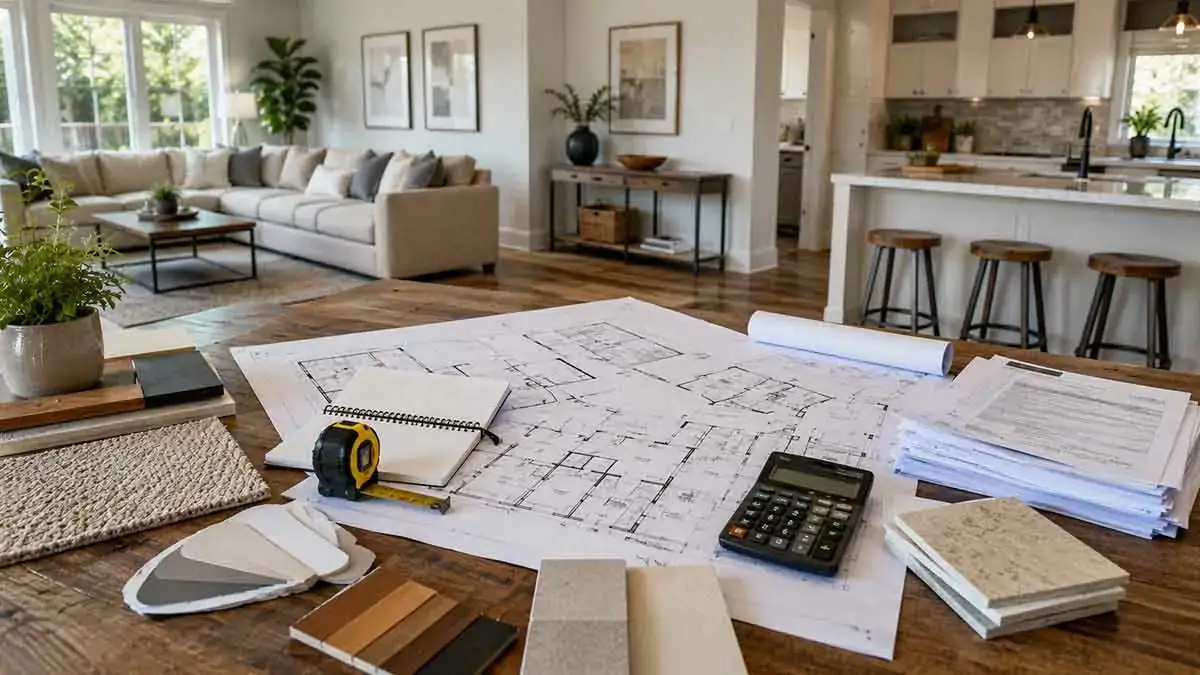
Planning a renovation is exciting, but without a realistic home renovation budget, costs can quickly get out of control. Materials, labor, permits, design changes, unexpected repairs, and temporary living expenses can all affect the final amount you spend.
A good renovation budget does more than establish a spending limit. It helps you decide what to prioritize, where to save, how much to reserve for unexpected costs, and when professional help is worth the expense.
Whether you are remodeling one room or improving several areas of your home, the goal is to create a budget that reflects the actual scope of the project and leaves enough flexibility for unexpected conditions.
This guide explains how to create a home renovation budget, estimate labor and material costs, build a contingency reserve, compare contractor estimates, control spending, and handle budget overruns.
Table of Contents
What Is a Home Renovation Budget?
A home renovation budget is a detailed financial plan covering the expected costs of a remodeling project.
It should include more than the obvious price of materials and contractor labor.
Depending on the project, your budget may need to account for:
- Materials
- Labor
- Appliances
- Fixtures
- Design services
- Architectural or engineering services
- Permits
- Demolition
- Waste disposal
- Equipment rental
- Delivery fees
- Temporary accommodation
- Storage
- Unexpected repairs
- Contingency funds
The purpose of a renovation budget is not to predict the final cost down to the dollar. Instead, it provides a realistic framework for deciding what you can afford and how to respond when costs change.
The more complete your budget is before construction begins, the easier it becomes to manage the project.
How Much Should You Budget for a Home Renovation?
There is no universal renovation budget that applies to every home.
The appropriate amount depends on factors such as:
- Scope of work
- Size of the project
- Condition of the property
- Local labor rates
- Material selections
- Structural requirements
- Permit requirements
- Contractor costs
- Project duration
- Available funds
A small cosmetic renovation may require a relatively modest budget, while a whole-home renovation involving structural work and major system upgrades can require a substantially larger investment.
Instead of starting with an arbitrary number, begin by defining the work you actually want to complete.
Then obtain realistic estimates for that scope and determine whether the project fits comfortably within your available finances.
If it does not, reduce the scope before construction begins rather than eliminating the contingency reserve.
How to Create a Home Renovation Budget
Creating a renovation budget is easier when the process is divided into clear steps.
1. Define Your Renovation Goals
Start by identifying exactly what you want the project to accomplish.
Instead of saying, “I want to renovate my house,” create a specific list.
For example:
- Remodel the kitchen
- Update a bathroom
- Replace damaged flooring
- Improve insulation
- Repaint the interior
- Replace inefficient windows
- Upgrade lighting
- Improve storage
A defined scope prevents the renovation from becoming an open-ended project where additional ideas continually increase the cost.
2. Separate Needs From Wants
Not every improvement should have the same priority.
Divide your plans into three groups:
Needs: Work required for safety, structural integrity, water protection, maintenance, or basic functionality.
Important improvements: Projects that significantly improve comfort, efficiency, or usability.
Wants: Cosmetic, decorative, or luxury upgrades that can be postponed if necessary.
For example, repairing a serious plumbing leak should generally take priority over installing premium decorative fixtures.
This system gives you flexibility if the project begins to exceed the original estimate.
3. Determine Your Maximum Comfortable Budget
Establish how much you can realistically spend without creating unnecessary financial pressure.
Do not automatically treat all of your available savings as renovation money.
Consider:
- Emergency savings
- Household expenses
- Existing debt
- Other planned expenses
- Temporary accommodation
- Storage
- Unexpected household repairs
Your renovation should fit within your broader financial situation.
4. Define the Scope Before Getting Final Quotes
Contractors can provide more useful estimates when they understand exactly what the project includes.
Before requesting detailed proposals, determine as much as possible about:
- Rooms being renovated
- Layout changes
- Materials
- Fixtures
- Appliances
- Finishes
- Required repairs
- Desired timeline
A vague scope makes it difficult to compare estimates accurately.
How to Estimate Renovation Costs
Break the project into individual cost categories rather than relying on one large estimate.
| Budget Category | What to Include |
|---|---|
| Materials | Flooring, cabinets, tile, paint, fixtures |
| Labor | General contractor and specialized trades |
| Permits | Building, electrical, plumbing, or other required permits |
| Design | Architect, designer, or engineer |
| Demolition | Removal of existing materials |
| Disposal | Dumpster, hauling, and waste fees |
| Equipment | Tools and equipment rentals |
| Delivery | Material and appliance delivery |
| Temporary costs | Housing, storage, meals, or transportation |
| Contingency | Unexpected repairs and changes |
This structure makes it easier to identify where the largest expenses are likely to occur.
How to Estimate Labor Costs
Labor can represent a significant portion of a renovation budget.
Depending on the project, you may need several different trades, including:
- General contractor
- Electrician
- Plumber
- HVAC technician
- Carpenter
- Painter
- Flooring installer
- Tile installer
- Roofer
- Architect
- Structural engineer
Whenever possible, ask contractors to provide a detailed breakdown of labor and materials.
This helps you understand the estimate and compare different proposals more accurately.
It also makes it easier to identify which changes are likely to increase the budget.
How Much Should You Set Aside for Unexpected Costs?
A contingency fund is one of the most important parts of a renovation budget.
A common planning range is 10% to 20% of the estimated project cost, although the appropriate amount depends on the age and condition of the property and the complexity of the renovation.
For a planned renovation of $40,000:
- 10% contingency = $4,000
- 15% contingency = $6,000
- 20% contingency = $8,000
The contingency should be treated as a reserve rather than money that must be spent.
When Should You Use a Larger Contingency?
Consider a larger reserve when the project involves:
- An older home
- Structural changes
- Opening walls or ceilings
- Old plumbing
- Outdated electrical systems
- Water damage
- Foundation repairs
- Major kitchen or bathroom work
- Extensive demolition
- Uncertain existing conditions
Hidden problems often become visible only after walls, floors, or ceilings are opened.
Build Your Budget by Project Category
Organizing expenses by category gives you a clearer picture of where your money is going.
Structural Work
Potential costs include:
- Foundation repairs
- Framing
- Wall modifications
- Structural reinforcement
- Roof repairs
Structural problems should generally be addressed before cosmetic improvements.
Major Home Systems
Include:
- Plumbing
- Electrical
- HVAC
- Water heating
- Ventilation
These systems can be expensive to modify after finishes have been installed, so they should be considered early in the renovation plan.
Interior Finishes
Include:
- Flooring
- Paint
- Doors
- Trim
- Cabinets
- Countertops
- Tile
- Hardware
Finish selections can vary widely in price, making them an important area for budget control.
Fixtures and Appliances
Depending on the project, include:
- Sinks
- Toilets
- Faucets
- Lighting
- Appliances
- Bathroom fixtures
- Other installed equipment
Do not forget installation costs when budgeting for these items.
Professional Services
Depending on the project’s complexity, you may need:
- Architect
- Interior designer
- Structural engineer
- General contractor
- Permit-related professionals
Include these costs before determining how much money remains for finishes.
Create a Renovation Budget Spreadsheet
A simple spreadsheet can help you compare planned spending with actual spending.
| Category | Estimated | Actual | Difference |
|---|---|---|---|
| Materials | $ | $ | $ |
| Labor | $ | $ | $ |
| Permits | $ | $ | $ |
| Appliances | $ | $ | $ |
| Fixtures | $ | $ | $ |
| Design | $ | $ | $ |
| Disposal | $ | $ | $ |
| Other | $ | $ | $ |
| Contingency | $ | $ | $ |
Update the spreadsheet whenever you:
- Approve a purchase
- Receive an invoice
- Change a material
- Approve additional work
- Pay a contractor
Tracking actual spending allows you to identify problems before they become major budget overruns.
How to Compare Contractor Estimates
Getting multiple estimates can help you determine whether your planned budget is realistic.
However, do not compare contractors based only on the final number.
Check whether each proposal covers the same scope.
Compare:
- Labor
- Materials
- Product specifications
- Permits
- Demolition
- Disposal
- Project management
- Timeline
- Warranty
- Payment schedule
- Exclusions
A lower estimate may simply contain fewer items.
A detailed written proposal makes it much easier to identify differences between contractors.
How to Prioritize Renovation Expenses
When your budget is limited, prioritize expenses according to their importance.
1. Safety and Structural Problems
Address serious problems involving:
- Structure
- Roofing
- Electrical systems
- Plumbing
- Foundation
- Other safety concerns
2. Water and Moisture Problems
Leaks, drainage problems, and water intrusion can create increasingly expensive damage if they are ignored.
3. Major Mechanical Systems
Evaluate the condition of:
- HVAC
- Plumbing
- Electrical
- Water heating
- Ventilation
4. Energy and Building Performance
Depending on the property, improvements such as insulation, air sealing, and efficient windows may improve comfort and reduce energy waste.
5. Functional Improvements
Prioritize changes that make the home safer, more practical, or more comfortable.
6. Cosmetic Improvements
Paint colors, decorative hardware, premium finishes, and other cosmetic upgrades can be adjusted according to the remaining budget.
This approach protects essential work when unexpected costs arise.
How to Control Your Renovation Budget
A budget is useful only when you actively manage it throughout the project.
Keep the Existing Layout When Possible
Moving walls, plumbing, electrical connections, and major fixtures can increase construction complexity.
If the existing layout works reasonably well, keeping it can reduce labor and material costs.
Choose Major Materials Before Construction
Make important selections early, including:
- Flooring
- Cabinets
- Countertops
- Tile
- Fixtures
- Doors
- Windows
- Appliances
Early decisions make cost estimates more reliable and reduce the risk of rushed purchases.
Avoid Unnecessary Change Orders
A change order occurs when the agreed scope changes after work has been contracted.
Examples include:
- Moving a wall
- Changing a countertop
- Upgrading fixtures
- Adding another room
- Changing flooring after installation has started
Some changes are unavoidable, but many can be prevented through careful planning.
Reuse Functional Components
Not everything needs to be replaced.
Depending on condition, you may be able to keep:
- Interior doors
- Cabinets
- Appliances
- Trim
- Hardware
- Flooring
- Light fixtures
Reusing suitable components allows more of your budget to go toward essential improvements.
Consider Total Installed Cost
Do not evaluate materials based only on their purchase price.
A cheaper product may require:
- More preparation
- Specialized installation
- Additional materials
- More maintenance
Compare the expected installed cost rather than the retail price alone.
How to Budget for DIY Work
DIY can reduce labor expenses for suitable tasks, but it does not eliminate costs.
If you plan to do some work yourself, account for:
- Materials
- Tools
- Equipment rental
- Delivery
- Waste disposal
- Your time
- Mistakes
- Potential professional corrections
DIY may be appropriate for tasks such as painting, basic preparation, certain demolition work, and some finishing tasks.
However, specialized work involving structural systems, electrical, plumbing, gas, or HVAC may require qualified professionals and permits depending on local requirements.
A mistake that requires professional correction can cost more than hiring the right contractor initially.
Budget for Permits and Inspections
Permit and inspection costs should be included before construction begins.
Depending on the project and jurisdiction, permits may be required for:
- Structural changes
- Electrical modifications
- Plumbing work
- HVAC changes
- Additions
- Major alterations
Inspection requirements can also affect the project schedule and cost.
Check with the relevant local building authority or confirm requirements with your contractor before finalizing the budget.
Budget for Temporary Living Expenses
Some renovations make part or all of the home difficult to occupy.
Major kitchen renovations, structural projects, bathroom renovations, and whole-house renovations can sometimes require temporary relocation.
Possible expenses include:
- Hotel or rental housing
- Storage
- Restaurant meals
- Transportation
- Pet boarding
- Laundry
- Moving costs
These expenses should be included in the renovation budget rather than treated as unrelated household costs.
How to Handle Renovation Budget Overruns
Even a carefully prepared budget can change during construction.
If costs begin increasing, take a structured approach.
Review the Cause
Determine whether the increase resulted from:
- Hidden damage
- Material changes
- A change order
- Design changes
- Permit requirements
- An inaccurate initial estimate
- Unexpected site conditions
Separate Essential Costs From Optional Costs
If the additional expense is necessary for safety or proper completion, it may need to remain in the project.
If it is an optional improvement, consider postponing it.
Reduce Lower-Priority Expenses
Possible items to postpone include:
- Decorative lighting
- Premium hardware
- Custom built-ins
- High-end finishes
- Nonessential landscaping
This can help protect essential repairs and keep the project financially manageable.
Home Renovation Budget Example
Suppose you have $60,000 available for a renovation.
Instead of assigning the entire amount to planned construction, reserve part of it for uncertainty.
For example:
| Budget Area | Amount |
|---|---|
| Planned renovation work | $48,000 |
| Contingency reserve | $9,000 |
| Miscellaneous expenses | $3,000 |
| Total available budget | $60,000 |
The percentages are not universal. The important principle is that your planned construction costs should not consume every dollar you can afford to spend.
If the initial renovation estimate already uses your entire available budget, reduce the scope or increase your financial capacity before starting.
How to Decide What to Renovate First
If you cannot complete everything at once, divide the project into logical phases.
A practical approach might be:
Phase 1: Safety, structural, plumbing, electrical, and water-related problems.
Phase 2: Kitchen and bathroom improvements.
Phase 3: Flooring, painting, lighting, and interior improvements.
Phase 4: Exterior and cosmetic improvements.
Plan the phases together when they affect the same systems.
For example, completing new flooring before major electrical or plumbing work can create unnecessary rework.
Should You Finance a Home Renovation?
Some homeowners use financing when their available savings are not sufficient for the desired project.
Potential financing methods can include:
- Home equity loans
- HELOCs
- Cash-out refinancing
- Renovation loans
- Personal loans
Each option has different interest rates, fees, repayment terms, and risks.
Do not set your renovation budget solely according to how much you can borrow.
Instead, determine the project’s actual scope and evaluate whether the resulting monthly payment and total borrowing cost fit comfortably within your finances.
If financing is necessary, compare the total cost of borrowing, not just the monthly payment.
Common Home Renovation Budget Mistakes
Spending the Entire Budget on the Initial Estimate
If you have $50,000 available and the initial estimate is $50,000, the project does not necessarily fit your finances.
You still need a contingency reserve.
Forgetting Labor
Material prices are often easier to research than labor, but installation and skilled trades can represent a substantial portion of total costs.
Ignoring Permits
Required permits and inspections can affect both cost and schedule.
Choosing Materials Too Late
Late decisions can result in rushed purchases, substitutions, and additional labor.
Changing the Design During Construction
Changes after work begins can increase labor, material costs, and project duration.
Choosing a Contractor Based Only on Price
The lowest initial estimate is not necessarily the lowest overall project cost.
Failing to Track Actual Spending
A budget that is never updated can quickly become inaccurate.
Ignoring Temporary Living Costs
If the property becomes difficult or impossible to occupy, accommodation and related expenses can add significantly to the total cost.
Home Renovation Budget Checklist
Before construction begins, confirm that your budget accounts for:
- Project scope
- Materials
- Labor
- Contractor fees
- Permits
- Inspections
- Design services
- Demolition
- Waste disposal
- Equipment rental
- Appliances
- Fixtures
- Delivery
- Temporary accommodation
- Storage
- Contingency
- Financing costs, if applicable
You should also have a clear written contract, defined scope of work, payment schedule, and process for approving changes before major work begins.
Final Thoughts
A successful renovation starts with a realistic home renovation budget, not simply a list of materials and finishes.
The best approach is to define the scope, separate needs from wants, estimate labor and material costs, account for permits and additional expenses, compare detailed contractor proposals, and maintain a contingency reserve.
A 10% to 20% contingency is a useful planning range for many renovation projects, while older homes and projects involving substantial demolition or structural work may justify a larger reserve.
Most importantly, do not treat your maximum available savings as your renovation spending target.
A strong budget leaves room for uncertainty.
When you prioritize essential work, make major decisions early, track actual spending, compare contractor proposals carefully, and avoid unnecessary changes during construction, you can make better financial decisions and reduce the risk of major renovation budget overruns.
Frequently Asked Questions
What is the best way to create a home renovation budget?
Start by defining the exact scope of work, estimating labor and material costs, adding permits and other project expenses, and setting aside a contingency reserve for unexpected conditions.
How much should I keep in reserve for a renovation?
A 10% to 20% contingency is a common planning range. A larger reserve may be appropriate for older properties, extensive demolition, structural work, or projects with uncertain existing conditions.
Should I budget for labor separately from materials?
Yes. Separating labor and materials makes contractor estimates easier to understand and compare.
Should I renovate everything at once?
Not necessarily. Phasing can make a large renovation easier to finance and manage, especially when the work can be divided into logical stages.
How can I prevent a renovation from going over budget?
Define the scope before construction, choose major materials early, compare detailed contractor estimates, avoid unnecessary changes, track actual spending, and maintain a contingency reserve.
Is DIY always cheaper?
No. DIY can reduce labor costs, but tools, mistakes, delays, and professional corrections can reduce or eliminate those savings. Specialized work should generally be handled by qualified professionals.
What renovation expenses are commonly forgotten?
Commonly overlooked expenses include permits, inspections, demolition, waste disposal, delivery fees, temporary accommodation, storage, equipment rental, design services, and unexpected repairs.
Should I use all my savings for a renovation?
Generally, no. Your renovation budget should leave enough financial flexibility for emergencies and other household expenses.
When should I start tracking renovation expenses?
Start tracking expenses before construction begins. Record estimates, deposits, purchases, invoices, change orders, and actual payments throughout the project.
What should I cut if my renovation budget becomes too high?
Start with optional cosmetic improvements rather than essential repairs. Premium finishes, decorative upgrades, custom features, and nonessential work can often be postponed without compromising the core renovation.