
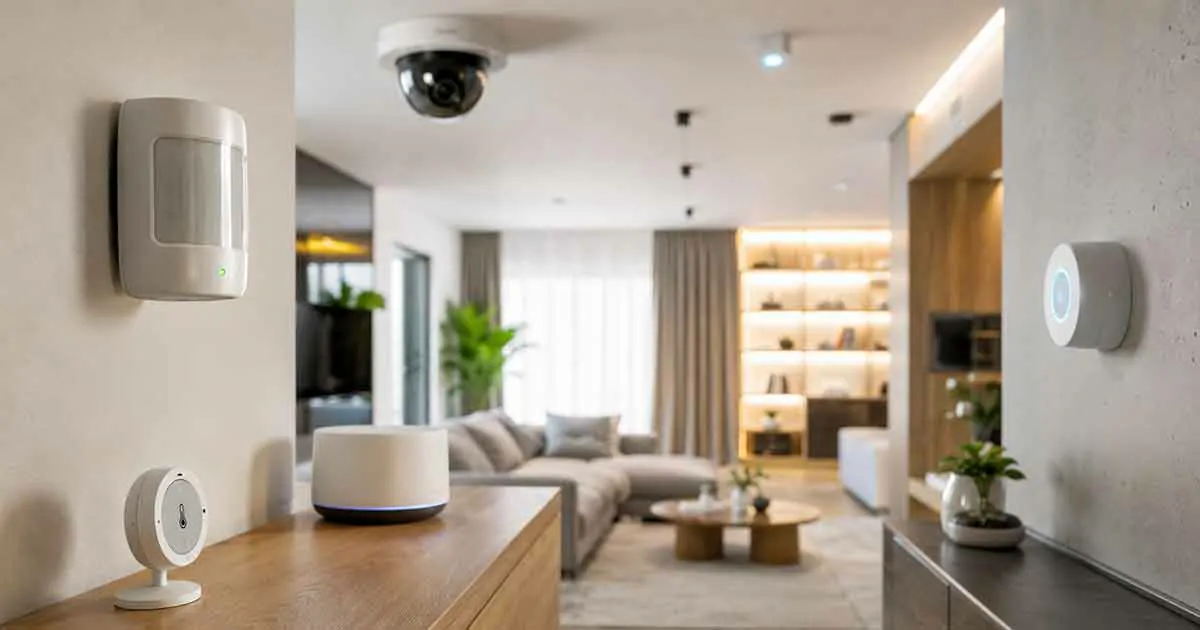
Smart home sensors are becoming one of the most important parts of modern connected living. These small devices help smart homes understand what is happening around them and automatically respond to different situations.
From improving security and saving energy to creating more convenient routines, smart sensors provide the information needed for effective home automation.
This guide explains what smart home sensors are, the different types available, their benefits, and how they can improve your connected home.
What Are Smart Home Sensors?
Smart home sensors are connected devices that collect information from the surrounding environment and send data to a smart home system.
They can detect changes such as:
- Movement
- Temperature
- Light levels
- Water leaks
- Smoke
- Door and window activity
The collected information allows smart devices to respond automatically based on predefined rules and routines.
How Do Smart Home Sensors Work?
Smart sensors work by detecting changes and communicating with connected devices through smart home networks.
They may connect using:
- Wi-Fi
- Bluetooth
- Zigbee
- Z-Wave
- Thread
When a sensor detects an event, it can trigger actions such as:
- Turning on lights
- Sending security alerts
- Adjusting temperature settings
- Activating automation routines
Benefits of Smart Home Sensors
Improved Home Security
Smart sensors play an important role in protecting homes.
They can detect:
- Unexpected movement
- Open doors or windows
- Unusual activity
When connected to a smart security system, they can provide instant alerts.
Better Energy Efficiency
Smart sensors can help reduce energy waste.
Examples include:
- Adjusting lighting when rooms are empty
- Managing heating and cooling automatically
- Detecting usage patterns
More Convenient Automation
Sensors allow smart homes to react automatically.
Examples:
- Lights turning on when someone enters a room
- Thermostats adjusting based on occupancy
- Devices activating according to schedules
Improved Safety
Certain sensors can help detect potential problems early.
Examples include:
- Smoke detection
- Water leak detection
- Temperature monitoring
Types of Smart Home Sensors
Motion Sensors
Motion sensors detect movement and are commonly used for:
- Security monitoring
- Automatic lighting
- Smart home routines
They can help devices respond when someone enters or leaves an area.
Door and Window Sensors
These sensors monitor whether doors or windows are open or closed.
They are useful for:
- Home security
- Energy management
- Automation triggers
Temperature Sensors
Temperature sensors provide accurate environmental information.
They can work with smart thermostats to improve comfort and efficiency.
Light Sensors
Light sensors measure natural lighting conditions.
They can help automate:
- Smart lighting systems
- Window coverings
- Energy-saving routines
Water Leak Sensors
Water sensors detect moisture and possible leaks.
They are useful near:
- Washing machines
- Water heaters
- Sinks
- Basements
Smoke and Carbon Monoxide Sensors
These sensors provide important safety monitoring.
Smart versions can send alerts directly to connected devices.
Air Quality Sensors
Air quality sensors monitor indoor conditions.
They may track:
- Air pollution levels
- Humidity
- Indoor comfort
Smart Home Sensors and Automation
Smart sensors are the foundation of advanced home automation.
They allow devices to work together through intelligent routines.
Examples include:
Security Automation
A door sensor detects activity and sends an alert or activates security cameras.
Lighting Automation
A motion sensor detects movement and turns lights on automatically.
Energy Automation
Temperature and occupancy sensors help optimize heating and cooling.
Safety Automation
Leak and smoke sensors provide early warnings during emergencies.
Smart Home Sensors and Matter Compatibility
Modern smart home standards such as Matter are improving sensor compatibility.
Matter-compatible sensors can work more easily with different smart home platforms.
This helps homeowners build flexible systems without being limited to one ecosystem.
How to Choose the Best Smart Home Sensors
Identify Your Needs
Before buying sensors, decide what you want to improve.
Common goals include:
- Security
- Energy savings
- Convenience
- Safety
Check Compatibility
Make sure sensors work with your existing smart home setup.
Consider:
- Smart home platforms
- Required hubs
- Supported communication protocols
Consider Installation Requirements
Some sensors are simple to install, while others may require additional equipment.
Review:
- Power requirements
- Placement options
- Maintenance needs
Look for Reliable Alerts
Important notification features include:
- Smartphone alerts
- Automation triggers
- Device status updates
Plan for Future Expansion
Choose sensors that can grow with your smart home.
A flexible system makes it easier to add more devices later.
Common Smart Home Sensor Buying Mistakes
Buying Without Checking Compatibility
A sensor that does not work with your system may limit future automation.
Installing Sensors in Wrong Locations
Proper placement is essential for accurate detection.
Choosing Too Many Unnecessary Devices
Start with sensors that solve real problems before expanding.
Ignoring Security Features
Connected devices should include reliable security and privacy protections.
Frequently Asked Questions
Are smart home sensors worth buying?
Smart sensors can improve security, convenience, and energy efficiency, making them valuable additions to many homes.
Do smart home sensors need a hub?
Some sensors connect directly through Wi-Fi, while others require a smart home hub.
Can smart sensors work with different brands?
Compatibility depends on the device and supported standards such as Matter.
What are the most useful smart home sensors?
Popular options include motion sensors, door sensors, temperature sensors, leak sensors, and smoke detectors.
Can smart sensors save energy?
Yes, they can help reduce waste by automating lighting, heating, and cooling.
Final Thoughts
Smart home sensors are a key foundation of connected home automation.
By detecting changes and triggering intelligent actions, they help homeowners create safer, more efficient, and more convenient living spaces.
Whether improving security, reducing energy consumption, or automating daily routines, smart sensors are an essential part of modern smart homes.