
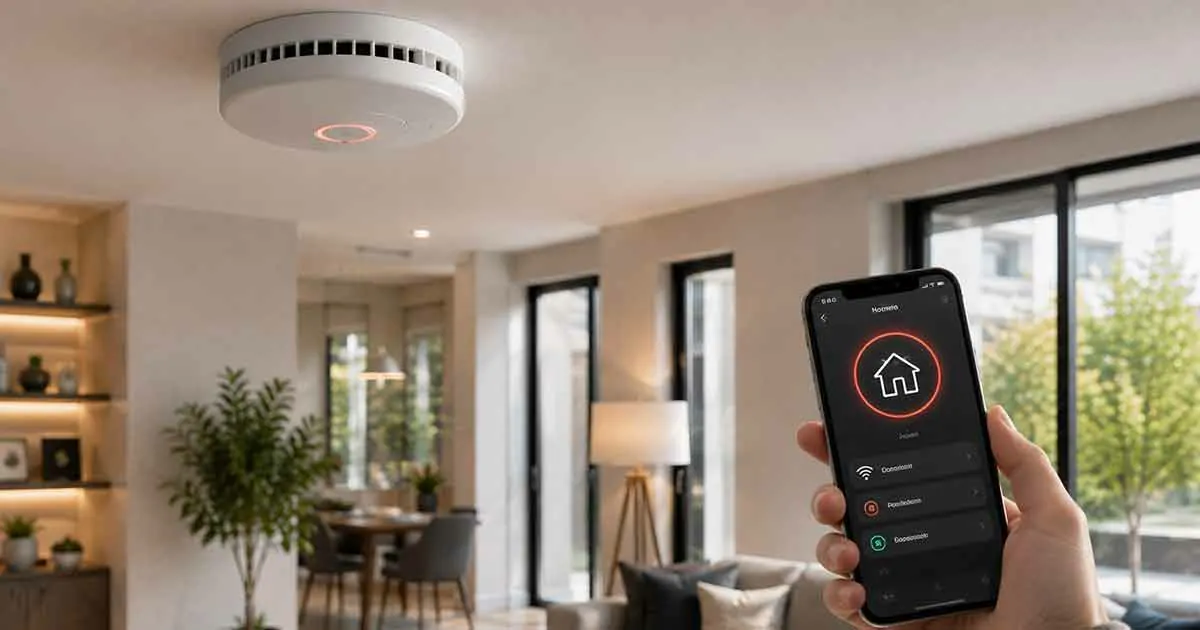
Home safety has become an important part of modern smart home technology. While traditional smoke detectors provide essential protection, smart smoke detectors add advanced features that improve monitoring, alerts, and overall home security.
Smart smoke detectors can send notifications, provide remote monitoring, and integrate with other connected devices to create a safer living environment.
This guide explains the benefits of smart smoke detectors, important features to consider, and how to choose the best smart smoke detector for your home.
What Is a Smart Smoke Detector?
A smart smoke detector is a connected safety device designed to detect smoke and potential fire risks while providing additional smart features.
Unlike traditional smoke alarms, smart models can connect to:
- Mobile applications
- Smart home platforms
- Voice assistants
- Connected security systems
They allow homeowners to receive alerts and monitor safety conditions even when away from home.
Benefits of Smart Smoke Detectors
Remote Safety Alerts
One of the biggest advantages of smart smoke detectors is receiving notifications remotely.
Homeowners can receive alerts about:
- Smoke detection
- Possible fire risks
- Low battery status
- Device issues
Faster Awareness During Emergencies
Smart smoke detectors can provide immediate notifications through connected devices.
This can help homeowners respond faster when potential dangers are detected.
Smart Home Integration
Many smart smoke detectors can work with other connected products.
They may integrate with:
- Smart home hubs
- Smart speakers
- Security systems
- Home automation routines
Improved Monitoring
Smart features allow homeowners to check device status and receive maintenance reminders.
This makes it easier to maintain reliable home protection.
Convenience and Maintenance Notifications
Smart smoke detectors can notify users when:
- Batteries need replacement
- Testing is required
- Device maintenance is needed
Important Smart Smoke Detector Features
Smoke and Carbon Monoxide Detection
Some smart detectors combine smoke detection with carbon monoxide monitoring.
This provides additional protection for households.
Mobile App Notifications
A reliable app should provide:
- Real-time alerts
- Device status information
- Maintenance reminders
Voice Alerts
Some models provide spoken warnings that identify the type of danger detected.
Battery Life
Long battery life reduces maintenance requirements.
Consider:
- Battery replacement frequency
- Rechargeable options
- Battery status notifications
Smart Home Compatibility
Before buying, check compatibility with your existing smart home ecosystem.
Important considerations include:
- Supported platforms
- Hub compatibility
- Automation options
Testing and Self-Checking Features
Some smart detectors can perform automatic checks.
Useful features include:
- Sensor testing
- Status monitoring
- Fault notifications
Types of Smart Smoke Detectors
Smart Smoke-Only Detectors
These devices focus primarily on smoke detection.
They are suitable for homeowners who already have separate safety systems.
Smart Smoke and Carbon Monoxide Detectors
These combine two important safety functions in one device.
They are useful for comprehensive home protection.
Connected Safety Systems
Some smart detectors work as part of a larger connected security system.
They can communicate with other smart devices throughout the home.
How to Choose the Best Smart Smoke Detector
Consider Your Home Safety Needs
Evaluate your home’s requirements before choosing a device.
Consider:
- Home size
- Number of rooms
- Existing safety equipment
Check Compatibility
Choose a model that works with your current smart home setup.
Compatibility improves future expansion.
Review Alert Features
Important alert options include:
- Smartphone notifications
- Voice warnings
- Emergency alerts
Consider Installation Requirements
Look at:
- Installation method
- Power requirements
- Placement recommendations
Compare Features and Price
Important factors include:
- Detection capabilities
- Smart features
- Battery performance
- Long-term reliability
Smart Smoke Detectors and Home Security
Smart smoke detectors can complement existing home security systems.
They can work alongside:
- Smart security cameras
- Smart home hubs
- Smart speakers
- Home automation systems
Examples of automation include:
- Turning on lights during an emergency
- Sending alerts to connected devices
- Triggering safety routines
Common Smart Smoke Detector Buying Mistakes
Choosing Only Based on Price
Low-cost devices may not provide the reliability and features needed for home safety.
Ignoring Compatibility
A detector that cannot connect with existing devices may limit smart home integration.
Incorrect Placement
Proper installation location is important for effective detection.
Forgetting Maintenance
Regular testing and maintenance are necessary for reliable operation.
Frequently Asked Questions
Are smart smoke detectors worth buying?
For many homeowners, smart smoke detectors provide additional convenience, monitoring, and faster notifications compared to traditional models.
Do smart smoke detectors replace regular smoke alarms?
Smart smoke detectors provide the same basic safety purpose with additional connected features.
Can smart smoke detectors work without Wi-Fi?
Basic detection functions may continue working, but remote alerts usually require connectivity.
Can smart smoke detectors connect to smart home systems?
Many models support integration with compatible smart home platforms.
Where should smart smoke detectors be installed?
Installation locations depend on manufacturer recommendations and local safety guidelines.
Final Thoughts
Smart smoke detectors provide an effective combination of safety and smart home convenience.
With features such as remote alerts, device monitoring, and automation integration, they can help homeowners create a safer and more connected living environment.
Choosing a reliable smart smoke detector with the right compatibility and features is an important step toward improving modern home protection.