
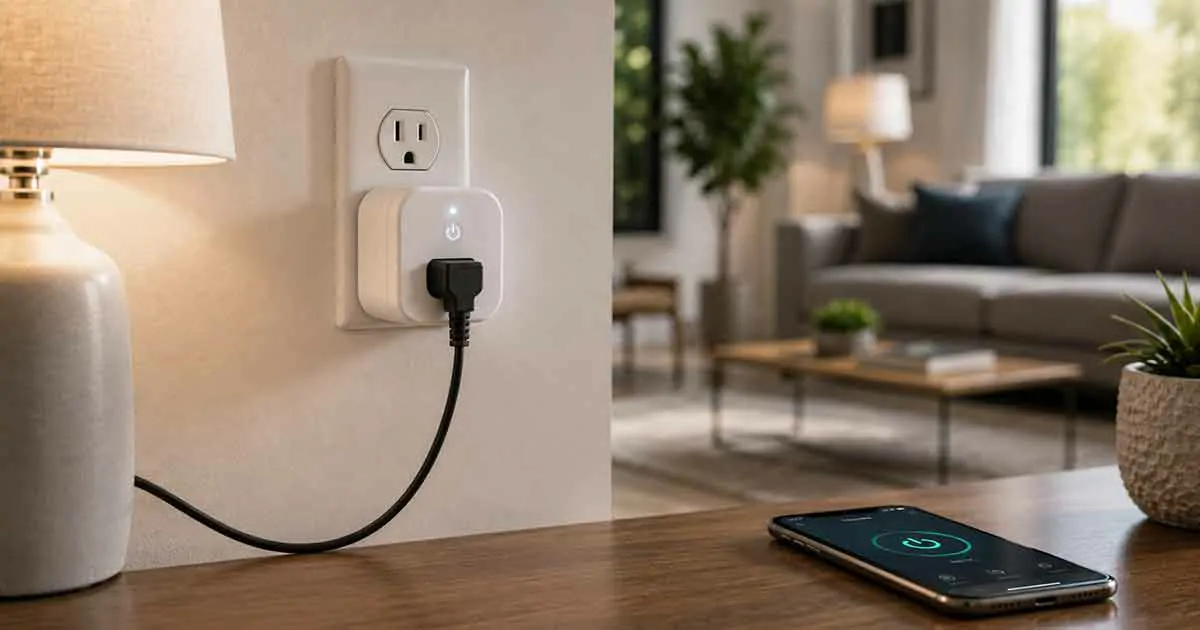
Smart plugs are one of the easiest and most affordable ways to start improving your home with smart technology.
They allow homeowners to control traditional electrical devices remotely, create schedules, and improve convenience without replacing existing appliances.
For beginners building a connected home, smart plugs provide a simple way to add automation and better energy management.
This buying guide explains the benefits of smart plugs, important features to consider, compatibility requirements, and how to choose the best smart plugs for your home.
What Are Smart Plugs?
Smart plugs are small connected devices that are installed between a wall outlet and an electrical device.
They allow users to control connected devices through:
- Smartphone applications
- Voice assistants
- Smart home platforms
Instead of replacing existing electronics, smart plugs add smart features to traditional devices.
Benefits of Smart Plugs
Remote Device Control
One of the main advantages of smart plugs is the ability to control devices from anywhere.
Homeowners can:
- Turn devices on or off remotely
- Check device status
- Manage electronics while away from home
Create Automated Schedules
Smart plugs allow users to create automatic routines.
Examples include:
- Turning lights on at sunset
- Scheduling coffee makers in the morning
- Automatically switching devices off at night
Improve Energy Management
Some smart plugs include energy monitoring features.
They can help homeowners:
- Track electricity usage
- Identify unnecessary consumption
- Reduce standby power waste
Add Smart Features to Existing Devices
Smart plugs make ordinary devices more convenient.
Examples include:
- Lamps
- Fans
- Small kitchen appliances
- Entertainment devices
This makes them a practical upgrade for beginners.
Enhance Home Security
Smart plugs can support simple security routines.
For example:
- Turning lights on while traveling
- Creating the appearance of someone being home
- Automating outdoor lighting schedules
Important Smart Plug Features
Wi-Fi Connectivity
Many smart plugs connect directly to home Wi-Fi networks.
Advantages include:
- Easy setup
- No additional hub required
- Remote access
Energy Monitoring
Energy tracking features help users understand electricity consumption.
This can be useful for identifying devices that consume unnecessary power.
Voice Control Support
Many smart plugs work with popular voice assistants.
Users can control connected devices using voice commands.
Scheduling and Timers
Scheduling features allow automatic control based on daily routines.
Useful options include:
- Timers
- Daily schedules
- Custom automation routines
Smart Home Compatibility
Before buying a smart plug, check compatibility with existing systems.
Important factors include:
- Supported smart home platforms
- Mobile app quality
- Device integration options
Compact Design
A good smart plug should fit comfortably near other outlets.
Compact designs help prevent blocking nearby sockets.
Types of Smart Plugs
Indoor Smart Plugs
Indoor models are designed for household electronics.
Common uses include:
- Lamps
- Chargers
- Small appliances
- Entertainment equipment
Outdoor Smart Plugs
Outdoor models are designed for exterior use.
They are useful for:
- Garden lighting
- Outdoor decorations
- Exterior electrical devices
They usually include weather-resistant protection.
Energy Monitoring Smart Plugs
These models provide additional information about electricity usage.
They are helpful for homeowners focused on reducing energy waste.
How to Choose the Best Smart Plugs
Consider Your Main Purpose
Think about what you want to automate.
Examples:
- Convenience → Basic smart plugs
- Energy savings → Energy monitoring models
- Outdoor automation → Weather-resistant plugs
Check Device Compatibility
Make sure the smart plug supports your preferred smart home ecosystem.
Review Safety Features
Important safety considerations include:
- Maximum power rating
- Overload protection
- Product certifications
Consider App Quality
A reliable app improves the overall experience.
Look for:
- Easy setup
- Stable connection
- Useful automation options
Smart Plugs and Home Automation
Smart plugs can become part of larger home automation systems.
They can work together with:
- Smart speakers
- Smart lighting systems
- Smart thermostats
- Energy monitoring systems
Examples of automation include:
- Turning off devices automatically
- Creating morning routines
- Managing energy usage
Common Smart Plug Buying Mistakes
Choosing Based Only on Price
Low-cost products may lack reliability or important safety features.
Ignoring Power Limits
Every smart plug has a maximum electrical capacity that should not be exceeded.
Buying Without Checking Compatibility
A smart plug should work with the devices and platforms already used in your home.
Using Smart Plugs With Unsafe Devices
Some high-power appliances may not be suitable for standard smart plugs.
Always check manufacturer recommendations.
Frequently Asked Questions
Are smart plugs worth buying?
For many homeowners, smart plugs provide an affordable way to add automation and convenience.
Do smart plugs save electricity?
Smart plugs can help reduce wasted energy by making it easier to control and monitor devices.
Can smart plugs work without Wi-Fi?
Some models require Wi-Fi, while others may use different connection methods.
Are smart plugs safe?
When used correctly and within their power limits, quality smart plugs are designed to be safe.
What devices work best with smart plugs?
Smart plugs are commonly used with lamps, small appliances, fans, and entertainment devices.
Final Thoughts
Smart plugs are one of the simplest smart home upgrades for beginners.
They provide remote control, automation, and better energy management without requiring expensive equipment replacements.
By choosing smart plugs with reliable features and good compatibility, homeowners can create a more convenient and efficient connected home.