
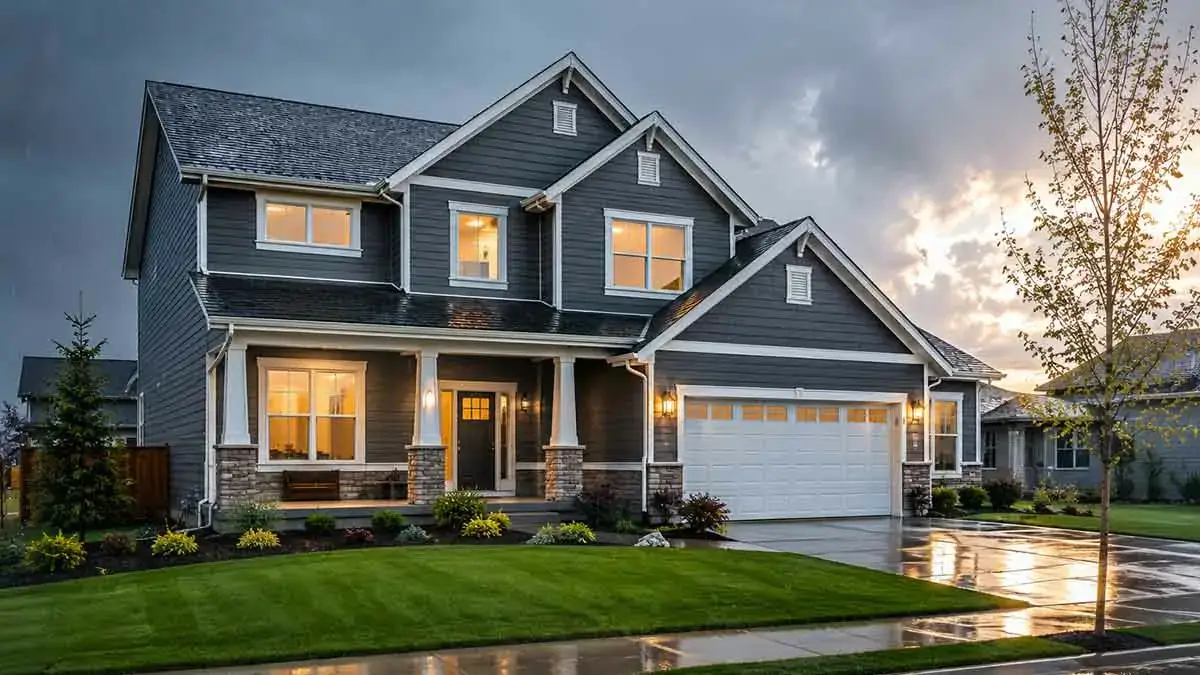
Weatherproofing your home helps protect the building from rain, wind, moisture, temperature extremes, and other outdoor conditions. A properly weatherproofed home can be more comfortable, more durable, and more resistant to water damage and unwanted air leakage.
Weatherproofing is not a single repair or product. It is a combination of measures that protect the building envelope, including the roof, walls, windows, doors, foundation, drainage systems, and other exterior components.
Small problems such as cracked caulk, damaged weatherstripping, clogged gutters, or gaps around exterior openings can allow water and air to enter. If these problems remain unresolved, they can eventually contribute to moisture damage, mold, wood deterioration, and higher heating and cooling demand.
This guide explains how to weatherproof a home, which areas deserve the most attention, what maintenance tasks homeowners can handle, and when professional repairs may be necessary.
Table of Contents
What Is Home Weatherproofing?
Home weatherproofing is the process of improving a home’s resistance to outdoor weather conditions.
It involves reducing unwanted water and air entry while protecting vulnerable building components from weather exposure.
Weatherproofing may include:
- Repairing roof damage
- Maintaining gutters and downspouts
- Sealing exterior gaps
- Improving window and door seals
- Maintaining exterior siding
- Protecting foundations
- Improving drainage
- Repairing flashing
- Sealing utility penetrations
- Addressing moisture problems
The goal is to create a durable building envelope that can handle normal exposure to rain, wind, heat, cold, and humidity.
Why Weatherproofing Your Home Matters
Weather can gradually damage a home even when there is no obvious major leak.
Water entering through a small opening can eventually affect:
- Roof structures
- Wall assemblies
- Insulation
- Window frames
- Exterior trim
- Flooring
- Foundations
Air leakage can also make indoor temperatures less stable and increase heating and cooling demand.
Effective weatherproofing can help:
- Reduce water intrusion
- Limit unwanted drafts
- Protect building materials
- Improve indoor comfort
- Reduce moisture-related problems
- Support energy efficiency
- Extend the life of exterior components
Regular inspection is usually easier and less expensive than repairing extensive weather damage.
What Parts of a Home Need Weatherproofing?
Weatherproofing should be considered as a complete system rather than a collection of unrelated repairs.
Important areas include:
- Roof
- Gutters and downspouts
- Flashing
- Exterior walls
- Windows
- Doors
- Foundation
- Basement
- Crawl space
- Utility penetrations
- Exterior drainage
- Garage
- Outdoor structures
A weakness in one part of the building envelope can allow weather to affect other components.
Inspect the Roof
The roof is one of the home’s primary defenses against rain, snow, wind, and sunlight.
Inspect the roof periodically for:
- Missing or damaged shingles
- Cracked roofing materials
- Loose components
- Damaged flashing
- Sagging areas
- Moss or excessive organic growth
- Signs of water intrusion
Look inside the attic for additional warning signs such as:
- Water stains
- Damp insulation
- Wet wood
- Mold
- Daylight visible through unexpected openings
Roof repairs should be addressed promptly because even a small leak can cause significant damage over time.
Do not walk on a roof unless you have the appropriate experience and safety equipment.
Maintain Gutters and Downspouts
Gutters collect rainwater from the roof and direct it toward appropriate drainage areas.
Clogged or damaged gutters can cause water to overflow near:
- Roof edges
- Exterior walls
- Windows
- Foundation walls
Keep gutters free of leaves, sediment, and other debris.
Check downspouts to make sure water is discharged away from the foundation rather than accumulating directly beside the house.
If gutters repeatedly overflow despite being clean, the system may need adjustment, additional capacity, or a drainage evaluation.
Check Roof Flashing
Flashing directs water away from vulnerable joints and penetrations.
It is commonly found around:
- Chimneys
- Roof valleys
- Skylights
- Vents
- Roof-wall intersections
- Other roof penetrations
Damaged or poorly installed flashing can allow water into areas that are otherwise protected by the roofing system.
If you see cracked sealant, loose flashing, rust, or signs of water intrusion, the area should be inspected and repaired appropriately.
Inspect Exterior Walls
Exterior walls are exposed to rain, wind, sunlight, and temperature changes throughout the year.
Inspect siding, masonry, stucco, and other exterior finishes for:
- Cracks
- Missing sections
- Loose materials
- Deteriorated joints
- Water stains
- Rot
- Damaged trim
The appropriate repair depends on the exterior material.
Do not simply cover damaged areas with sealant if the underlying material is deteriorated or water-damaged.
Seal Cracks and Gaps
Small exterior gaps can allow both water and air to enter the building.
Common locations include:
- Around windows
- Around exterior doors
- Where siding meets trim
- Around utility penetrations
- Around vents
- At exterior joints
Use a sealant appropriate for the surface and exposure conditions.
Before sealing, remove loose material and make sure the surface is clean and suitable for the product.
Do not seal intentional drainage or ventilation openings.
Weatherproof Windows
Windows can become vulnerable to weather as seals and surrounding materials age.
Inspect windows for:
- Cracked exterior caulk
- Damaged weatherstripping
- Gaps around frames
- Damaged flashing
- Loose trim
- Water stains
- Condensation problems
- Deteriorated frames
Simple maintenance such as replacing weatherstripping or deteriorated sealant can improve protection.
If water enters around a window despite repeated repairs, the installation, flashing, or surrounding wall assembly may require professional inspection.
Weatherproof Exterior Doors
Exterior doors should create a reliable barrier against rain, wind, and outdoor air.
Check:
- Door weatherstripping
- Door sweep
- Threshold
- Frame
- Exterior caulking
- Door alignment
A poorly sealed door can create noticeable drafts and allow water to enter during heavy rain.
Replace worn weatherstripping and repair damaged seals where appropriate.
If the door is warped or the frame has significant damage, more extensive repair may be necessary.
Protect the Foundation
Water should be directed away from the foundation whenever possible.
Inspect the foundation for:
- Cracks
- Water stains
- Damp areas
- Efflorescence
- Soil erosion
- Poor drainage
Not every foundation crack indicates a serious structural problem, but persistent moisture should not be ignored.
The first step is often to identify where the water is coming from rather than simply sealing the visible symptom.
Improve Basement and Crawl Space Protection
Basements and crawl spaces can be particularly vulnerable to moisture.
Potential sources include:
- Foundation leaks
- Poor grading
- Groundwater
- Plumbing leaks
- Condensation
- Inadequate drainage
Weatherproofing may involve improving exterior drainage, repairing foundation defects, managing moisture, and maintaining appropriate ventilation or moisture-control systems.
Do not cover wet walls or damp materials without addressing the source of moisture.
Check Exterior Plumbing and Utility Penetrations
Pipes, cables, vents, and other utilities often pass through exterior walls.
The openings around these penetrations can deteriorate over time.
Inspect for:
- Cracked sealant
- Visible gaps
- Water stains
- Damaged flashing
- Loose components
Use appropriate materials for each penetration.
Some utility systems require specific clearances or sealing methods, so avoid sealing around components without understanding their installation requirements.
Improve Drainage Around the Home
Proper drainage is one of the most important parts of weatherproofing.
Check whether the ground around the home directs water away from the foundation.
Potential problems include:
- Poor grading
- Low areas beside the foundation
- Disconnected downspouts
- Clogged drainage systems
- Water pooling near exterior walls
Correcting drainage problems at the source is usually more effective than repeatedly repairing interior water damage.
Protect Against Wind and Air Leakage
Weatherproofing also involves controlling unwanted air movement.
Wind can enter through gaps around:
- Windows
- Doors
- Exterior penetrations
- Siding joints
- Utility openings
- Other parts of the building envelope
Air sealing can improve comfort and reduce unwanted energy loss.
However, do not seal intentional ventilation openings or interfere with systems designed to provide controlled airflow.
Weatherproof the Garage
Attached garages can affect both weather protection and indoor comfort.
Inspect:
- Garage door weatherstripping
- Bottom seal
- Side seals
- Door frame
- Exterior wall joints
- Roof and drainage components
A damaged garage door seal can allow rain, wind, dust, and pests to enter.
If the garage shares a wall or ceiling with conditioned living space, proper air sealing and separation are particularly important.
Weatherproof Outdoor Structures
Sheds, detached garages, porches, decks, and other outdoor structures also require periodic weather maintenance.
Inspect for:
- Roof damage
- Rot
- Cracked sealant
- Water pooling
- Deteriorated finishes
- Damaged drainage components
Addressing small problems early can extend the life of outdoor structures.
Weatherproofing for Winter
Before cold weather arrives, inspect the home for vulnerabilities.
Prioritize:
- Roof condition
- Gutters and downspouts
- Exterior door seals
- Window weatherstripping
- Exterior caulking
- Foundation drainage
- Exposed plumbing
- Attic moisture problems
Cold weather can make existing gaps and weak seals more noticeable.
In regions where freezing temperatures occur, protect vulnerable plumbing according to local conditions and building requirements.
Weatherproofing for Summer
Summer weather can expose homes to intense heat, sunlight, humidity, and severe storms.
Before summer, inspect:
- Roof condition
- Exterior sealants
- Windows
- Doors
- Gutters
- Downspouts
- Drainage
- Exterior finishes
Heat can accelerate deterioration of some sealants and exterior materials.
Keeping drainage systems clear is especially important before periods of heavy rainfall.
Weatherproofing for Heavy Rain and Storms
Heavy rain can expose weaknesses that remain unnoticed during normal weather.
Before major storms:
- Clean gutters.
- Check downspouts.
- Inspect roof drainage.
- Secure loose exterior components.
- Check windows and doors.
- Inspect obvious exterior gaps.
- Make sure water can drain away from the foundation.
Do not attempt dangerous roof or exterior repairs during severe weather.
Weatherproofing vs Waterproofing
Weatherproofing and waterproofing are related but not identical.
Weatherproofing generally focuses on protecting a building from normal outdoor exposure, including rain, wind, temperature changes, and air leakage.
Waterproofing focuses more specifically on preventing water from penetrating a particular structure or assembly.
For example, sealing a window perimeter can be part of weatherproofing, while a foundation drainage and waterproofing system may be designed specifically to manage persistent groundwater.
The appropriate approach depends on the source and severity of the moisture problem.
DIY vs Professional Weatherproofing
Many basic maintenance tasks can be completed by homeowners when they are safe and accessible.
DIY projects may include:
- Cleaning gutters
- Replacing door weatherstripping
- Replacing simple window seals
- Sealing small exterior gaps
- Cleaning downspouts
- Inspecting visible exterior components
Professional help is more appropriate for:
- Roof repairs
- Structural damage
- Significant foundation problems
- Persistent water intrusion
- Complex flashing repairs
- Difficult-to-access areas
- Extensive exterior restoration
Safety should always take priority over attempting a repair yourself.
Common Weatherproofing Mistakes
Sealing Without Finding the Source
Covering a visible water stain does not solve the underlying problem.
Find where water or air is entering before making repairs.
Blocking Drainage Openings
Some building components are designed to drain water.
Do not seal intentional drainage paths.
Ignoring Gutters
A small roof leak is not the only way water can damage a home. Poor gutter drainage can direct large amounts of water toward walls and foundations.
Using the Wrong Sealant
Sealants differ in flexibility, adhesion, durability, and intended application.
Choose a product appropriate for the material and exposure.
Ignoring Moisture Damage
Rot, mold, damp insulation, and water stains should be investigated rather than simply covered.
Focusing Only on Windows and Doors
Windows and doors are important, but the roof, walls, foundation, drainage, and exterior penetrations also need attention.
Performing Unsafe Repairs
Roof work, electrical areas, elevated work, and structural repairs can present serious hazards.
Hire an appropriately qualified professional when the work exceeds your experience or equipment.
Home Weatherproofing Checklist
Use this checklist during a seasonal inspection:
- Inspect the roof.
- Check flashing around roof penetrations.
- Clean gutters.
- Inspect downspouts.
- Make sure water drains away from the foundation.
- Check exterior walls and siding.
- Inspect exterior caulking.
- Check window seals.
- Inspect door weatherstripping.
- Check the foundation for moisture.
- Inspect basement or crawl space conditions.
- Check utility penetrations.
- Inspect the garage door seal.
- Look for standing water.
- Check for signs of rot or deterioration.
- Address leaks promptly.
- Avoid blocking intentional drainage or ventilation openings.
When to Call a Professional
Professional evaluation is recommended when:
- Water continues entering after basic repairs.
- The roof has significant damage.
- Flashing appears defective.
- Foundation moisture persists.
- Structural damage is suspected.
- Exterior materials are severely deteriorated.
- Multiple areas of the home show water intrusion.
- A window or door remains leaky after sealing repairs.
- You cannot identify the source of moisture.
- The required repair involves dangerous or difficult-to-access areas.
The right professional depends on the problem. Roofing contractors, window specialists, waterproofing contractors, builders, and other qualified trades may each be appropriate for different conditions.
Final Thoughts
Weatherproofing your home is an ongoing process rather than a one-time project. The goal is to keep rain, wind, unwanted air, and excessive moisture from damaging the building while maintaining a comfortable indoor environment.
Start with the home’s most exposed areas: the roof, gutters, flashing, exterior walls, windows, doors, foundation, and drainage system. Look for small problems such as cracked sealant, damaged weatherstripping, standing water, and deteriorated exterior materials before they develop into larger repairs.
Good weatherproofing also requires understanding how the building envelope works. Do not seal intentional drainage or ventilation openings, and do not use sealants to hide unresolved moisture or structural problems.
With regular inspections and timely maintenance, homeowners can protect their property from weather-related damage, improve comfort, and extend the service life of many exterior components.