
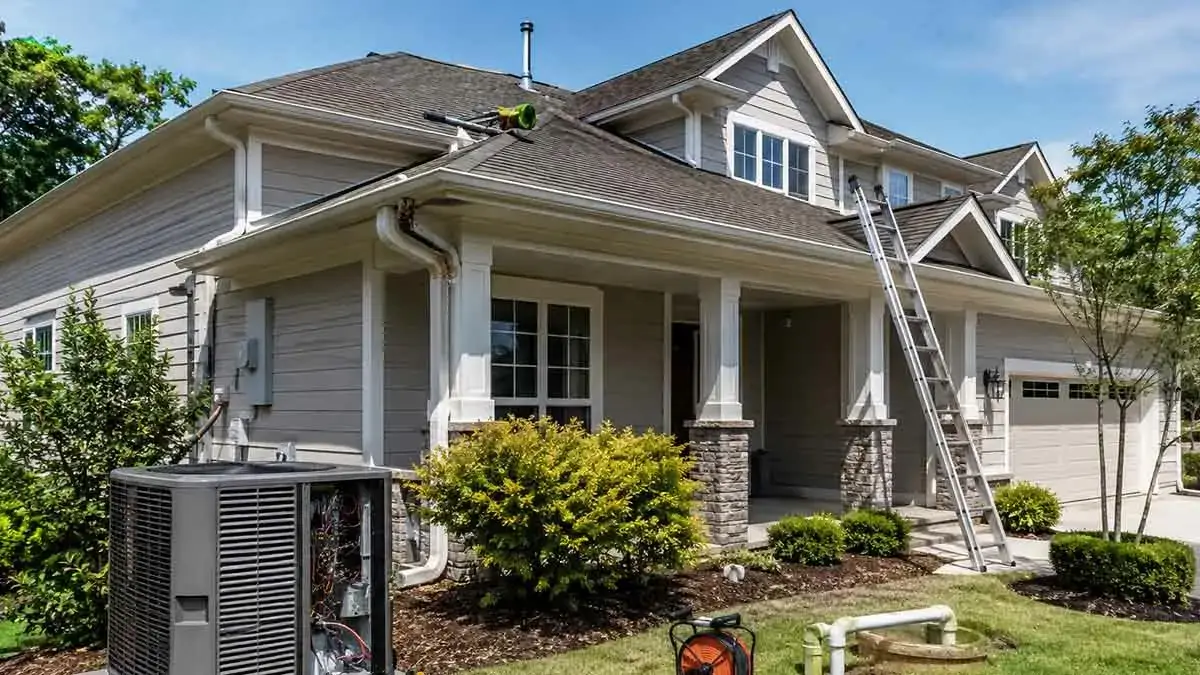
Preventive home maintenance is the process of inspecting, cleaning, servicing, and repairing parts of your home before small problems develop into expensive or disruptive repairs. Instead of waiting for something to fail, preventive maintenance focuses on identifying warning signs early and keeping major home systems in good working condition.
Every home requires ongoing care. Roofing materials, plumbing, HVAC equipment, electrical components, exterior surfaces, appliances, and drainage systems all experience normal wear over time. Weather, moisture, daily use, age, and environmental conditions can accelerate that deterioration.
A preventive home maintenance plan gives homeowners a practical way to stay ahead of problems, protect the property, improve comfort, and reduce unexpected repair costs.
This guide explains the most important areas of preventive home maintenance, how often common tasks should be performed, what homeowners can safely handle themselves, and when professional help is appropriate.
Table of Contents
What Is Preventive Home Maintenance?
Preventive home maintenance means taking care of a home’s systems and components before they develop serious failures.
Typical preventive maintenance tasks include:
- Inspecting the roof
- Cleaning gutters and downspouts
- Checking for plumbing leaks
- Replacing HVAC filters
- Maintaining heating and cooling equipment
- Inspecting windows and doors
- Checking exterior surfaces
- Testing smoke and carbon monoxide alarms
- Inspecting drainage around the foundation
- Maintaining appliances
- Checking safety equipment
The objective is not to eliminate every repair. No maintenance program can prevent every failure.
Instead, preventive maintenance helps homeowners identify deterioration earlier, maintain equipment properly, and reduce the likelihood that a small issue will become a major problem.
Why Is Preventive Home Maintenance Important?
Regular preventive maintenance provides several important benefits.
Prevent Expensive Repairs
Many expensive home repairs begin with relatively small warning signs.
A damaged roof component can eventually allow water into the home. A small plumbing leak can damage cabinets or flooring. Poor drainage can contribute to recurring moisture around a foundation.
Finding and addressing these problems early can reduce the amount of damage and the eventual repair cost.
Extend the Life of Home Systems
Regular care can help maintain the condition and performance of systems such as:
- HVAC equipment
- Water heaters
- Plumbing fixtures
- Garage doors
- Appliances
- Roofing systems
- Exterior finishes
Always follow the manufacturer’s maintenance recommendations because service requirements vary between products.
Improve Energy Efficiency
Some preventive maintenance tasks can reduce unnecessary energy consumption.
Examples include:
- Replacing or cleaning HVAC filters
- Maintaining weatherstripping
- Sealing appropriate air leaks
- Maintaining heating and cooling equipment
- Inspecting insulation
- Maintaining windows and doors
Energy efficiency depends on the overall condition of the building envelope and mechanical systems rather than one maintenance task alone.
Improve Home Safety
Preventive maintenance can reveal safety problems before they become emergencies.
Important areas include:
- Smoke alarms
- Carbon monoxide alarms
- Electrical outlets
- Exterior lighting
- Stairways
- Handrails
- Garage door safety features
- Fire extinguishers
Safety-related issues should receive priority over cosmetic improvements.
Protect the Long-Term Condition of the Property
A consistently maintained home is easier to preserve than one where problems are allowed to accumulate.
Keeping records of inspections, servicing, repairs, and replacements can also help homeowners understand the condition of major systems over time.
The Most Important Areas of Preventive Home Maintenance
A practical preventive maintenance plan should prioritize systems where failure could result in water damage, structural deterioration, safety hazards, or expensive repairs.
Important areas include:
- Roof and gutters
- Foundation and drainage
- Plumbing
- HVAC systems
- Electrical systems
- Exterior surfaces
- Windows and doors
- Appliances
- Garage systems
- Safety equipment
- Attics and basements
The exact priorities depend on the home’s age, construction, climate, and installed equipment.
Roof and Gutter Maintenance
The roof is one of the home’s primary defenses against weather.
Regularly inspect accessible and visible areas for signs of:
- Missing or damaged roofing materials
- Cracked or deteriorated flashing
- Damaged vents
- Loose components
- Debris accumulation
- Signs of water intrusion
Do not walk on a roof if you are not equipped and qualified to do so safely. A professional roof inspection may be appropriate when the roof is steep, damaged, difficult to access, or otherwise unsafe.
Keep Gutters and Downspouts Clear
Gutters and downspouts help move rainwater away from the home.
Clean them as needed and check that:
- Gutters remain securely attached
- Water flows freely
- Downspouts are not blocked
- Downspout outlets direct water away from the foundation
Gutters may require more frequent attention in areas with heavy tree cover.
Poorly managed roof runoff can contribute to water intrusion, soil erosion, basement moisture, and foundation-related problems.
Foundation and Drainage Maintenance
Water management around the foundation is an important part of preventive home maintenance.
Walk around the property after significant rainfall and look for:
- Standing water
- Soil erosion
- Poor grading
- Blocked drainage
- Downspouts discharging too close to the structure
- Persistent damp areas
The ground around the home should generally direct water away from the foundation rather than allowing it to collect beside the structure.
Also watch for:
- New or changing cracks
- Significant settlement
- Persistent basement moisture
- Water entering crawl spaces
Not every crack is a structural emergency, but significant changes, recurring water intrusion, or unusual movement should be professionally evaluated.
Preventive Plumbing Maintenance
Plumbing problems can cause extensive damage when they remain hidden.
Regularly inspect visible plumbing around:
- Sinks
- Toilets
- Showers
- Bathtubs
- Washing machines
- Water heaters
- Dishwashers
- Exposed supply lines
Look for:
- Drips
- Corrosion
- Water stains
- Damp cabinets
- Unusual odors
- Mold-like growth
- Changes in water flow
Repair active leaks promptly rather than allowing them to continue.
Know the Main Water Shutoff
Every homeowner should know where the main water shutoff valve is located.
In the event of a major plumbing failure, shutting off the water quickly can reduce the amount of damage.
Keep the valve accessible and make sure household members know how to operate it.
Inspect Washing Machine Connections
Washing machine supply hoses and connections can eventually deteriorate.
Check for:
- Cracks
- Bulges
- Corrosion
- Drips
- Loose connections
Follow the appliance manufacturer’s recommendations for hose inspection and replacement.
HVAC Preventive Maintenance
Heating and cooling systems require regular attention because they operate for extended periods and directly affect indoor comfort.
Check HVAC Filters
Dirty filters can restrict airflow and reduce system performance.
Inspect filters according to the manufacturer’s recommendations and replace or clean them as required.
The appropriate replacement frequency depends on factors such as:
- Filter type
- HVAC system design
- Home occupancy
- Indoor air conditions
- Pets
- Manufacturer recommendations
There is no single replacement interval that applies to every home.
Keep Outdoor HVAC Equipment Clear
If your home has an outdoor condenser or heat pump, keep the surrounding area reasonably clear.
Remove:
- Leaves
- Grass
- Debris
- Excessive vegetation
Do not place objects directly against the equipment, and maintain the clearance specified by the manufacturer.
Schedule Professional HVAC Service
Professional maintenance can identify problems that may not be visible during a basic homeowner inspection.
Consider professional servicing according to:
- Manufacturer recommendations
- Equipment age
- System condition
- Local climate
- Usage
If the system produces unusual noises, odors, weak airflow, poor heating or cooling, or repeated cycling, arrange an appropriate inspection.
Preventive Electrical Maintenance
Electrical systems require particular caution because some problems can create fire or shock hazards.
During routine inspections, look for visible warning signs such as:
- Discolored outlets
- Damaged cords
- Loose outlet covers
- Burning smells
- Buzzing or crackling
- Frequently tripping breakers
- Signs of overheating
Do not ignore these warning signs.
Electrical repairs, modifications, and troubleshooting beyond basic visual inspection should be handled by a qualified electrician when necessary.
Avoid overloading outlets or using damaged extension cords.
Window and Door Maintenance
Windows and exterior doors help protect the home from weather while contributing to energy performance.
Inspect:
- Frames
- Caulking
- Weatherstripping
- Locks
- Hinges
- Screens
- Seals
Look for:
- Drafts
- Water intrusion
- Damaged seals
- Rot
- Cracked materials
- Difficulty opening or closing
Replace deteriorated weatherstripping or caulking where appropriate.
If moisture repeatedly appears around a window or door, investigate the source rather than simply covering the visible damage.
Exterior Surface Maintenance
Exterior materials should be inspected regularly because they are continuously exposed to weather.
Depending on the home, inspect:
- Siding
- Brick
- Stucco
- Wood
- Exterior trim
- Paint
- Masonry joints
Look for:
- Cracks
- Rot
- Peeling paint
- Loose materials
- Staining
- Moisture damage
- Deteriorated joints
Repair deterioration before water reaches underlying materials.
The correct repair method depends on the exterior material and the cause of the damage.
Preventive Garage Maintenance
Garages contain several systems that benefit from regular inspection.
Check:
- Garage door movement
- Door tracks
- Visible hardware
- Weather seals
- Safety sensors
- Door opener operation
- Exterior lighting
Keep the garage door’s operating area clear of stored items.
Garage doors can contain high-tension components. Do not attempt repairs involving springs or other hazardous components unless you have the appropriate training and equipment.
Preventive Appliance Maintenance
Major appliances require routine care to maintain performance and identify problems early.
Follow manufacturer instructions for:
- Refrigerator maintenance
- Dishwasher filters
- Washing machine hoses
- Dryer ventilation
- Range hood filters
- Water connections
- Appliance cleaning
Different appliances have different maintenance requirements, so the owner’s manual should take priority over generic schedules.
Maintain Dryer Ventilation
Dryer lint can accumulate in the lint filter and ventilation system.
Clean the lint filter after every load and inspect the vent system regularly.
Warning signs such as unusually long drying times, excessive heat, or restricted airflow may indicate a ventilation problem.
Professional cleaning may be appropriate for long, restricted, or difficult-to-access vent systems.
Home Safety Equipment Maintenance
Safety equipment should be part of every preventive maintenance plan.
Regularly check:
- Smoke alarms
- Carbon monoxide alarms
- Fire extinguishers
- Exterior lighting
- Stair railings
- Handrails
- Door locks
- Garage door safety features
Test alarms according to manufacturer instructions.
Replace batteries, alarm units, or fire safety equipment according to the applicable manufacturer’s recommendations and local requirements.
Keep safety equipment accessible and avoid storing objects where they could block emergency exits.
Preventive Pest Control
Preventive maintenance can help reduce conditions that attract insects and other pests.
Inspect the home for:
- Gaps around pipes
- Damaged window screens
- Cracks around exterior openings
- Standing water
- Excessive vegetation near the structure
- Improperly stored food
- Areas of persistent moisture
Seal appropriate openings and correct moisture problems.
Do not rely only on pesticides to solve recurring pest issues. Identifying and eliminating the conditions that attract pests can be an important part of prevention.
For significant or persistent infestations, professional pest control may be appropriate.
Attic, Basement, and Crawl Space Maintenance
Less frequently used areas of the home can provide early warning signs of larger problems.
Inspect the Attic
Look for:
- Roof leaks
- Moisture
- Damaged insulation
- Blocked ventilation
- Pest activity
- Unusual staining
Persistent attic moisture may be related to roof problems, air leakage, ventilation, or indoor humidity.
Do not compress insulation unnecessarily or block designed ventilation paths.
Inspect the Basement or Crawl Space
Check for:
- Dampness
- Water intrusion
- Plumbing leaks
- Foundation changes
- Pest activity
- Damaged insulation
Recurring moisture should be investigated rather than simply cleaned up after each occurrence.
If the area contains electrical equipment, structural concerns, or unsafe conditions, use appropriate professional assistance.
Seasonal Preventive Home Maintenance
Preventive maintenance is easier when tasks are coordinated with seasonal weather.
Spring
Focus on recovering from winter and preparing for warmer weather.
Common tasks include:
- Inspecting the roof
- Cleaning gutters
- Checking drainage
- Inspecting exterior surfaces
- Checking windows and doors
- Preparing the air conditioning system
- Inspecting outdoor faucets
- Reviewing landscaping
Summer
Focus on cooling, outdoor areas, and moisture management.
Common tasks include:
- Monitoring HVAC performance
- Checking dryer ventilation
- Inspecting decks and porches
- Maintaining irrigation
- Checking attic ventilation
- Maintaining outdoor living areas
- Monitoring drainage during heavy rainfall
Fall
Prepare the home for colder and wetter weather.
Common tasks include:
- Cleaning gutters
- Inspecting the roof
- Preparing the heating system
- Checking weatherstripping
- Protecting outdoor plumbing in freezing climates
- Inspecting the chimney where applicable
- Clearing drainage areas
- Preparing seasonal equipment
Winter
Focus on heating, cold-weather risks, and safety.
Common tasks include:
- Monitoring heating performance
- Checking for drafts
- Protecting vulnerable plumbing
- Watching for ice dams in snowy climates
- Testing smoke and carbon monoxide alarms
- Monitoring attic moisture
- Maintaining safe exterior access
The exact schedule should be adapted to the home’s climate rather than based on the calendar alone.
Monthly Preventive Maintenance Tasks
A monthly inspection does not need to be complicated.
Consider checking:
- HVAC filters
- Visible plumbing
- Under-sink cabinets
- Toilets and faucets
- Smoke alarms
- Carbon monoxide alarms
- Exterior lighting
- Unusual moisture
- Appliance performance
- Garage door operation
A short monthly inspection can help identify changes before they become serious problems.
Annual Preventive Maintenance Tasks
At least once a year, review the home’s major systems and less frequently inspected areas.
Consider:
- Roof inspection
- Attic inspection
- Basement or crawl space inspection
- Exterior inspection
- Drainage review
- HVAC professional servicing
- Water heater inspection
- Plumbing fixture inspection
- Safety equipment review
- Garage door inspection
- Appliance maintenance
Some equipment requires more frequent service, while other systems may have longer maintenance intervals. Always follow the applicable manufacturer recommendations.
How to Create a Preventive Home Maintenance Plan
A customized plan is more useful than a generic checklist.
1. List the Major Systems in Your Home
Create a list that includes:
- Roof
- Gutters
- Plumbing
- Electrical system
- HVAC
- Water heater
- Appliances
- Windows
- Doors
- Garage
- Exterior materials
- Drainage
- Safety equipment
2. Check Manufacturer Recommendations
Review manuals and documentation for equipment such as:
- HVAC systems
- Water heaters
- Appliances
- Garage door openers
- Pumps
- Safety equipment
Record the recommended inspection and service intervals.
3. Divide Tasks by Frequency
Organize maintenance into:
- Monthly tasks
- Seasonal tasks
- Annual tasks
- As-needed repairs
This makes a large maintenance program easier to manage.
4. Prioritize High-Risk Problems
Give immediate attention to issues that can cause significant damage or create safety risks.
Examples include:
- Active water leaks
- Gas odors
- Electrical overheating
- Major roof damage
- Significant structural movement
- Carbon monoxide alarm activation
5. Create a Maintenance Calendar
Use a calendar, spreadsheet, notes app, or home maintenance application.
Schedule reminders before major seasonal changes and before known service intervals.
6. Keep Maintenance Records
Record:
- Date of service
- Work completed
- Parts replaced
- Professional service
- Repairs
- Warranty information
- Recommended future work
Good records make future maintenance easier to plan and can help identify recurring problems.
Preventive Home Maintenance Budget
Preventive maintenance should be included in the overall cost of owning a home.
Potential expenses include:
- HVAC servicing
- Filters
- Gutter cleaning
- Roof inspections
- Chimney maintenance
- Minor plumbing repairs
- Appliance maintenance
- Professional inspections
- Exterior repairs
- Safety equipment replacement
The amount required varies significantly depending on:
- Home size
- Age
- Condition
- Construction type
- Climate
- Number of systems
- Equipment age
A dedicated maintenance fund can make routine servicing and unexpected repairs easier to manage.
DIY vs. Professional Preventive Maintenance
Many preventive tasks can be performed safely by homeowners when they are comfortable doing so.
DIY-Friendly Tasks
These may include:
- Changing HVAC filters
- Testing smoke alarms
- Checking for visible leaks
- Cleaning accessible gutters when safe
- Cleaning windows
- Inspecting weatherstripping
- Basic landscaping
- Cleaning appliance filters
- Visual exterior inspections
Tasks Better Left to Professionals
Professional assistance may be appropriate for:
- Electrical repairs
- Gas systems
- Major plumbing work
- Roof repairs
- HVAC repairs
- Structural problems
- Complex chimney systems
- Major foundation concerns
- Hazardous garage door repairs
Local building codes, permits, manufacturer requirements, and safety considerations may also affect who should perform certain work.
Never attempt specialized work simply to avoid a service call if you do not have the necessary training or equipment.
Common Preventive Home Maintenance Mistakes
Waiting for Something to Break
Reactive repairs can be more expensive and disruptive than addressing deterioration early.
Ignoring Small Warning Signs
Water stains, unusual noises, drafts, corrosion, and repeated system problems can indicate developing issues.
Following a Generic Schedule Without Checking Equipment Requirements
Different systems have different maintenance intervals.
Manufacturer recommendations should take priority over a one-size-fits-all schedule.
Focusing Only on the Interior
The exterior protects the structure and requires regular attention.
Roofing, gutters, siding, drainage, windows, and foundations should all be included in the maintenance plan.
Forgetting Drainage
Water that repeatedly collects near the home can contribute to moisture and foundation problems.
Ignoring Safety Equipment
Smoke alarms, carbon monoxide alarms, fire extinguishers, and electrical components should receive regular attention.
Not Keeping Maintenance Records
Without records, it can be difficult to determine when systems were serviced or when components were replaced.
Signs Your Home Needs Immediate Attention
Some issues should not wait until the next scheduled maintenance check.
Seek prompt professional assistance for problems such as:
- Active or major water leaks
- Gas odors
- Burning electrical smells
- Persistent electrical problems
- Sewage backups
- Significant roof damage
- Major structural movement
- Carbon monoxide alarm activation
- Serious heating or cooling failures
- Rapidly worsening water intrusion
If there is an immediate threat to life or safety, leave the affected area when appropriate and contact the relevant emergency service.
Simple Preventive Home Maintenance Schedule
A basic preventive maintenance schedule can look like this:
Monthly:
- Check HVAC filters
- Inspect visible plumbing
- Look under sinks for moisture
- Test safety alarms
- Check for unusual moisture or odors
- Monitor appliances for unusual behavior
Seasonally:
- Inspect the roof and exterior
- Clean gutters as needed
- Check drainage
- Prepare heating or cooling systems
- Inspect windows and doors
- Maintain landscaping
- Review outdoor plumbing
Annually:
- Review major home systems
- Inspect attic and basement areas
- Review water heater condition
- Inspect exterior materials
- Review safety equipment
- Schedule appropriate professional servicing
Adjust the schedule based on the age, construction, climate, and equipment installed in your home.
Final Thoughts
Preventive home maintenance is one of the most practical ways to protect a property and reduce the risk of unexpected repairs. The goal is not to eliminate maintenance or guarantee that nothing will break. Instead, it is to identify problems early, maintain important systems properly, and address deterioration before it becomes more serious.
Start with the highest-priority areas: the roof, gutters, drainage, plumbing, HVAC system, electrical components, exterior surfaces, and safety equipment. Then organize tasks into monthly, seasonal, annual, and as-needed categories.
A good preventive home maintenance plan should be realistic and specific to your property. By following manufacturer recommendations, keeping useful maintenance records, and bringing in qualified professionals when necessary, you can protect your home, improve reliability, and make long-term homeownership easier to manage.