
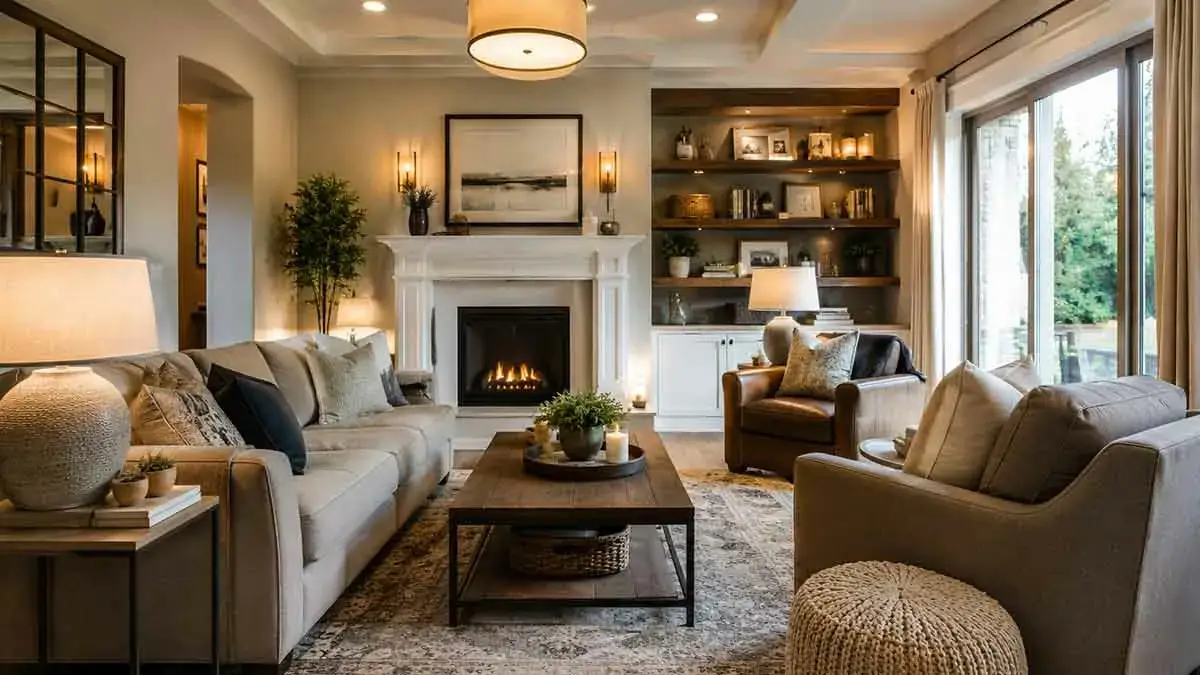
A comfortable home is more than a space with attractive furniture and stylish finishes. True comfort comes from creating an environment that feels pleasant, functional, quiet, healthy, and easy to live in every day.
Temperature, lighting, air quality, humidity, noise, furniture, storage, layout, and maintenance all influence how comfortable a home feels. Some improvements require little more than rearranging furniture or changing light bulbs, while others may involve insulation, windows, HVAC systems, or remodeling.
The most effective approach is to identify the problems that affect your daily life and address them in the right order. Functional issues such as excessive heat, drafts, poor ventilation, moisture, and noise should generally be addressed before purely decorative improvements.
This guide explains practical ways to make your home more comfortable, from simple low-cost changes to larger home improvement projects.
Table of Contents
What Makes a Home Comfortable?
Home comfort is created by several factors working together rather than by one particular feature.
Important factors include:
- Comfortable indoor temperatures
- Good indoor air quality
- Appropriate humidity
- Adequate ventilation
- Sufficient natural and artificial lighting
- Low unwanted noise
- Comfortable furniture
- Efficient storage
- Practical room layouts
- Suitable flooring
- Privacy
- Easy maintenance
- Good sleep conditions
A home can look beautiful but still feel uncomfortable if it is too hot, too cold, noisy, poorly ventilated, cluttered, or difficult to use.
Improve Your Home’s Temperature
Temperature is one of the most important aspects of indoor comfort.
A comfortable home should avoid large temperature differences between frequently occupied areas whenever possible.
Ways to improve temperature comfort include:
- Adjusting the HVAC system properly
- Improving insulation
- Sealing air leaks
- Maintaining heating and cooling equipment
- Using ceiling fans
- Improving window performance
- Managing sunlight with window treatments
Persistent hot or cold rooms can indicate problems with insulation, windows, ductwork, air distribution, or HVAC capacity. If temperature problems remain after basic adjustments, investigate the underlying cause rather than continually changing the thermostat.
Improve Insulation
Insulation reduces unwanted heat transfer between the interior and exterior of a home.
It can help reduce heat loss during cold weather and limit heat gain during hot weather.
Potential areas for improvement include:
- Attics
- Exterior walls
- Floors above unconditioned spaces
- Basement or crawlspace boundaries
- Other parts of the building envelope
The appropriate insulation strategy depends on the home’s construction, climate, existing materials, and local building requirements.
Improving insulation can also make indoor temperatures more consistent and reduce the workload on heating and cooling equipment.
Seal Air Leaks
Air leaks can create drafts and make rooms harder to heat or cool.
Common locations include:
- Doors
- Windows
- Electrical penetrations
- Plumbing penetrations
- Attic access panels
- Gaps around building components
- Other openings in the building envelope
Weatherstripping, caulk, and appropriate sealants can address many smaller leaks.
For larger or persistent air leakage problems, a professional energy assessment may help identify less obvious sources.
Use Ceiling Fans
Ceiling fans can improve perceived comfort by moving air across the skin.
They can be useful in:
- Bedrooms
- Living rooms
- Family rooms
- Covered outdoor areas where appropriate
A ceiling fan does not necessarily lower the actual room temperature. Instead, air movement can make occupants feel cooler.
Make sure ceiling fans are installed using properly rated electrical boxes and suitable structural support.
Improve Indoor Air Quality
Indoor air quality has a major effect on how comfortable a home feels.
Potential sources of indoor pollutants include:
- Cooking emissions
- Dust
- Smoke
- Cleaning products
- Combustion byproducts
- Outdoor pollutants entering the home
- Excess moisture
Ways to improve indoor air quality include:
- Using kitchen exhaust when cooking
- Operating bathroom exhaust fans
- Controlling moisture
- Keeping HVAC filters maintained
- Cleaning regularly
- Providing appropriate outdoor-air ventilation
- Addressing sources of pollution rather than relying only on air cleaning
Good ventilation and source control are important parts of maintaining a comfortable indoor environment.
Control Humidity
Humidity strongly affects how a home feels.
Excessive humidity can make warm conditions feel more uncomfortable and can contribute to condensation and moisture-related problems.
Low humidity can make indoor air feel dry and may contribute to discomfort such as dry skin or static electricity.
Depending on the climate and season, homeowners may use:
- Air conditioning
- Dehumidifiers
- Humidifiers
- Exhaust fans
- Improved ventilation
The appropriate humidity level depends on climate, season, building conditions, and occupant needs.
Improve Natural Ventilation
Natural ventilation can refresh indoor air when outdoor conditions are suitable.
Opening windows on opposite sides of a home can create cross-ventilation and improve airflow.
However, windows should not be opened simply for ventilation when outdoor temperature, humidity, weather, or air quality makes doing so undesirable.
Natural ventilation should complement, rather than replace, appropriate mechanical ventilation where the home requires it.
Upgrade Your Lighting
Lighting has a major influence on comfort and functionality.
A comfortable lighting plan usually combines several layers.
Ambient Lighting
Ambient lighting provides general illumination throughout a room.
Examples include:
- Ceiling fixtures
- Recessed lights
- Wall-mounted fixtures
Task Lighting
Task lighting provides focused illumination for activities such as:
- Reading
- Cooking
- Working
- Applying makeup
- Food preparation
Accent Lighting
Accent lighting highlights features such as:
- Artwork
- Shelving
- Architectural details
- Decorative objects
Using multiple lighting layers allows you to adjust the atmosphere and visibility according to the activity.
Use Warm Lighting in Relaxation Areas
Bedrooms, living rooms, and other relaxation areas often benefit from warmer light sources.
Warm lighting can create a softer visual atmosphere.
However, lighting should also match the activity. Kitchens, home offices, workshops, and other task-oriented spaces may require brighter or more task-focused illumination.
The goal is not to use one color temperature throughout the entire house but to select lighting that supports each room’s function.
Maximize Natural Light
Natural light can make a home feel brighter and more inviting.
Ways to improve daylight include:
- Keeping windows unobstructed
- Using appropriately sized window treatments
- Choosing lighter interior finishes
- Cleaning windows regularly
- Positioning furniture away from major windows
- Using reflective surfaces selectively
Avoid blocking windows with large furniture whenever possible.
Improve Window Treatments
Window coverings affect:
- Glare
- Privacy
- Daylight
- Heat gain
- Perceived comfort
- Visual appearance
Options include:
- Curtains
- Blinds
- Shades
- Shutters
- Solar shades
- Insulated window coverings
Choose window treatments according to the room’s orientation, sunlight exposure, privacy requirements, and climate.
Reduce Noise
Noise can make an otherwise attractive home feel uncomfortable.
Common sources include:
- Traffic
- Appliances
- HVAC equipment
- Televisions
- Footsteps
- Plumbing
- Conversations
- Outdoor activity
Possible solutions include:
- Adding rugs
- Using curtains
- Choosing upholstered furniture
- Adding bookshelves
- Improving door seals
- Using acoustic panels
- Separating noisy equipment from quiet areas
For significant noise problems, improvements to walls, ceilings, floors, doors, or windows may provide better results than simply adding decorative objects.
Add Area Rugs
Area rugs can make rooms feel warmer and more comfortable while also reducing sound reflection.
They work particularly well in:
- Living rooms
- Bedrooms
- Dining rooms
- Home offices
- Family rooms
Choose a rug large enough to visually anchor the furniture.
A rug that is too small can make a seating arrangement feel disconnected rather than more comfortable.
Use Comfortable Furniture
Furniture should support the way you actually use each room.
Consider:
- Seat depth
- Cushion firmness
- Back support
- Arm height
- Table height
- Mattress quality
- Furniture scale
A beautiful sofa is not useful if it is uncomfortable for the people using it.
Before purchasing large furniture, measure both the room and the access path through doors, hallways, and stairways.
Arrange Furniture for Better Flow
Furniture placement can significantly affect comfort.
Maintain clear pathways between:
- Entryways
- Seating areas
- Kitchens
- Dining areas
- Bedrooms
- Bathrooms
Avoid creating narrow passages or forcing people to walk directly through seating areas.
Good circulation makes a home easier to navigate and can make rooms feel larger even when the square footage does not change.
Create Dedicated Relaxation Areas
A comfortable home should provide places where people can relax.
Examples include:
- Reading corners
- Comfortable lounge chairs
- Window seats
- Small seating areas
- Meditation or quiet spaces
- Outdoor seating zones
Even a small corner can become a useful relaxation area when it has appropriate lighting, seating, and minimal clutter.
Reduce Clutter
Clutter can make a home feel stressful and difficult to use.
Instead of simply adding more storage containers, begin by reducing items that are unnecessary or rarely used.
Then organize the remaining belongings according to frequency of use.
Frequently used items should be easy to access, while seasonal or rarely used belongings can be stored in less accessible areas.
Improve Home Storage
Good storage makes everyday life easier.
Useful solutions include:
- Built-in cabinets
- Shelving
- Kitchen islands
- Storage benches
- Entryway cabinets
- Under-bed storage
- Closets with organized interiors
- Furniture with concealed storage
The best storage is easy to access and located near where the stored items are actually used.
Improve the Entryway
The entryway can influence how organized the entire home feels.
A functional entry should provide space for:
- Shoes
- Coats
- Bags
- Keys
- Everyday accessories
A bench, hooks, cabinet, shelf, or console can help prevent clutter from spreading into living areas.
Make the Bedroom More Comfortable
The bedroom should support rest and relaxation.
Consider:
- A comfortable mattress
- Supportive pillows
- Appropriate room temperature
- Effective window coverings
- Quiet surroundings
- Soft, adjustable lighting
- Minimal clutter
- Good ventilation
Keep unnecessary electronics and visually distracting objects from dominating the room.
Make the Living Room More Comfortable
The living room should accommodate the activities that happen most often.
Consider:
- Comfortable seating
- Appropriate furniture scale
- Layered lighting
- Area rugs
- Side tables
- Easy access to storage
- Clear circulation
Arrange seating to encourage conversation rather than simply pointing every chair toward a television.
Make the Kitchen More Comfortable
Kitchen comfort depends heavily on workflow.
Frequently used areas should be arranged so that cooking and cleanup require minimal unnecessary movement.
Pay attention to:
- Counter workspace
- Storage
- Appliance placement
- Lighting
- Ventilation
- Walkways
- Seating
A well-organized kitchen reduces unnecessary movement during meal preparation and makes everyday tasks easier.
Improve Bathroom Comfort
Bathroom comfort can be improved with:
- Adequate ventilation
- Good lighting
- Comfortable temperature
- Practical storage
- Slip-resistant flooring where appropriate
- Easy-to-clean surfaces
- Properly positioned fixtures
A bathroom should be functional, comfortable, and easy to maintain.
Improve Home Office Comfort
A comfortable home office should support productive work without creating unnecessary physical strain.
Consider:
- An appropriately sized desk
- A supportive chair
- Proper monitor positioning
- Task lighting
- Comfortable room temperature
- Reduced glare
- Adequate storage
- Acoustic control
Ergonomics should be considered when selecting and arranging the desk and chair.
Improve Kitchen Ventilation
Cooking can produce heat, moisture, odors, and airborne particles.
A properly designed range hood or kitchen exhaust system can help remove cooking byproducts from the home.
Use ventilation according to the appliance, installation configuration, and requirements of the home.
Where possible, exhaust should discharge appropriately to the exterior rather than simply recirculating contaminated air.
Improve Bathroom Ventilation
Bathrooms produce significant moisture.
A properly functioning exhaust fan can help remove humid air and reduce persistent condensation.
Bathroom exhaust should be directed appropriately rather than releasing moist air into an attic or enclosed building cavity.
Clean the fan and verify that it operates effectively as part of routine home maintenance.
Make Floors More Comfortable
Flooring affects both appearance and physical comfort.
Different materials provide different experiences.
Hardwood
Hardwood provides a warm, natural appearance and can work with many interior styles.
Carpet
Carpet provides softness and can help reduce sound transmission and reflection.
Tile
Tile is durable and easy to clean but can feel hard or cool underfoot.
Luxury Vinyl
Luxury vinyl can provide a practical combination of durability, maintenance, and visual versatility.
Choose flooring according to the room’s function, moisture exposure, maintenance requirements, durability needs, and personal preferences.
Add Soft Textiles
Textiles can make rooms feel softer and more comfortable.
Consider:
- Curtains
- Cushions
- Throws
- Area rugs
- Upholstered furniture
- Fabric wall treatments
These elements can also help reduce sound reflection and soften the visual character of a room.
Choose Comfortable Colors
Color can influence the visual atmosphere of a room.
Soft neutral tones can create a calm appearance, while stronger colors can add energy and personality.
The best color depends on:
- Natural light
- Room size
- Furniture
- Interior style
- Personal preference
- Desired atmosphere
Use samples before committing to large painted surfaces because colors can appear different under natural and artificial lighting.
Create Better Visual Balance
A comfortable room should not feel either overcrowded or empty.
Balance:
- Furniture
- Decorative objects
- Colors
- Patterns
- Open space
- Lighting
Leave enough negative space around major furniture pieces and circulation paths.
Visual balance can make a room feel more organized and relaxing without requiring additional furniture or decoration.
Improve Privacy
Privacy contributes significantly to comfort.
Consider:
- Curtains
- Blinds
- Frosted glass
- Interior doors
- Sliding doors
- Room dividers
- Furniture placement
Privacy solutions should match the location and function of each room.
Bedrooms and bathrooms typically require greater visual privacy, while living spaces may benefit from more flexible separation.
Improve Door and Window Performance
Older doors and windows can contribute to:
- Drafts
- Outdoor noise
- Heat gain
- Heat loss
- Temperature fluctuations
Check for:
- Damaged weatherstripping
- Gaps
- Loose hardware
- Failed seals
- Difficult operation
Replacement is not always necessary. Repairs, weatherstripping, caulking, and improved window treatments may solve some problems at a lower cost.
Keep the Home Clean and Easy to Maintain
A comfortable home should also be practical to maintain.
Choose finishes and furniture that match your lifestyle.
For high-use areas, consider:
- Washable paint
- Durable flooring
- Easy-clean fabrics
- Accessible storage
- Low-maintenance surfaces
A home that is difficult to clean can become less comfortable over time, even when its design is attractive.
Create a More Functional Layout
Sometimes discomfort is caused by the layout rather than the furniture itself.
Look for:
- Blocked pathways
- Poor furniture proportions
- Underused spaces
- Difficult kitchen workflows
- Inaccessible storage
- Furniture that interferes with doors or windows
Rearranging a room can sometimes improve comfort without any construction.
Before starting a renovation, test alternative furniture arrangements to determine whether the existing space can work better.
Improve Electrical Access
Modern homes rely on many devices.
Convenient electrical access can make rooms easier to use.
Consider outlet placement near:
- Desks
- Beds
- Kitchen counters
- Entertainment areas
- Charging stations
- Frequently used appliances
Any electrical modifications should comply with applicable electrical requirements and be performed using appropriate methods.
Use Smart Home Technology for Comfort
Smart home technology can simplify everyday routines when it solves a genuine problem.
Useful applications include:
- Programmable thermostats
- Smart lighting controls
- Automated blinds
- Occupancy-based lighting
- Temperature monitoring
- Smart ventilation controls
- Leak detection devices
Technology should make the home easier to operate rather than introduce unnecessary complexity.
Improve Sleep Comfort
Sleep comfort depends on more than the mattress.
Helpful improvements can include:
- Keeping the bedroom at a comfortable temperature
- Reducing outside light
- Controlling noise
- Choosing comfortable bedding
- Improving ventilation
- Using appropriate lighting before bedtime
- Keeping the bedroom uncluttered
Window coverings, rugs, acoustic improvements, and temperature control can all contribute to a calmer sleeping environment.
Improve Acoustic Comfort
Acoustic comfort is especially important in open-plan homes.
Large hard surfaces can reflect sound and create echo.
Soft furnishings can absorb some sound, while bookshelves, textured surfaces, rugs, and curtains can help diffuse or reduce reflections.
For significant noise problems, consider purpose-designed acoustic materials or improvements to walls, floors, ceilings, doors, and windows.
Make Outdoor Spaces More Comfortable
Comfort does not stop at the interior walls.
Outdoor living areas can become useful extensions of the home.
Consider:
- Comfortable seating
- Shade
- Outdoor lighting
- Weather-resistant textiles
- Privacy screens
- Appropriate heating or cooling solutions
- Easy access from indoor spaces
A well-designed outdoor area can provide additional space for relaxation and entertaining.
Make Small Changes First
You do not need to renovate the entire home to improve comfort.
Start with high-impact changes such as:
- Rearranging furniture
- Reducing clutter
- Improving lighting
- Sealing drafts
- Adding rugs
- Improving window treatments
- Organizing storage
- Maintaining HVAC equipment
Then evaluate whether larger improvements are still necessary.
This approach helps prevent spending money on renovations that do not address the actual source of discomfort.
Low-Cost Ways to Make Your Home More Comfortable
If you have a limited budget, focus on improvements that provide noticeable everyday benefits.
Consider:
- Decluttering
- Rearranging furniture
- Adding curtains
- Replacing harsh light bulbs
- Adding lamps
- Using area rugs
- Improving storage organization
- Sealing small drafts
- Cleaning HVAC filters
- Adding comfortable cushions and textiles
These changes can improve the feel and usability of a home without major construction.
Medium-Cost Comfort Improvements
A larger budget may allow you to consider:
- Improved window treatments
- New flooring
- Better lighting fixtures
- Additional storage
- Ceiling fans
- Improved ventilation equipment
- Interior doors
- Acoustic treatments
- Targeted insulation improvements
Prioritize projects according to the problems they solve rather than simply their visual appeal.
Larger Home Comfort Projects
Major improvements may include:
- Window replacement
- HVAC upgrades
- Significant insulation improvements
- Room remodeling
- Layout changes
- Kitchen renovations
- Bathroom renovations
- Structural improvements
- Whole-home ventilation improvements
These projects require more planning and should be evaluated based on long-term performance, cost, and the condition of the existing home.
How to Prioritize Home Comfort Improvements
Start by identifying the problems you notice every day.
Ask:
- Is the home too hot or too cold?
- Are certain rooms consistently uncomfortable?
- Is there excessive noise?
- Is indoor air stale?
- Is humidity difficult to control?
- Is poor lighting affecting how rooms are used?
- Does clutter interfere with daily activities?
- Are furniture and circulation poorly arranged?
Address functional problems before purely decorative upgrades.
A comfortable home improvement plan should focus on the issues that have the greatest effect on everyday life.
Common Home Comfort Mistakes
Focusing Only on Appearance
A beautiful home can still be uncomfortable.
Design decisions should support temperature control, lighting, acoustics, functionality, and maintenance.
Buying Furniture Without Measuring
Oversized furniture can create circulation problems and make rooms feel crowded.
Always measure before purchasing major pieces.
Ignoring Temperature Differences
One room may be comfortable while another remains too hot or too cold.
Persistent differences can indicate insulation, ductwork, window, or HVAC issues.
Using Only One Lighting Source
A single ceiling fixture rarely provides ideal lighting for every activity.
Layered lighting is usually more flexible.
Ignoring Noise
Acoustic problems can significantly reduce comfort.
Consider both the source of the noise and the surfaces that allow sound to travel or reflect.
Adding Storage Without Decluttering
More storage does not necessarily solve excessive possessions.
Reduce unnecessary items before expanding storage.
Choosing Materials Without Considering Maintenance
High-maintenance finishes can become frustrating over time.
Choose materials that match how much cleaning and upkeep you are realistically willing to perform.
Ignoring Ventilation
Poor ventilation can contribute to unpleasant odors, excessive moisture, and uncomfortable indoor conditions.
Over-Renovating
Not every comfort problem requires major construction.
Simple changes should be evaluated before committing to expensive remodeling.
How to Make Your Home More Comfortable on a Budget
A practical approach is to prioritize improvements based on impact and cost.
Step 1: Identify the Biggest Problems
Write down the issues that affect everyday life.
Step 2: Separate Functional and Cosmetic Problems
Solve temperature, moisture, ventilation, noise, lighting, and layout issues before focusing heavily on decoration.
Step 3: Look for Simple Solutions
Furniture rearrangement, draft sealing, improved lighting, and better organization can often be inexpensive.
Step 4: Set a Budget
Decide how much you can spend on immediate improvements and future projects.
Step 5: Prioritize High-Impact Areas
Focus on rooms that are used most frequently or cause the greatest discomfort.
Step 6: Compare Short-Term and Long-Term Solutions
A low-cost fix may be sufficient for a minor problem, while a persistent issue may justify investment in insulation, windows, HVAC, or remodeling.
Step 7: Evaluate the Results
After making improvements, determine whether the original problem has actually been solved.
This prevents unnecessary spending and helps guide future projects.
Home Comfort Checklist
Use this checklist when evaluating your home:
- Check indoor temperature
- Look for uncomfortable hot or cold rooms
- Inspect insulation where appropriate
- Seal noticeable air leaks
- Maintain heating and cooling equipment
- Check ventilation
- Monitor excessive humidity
- Improve lighting layers
- Maximize useful natural light
- Review window treatments
- Reduce unwanted noise
- Choose comfortable furniture
- Improve furniture circulation
- Reduce clutter
- Improve storage
- Check bedroom comfort
- Improve kitchen workflow
- Improve bathroom ventilation
- Review flooring comfort
- Add soft textiles where useful
- Choose appropriate colors
- Improve privacy
- Check doors and windows
- Simplify home maintenance
- Review electrical access
- Use smart technology where useful
- Address sleep comfort
- Improve acoustic comfort
- Make outdoor areas more usable
- Prioritize improvements according to impact and budget
Final Thoughts
Learning how to make your home more comfortable does not necessarily mean starting a major renovation. Many improvements can be achieved through better furniture placement, lighting, storage, temperature control, ventilation, window treatments, organization, and routine maintenance.
For larger comfort problems, improvements to insulation, windows, HVAC systems, flooring, acoustics, or room layouts may provide greater long-term benefits.
The most effective approach is to identify what currently makes your home uncomfortable and prioritize solutions based on impact, cost, practicality, and long-term performance.
A comfortable home should not only look good. It should maintain a pleasant environment, support everyday activities, provide adequate privacy, control noise and temperature, and make daily life easier.