
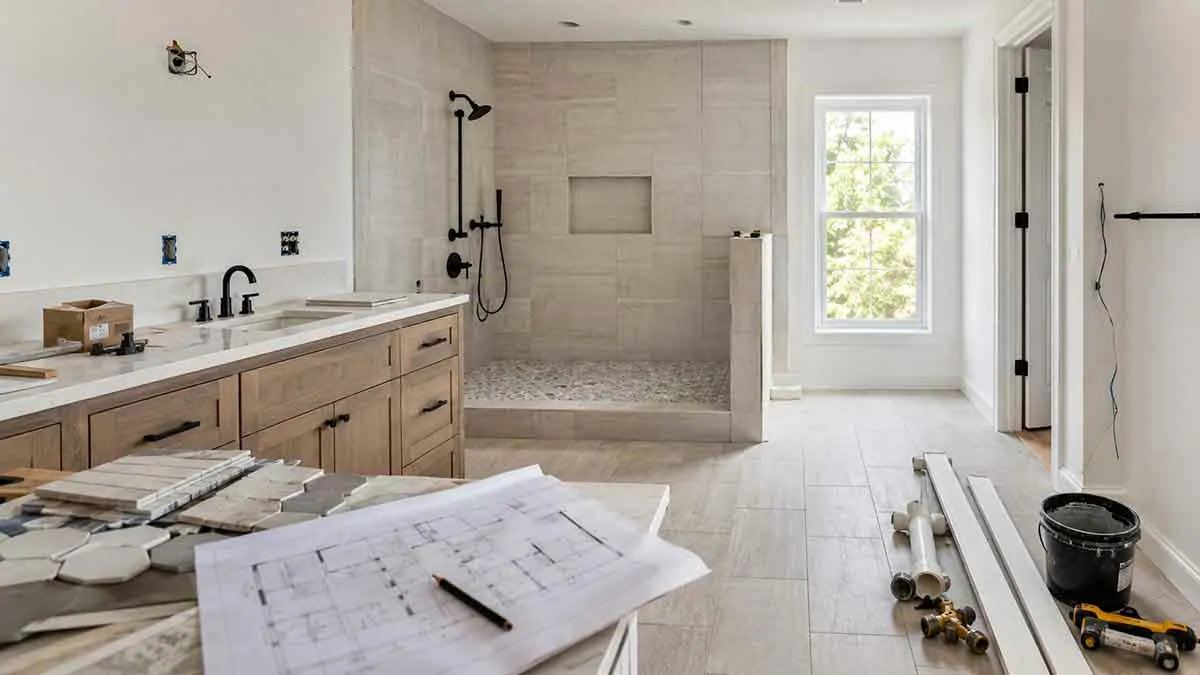
Understanding bathroom renovation cost is one of the most important steps before starting a remodeling project. A bathroom renovation can be relatively affordable when you are updating finishes and fixtures, but costs can increase substantially when the project involves plumbing changes, electrical upgrades, waterproofing, structural work, or a complete layout redesign.
The total cost depends on several factors, including the bathroom’s size, the condition of the existing space, labor rates, materials, fixtures, project complexity, and your location.
A small bathroom does not necessarily cost little to renovate. Bathrooms require specialized work, and essential components such as waterproofing, plumbing, electrical systems, and ventilation can represent a significant portion of the budget even when the room is small.
This guide explains how much a bathroom renovation can cost, what affects the price, how costs are distributed, which upgrades tend to be more expensive, and how to create a realistic renovation budget.
Table of Contents
How Much Does a Bathroom Renovation Cost?
There is no single price that applies to every bathroom renovation.
As a broad planning framework, homeowners may encounter projects ranging from several thousand dollars for a basic cosmetic update to tens of thousands of dollars for a major renovation.
A useful way to think about bathroom renovation budgets is:
- Cosmetic renovation: approximately $2,000–$8,000
- Mid-range renovation: approximately $8,000–$20,000
- Major bathroom renovation: approximately $20,000–$40,000+
- High-end or luxury renovation: $40,000+ depending on the scope
These are broad planning ranges, not guaranteed market prices.
Actual costs can vary substantially based on labor rates, location, bathroom size, materials, contractor pricing, structural conditions, and the complexity of the renovation.
For an accurate budget, obtain detailed estimates based on the actual bathroom rather than relying entirely on national averages.
Bathroom Renovation Cost by Project Scope
The scope of the renovation usually has a greater effect on cost than the room’s size alone.
Cosmetic Bathroom Renovation
A cosmetic renovation focuses mainly on appearance.
It may include:
- Painting
- New mirror
- New lighting
- Faucet replacement
- Cabinet hardware
- Accessories
- Minor vanity improvements
- Small repairs
The plumbing layout and major fixtures generally remain unchanged.
Because demolition and construction are limited, this is usually the least expensive type of bathroom renovation.
Mid-Range Bathroom Renovation
A mid-range renovation may involve replacing several major components while keeping the existing layout.
It can include:
- New vanity
- New toilet
- New flooring
- New shower or bathtub
- New tile
- New lighting
- New faucets
- New mirror
- Improved storage
- Updated ventilation
Keeping plumbing fixtures in their existing locations can help control construction costs.
Major Bathroom Renovation
A major renovation may involve removing most or all existing finishes and rebuilding the space.
It may include:
- Complete demolition
- Plumbing modifications
- Electrical upgrades
- New waterproofing
- New shower
- New bathtub
- New vanity
- New flooring
- Extensive tile
- New ventilation
- Structural modifications
- Layout changes
These projects require significantly more labor and coordination.
Luxury Bathroom Renovation
A luxury renovation can include high-end materials and custom features such as:
- Custom cabinetry
- Large-format or specialty tile
- Premium plumbing fixtures
- Frameless glass
- Heated flooring
- Custom shower systems
- Freestanding tubs
- Built-in storage
- High-end lighting
- Smart bathroom technology
The cost can increase quickly because both materials and installation may be more expensive.
Bathroom Renovation Cost by Bathroom Size
Bathroom size affects the quantity of materials and the amount of labor required, but it should not be used as the only way to estimate cost.
Small Bathroom
A small bathroom may require fewer tiles and less flooring, but essential costs such as plumbing, waterproofing, electrical work, labor, and fixtures still apply.
This means a small bathroom can have a surprisingly high renovation cost.
Medium Bathroom
A medium bathroom provides more space for:
- Larger vanities
- Bigger showers
- Additional storage
- More flooring
- More wall tile
The additional square footage can increase material and installation costs.
Large Bathroom
Large bathrooms can become significantly more expensive when they include:
- Double vanities
- Separate shower and bathtub
- Large tiled surfaces
- Custom storage
- Multiple lighting zones
- Heated floors
- Premium fixtures
A larger space also provides more opportunities for expensive design upgrades.
Bathroom Renovation Cost Breakdown
A realistic budget should separate the renovation into individual cost categories.
Demolition and Disposal
Demolition can include removing:
- Existing tile
- Flooring
- Vanity
- Toilet
- Bathtub
- Shower
- Cabinets
- Fixtures
- Drywall
The cost may also include debris removal and disposal.
If hazardous materials are discovered, specialized handling may be necessary and can substantially increase costs.
Plumbing
Plumbing costs depend heavily on whether fixtures remain in their existing positions.
Work can include:
- Water supply lines
- Drain lines
- Shower plumbing
- Bathtub plumbing
- Toilet connections
- Sink connections
- New shutoff valves
Moving a toilet or shower usually requires more work than simply replacing the existing fixture.
Electrical
Electrical work may include:
- New outlets
- Vanity lighting
- Ceiling lights
- Switches
- Exhaust fans
- Dedicated circuits
- Wiring modifications
Bathroom electrical installations must comply with applicable local safety requirements.
Waterproofing
Waterproofing is an essential part of many bathroom renovations.
It may be required around:
- Showers
- Bathtubs
- Wet walls
- Shower floors
- Tub surrounds
The waterproofing system may include membranes, shower pans, drains, and other components.
This is an area where reducing cost by using an inappropriate system or skipping necessary preparation can create expensive problems later.
Tile
Tile costs depend on both the material and installation.
Common options include:
- Ceramic
- Porcelain
- Natural stone
- Mosaic
- Large-format tile
Installation costs can increase when surfaces require extensive preparation or the design uses complicated patterns.
Flooring
Bathroom flooring may involve:
- Material
- Removal of old flooring
- Subfloor preparation
- Installation
- Waterproofing where required
- Sealing for certain materials
The final cost therefore depends on more than the price per square foot of the flooring itself.
Bathroom Renovation Labor Cost
Labor can represent a substantial portion of the total bathroom renovation budget.
A project may require several trades, including:
- General contractor
- Plumber
- Electrician
- Tile installer
- Carpenter
- Drywall installer
- Painter
- Waterproofing installer
- Glass installer
The more complex the project, the more labor and coordination it typically requires.
A general contractor may also charge for project management, scheduling, subcontractor coordination, and overhead.
When comparing estimates, do not evaluate labor prices in isolation. Consider what work is included in the quoted price.
Bathroom Fixtures and Material Costs
Fixtures can range from inexpensive standard products to premium custom options.
Major bathroom purchases may include:
- Toilet
- Vanity
- Sink
- Faucet
- Shower system
- Bathtub
- Mirror
- Lighting
- Exhaust fan
- Cabinetry
- Shower glass
- Accessories
A renovation can become significantly more expensive when several premium products are selected at the same time.
One practical way to control the budget is to decide which components deserve premium spending and where standard products are perfectly adequate.
Plumbing Costs in a Bathroom Renovation
Plumbing is one of the biggest cost variables.
Keeping the existing locations of the:
- Toilet
- Sink
- Shower
- Bathtub
can simplify the project.
Moving these fixtures can require changes to supply lines, drainage, floor penetrations, and wall construction.
The further a fixture moves from its original location, the more complicated the plumbing work can become.
For budget-conscious renovations, keeping the existing plumbing layout is often one of the most effective strategies.
Electrical Costs
Electrical improvements can become necessary when adding:
- Vanity lighting
- Additional outlets
- Exhaust fans
- Heated flooring
- New appliances
- Modern lighting systems
Older bathrooms may also require electrical upgrades to meet current requirements.
Because bathroom electrical work involves moisture and safety considerations, use qualified professionals where required.
Waterproofing Costs
Waterproofing deserves special attention because failure can cause damage behind finished surfaces.
A proper system may involve:
- Preparing the substrate
- Installing an appropriate waterproofing system
- Sealing joints and penetrations
- Properly treating corners
- Installing compatible drains and transitions
- Following the manufacturer’s installation requirements
Do not select a waterproofing approach based solely on the lowest price.
Shower and Bathtub Renovation Costs
The shower or bathtub can become one of the largest individual renovation expenses.
A shower renovation may involve:
- Shower base
- Waterproofing
- Wall tile
- Drain
- Shower valve
- Showerhead
- Glass enclosure
- Niches
- Bench
A bathtub renovation may involve:
- New tub
- Tub surround
- Plumbing
- Waterproofing
- Tile
- Faucet
- Shower system
A simple replacement is generally less complicated than building a custom tiled shower.
Vanity and Countertop Costs
Vanity costs depend on:
- Size
- Material
- Construction
- Storage configuration
- Countertop
- Sink
- Faucet
- Customization
A standard prefabricated vanity may be significantly less expensive than custom cabinetry.
If the existing vanity is structurally sound, replacing only the countertop, sink, faucet, or hardware may reduce the overall budget.
Bathroom Ventilation Costs
Good ventilation is important for controlling:
- Humidity
- Condensation
- Odors
- Moisture accumulation
A renovation may be an appropriate time to replace an outdated or ineffective exhaust fan.
The cost can increase if new ductwork or electrical work is required.
How Layout Changes Affect Bathroom Renovation Cost
Changing the layout is one of the easiest ways to increase a renovation budget.
For example, moving a toilet can require:
- New drain routing
- New water supply
- Floor modifications
- Additional demolition
- New subfloor repairs
Moving a shower or bathtub can create similar complications.
If the existing layout functions well, keeping it can provide substantial cost and scheduling advantages.
Master Bathroom Renovation Cost
A master or primary bathroom renovation is often more expensive because these rooms tend to be larger and include more features.
Possible upgrades include:
- Double vanity
- Walk-in shower
- Freestanding bathtub
- Dual sinks
- Custom cabinetry
- Heated flooring
- Premium tile
- Large mirrors
- Multiple lighting zones
The final cost depends more on the selected features and scope than on the label “master bathroom” itself.
Guest Bathroom Renovation Cost
Guest bathrooms are often smaller and have fewer fixtures.
A renovation may focus on:
- Vanity
- Toilet
- Shower or bathtub
- Flooring
- Lighting
- Tile
- Paint
- Fixtures
Keeping the existing layout can make this type of renovation relatively straightforward.
Powder Room Renovation Cost
A powder room generally contains fewer fixtures because it typically has a toilet and sink rather than a shower or bathtub.
This makes it possible to create a substantial visual improvement through:
- Vanity
- Sink
- Mirror
- Lighting
- Paint
- Flooring
- Decorative finishes
A powder room can therefore be a good candidate for a cosmetic renovation.
New Bathroom vs Bathroom Renovation
Adding a completely new bathroom is fundamentally different from renovating an existing one.
A new bathroom may require:
- New plumbing
- Drainage
- Electrical wiring
- Ventilation
- Framing
- Flooring
- Walls
- Fixtures
- Waterproofing
- Permits
- Additional construction
Renovating an existing bathroom can be less expensive when the basic structure and plumbing are suitable for reuse.
If you are considering adding a bathroom rather than remodeling an existing one, treat it as a separate construction project with its own budget and timeline.
Bathroom Renovation Cost Factors
Several factors can change the final price.
Location
Labor and contractor pricing vary between markets.
Bathroom Size
Larger bathrooms generally require more materials and labor.
Layout
Keeping the existing layout can reduce complexity.
Materials
Premium materials can significantly increase the budget.
Labor
Specialized trades may command higher rates.
Customization
Custom cabinetry, glass, tile patterns, and fixtures can increase both material and labor costs.
Existing Conditions
Hidden damage can increase the scope after demolition.
Permits
Required permits and inspections may add fees and time.
Project Timing
Contractor availability and material lead times can affect scheduling and sometimes pricing.
How Existing Conditions Increase Costs
One of the biggest risks in an older bathroom is discovering problems after demolition.
Potential issues include:
- Water-damaged framing
- Rot
- Mold
- Damaged subfloor
- Corroded plumbing
- Outdated wiring
- Poor ventilation
- Uneven surfaces
For example, replacing a floor may initially appear straightforward, but removing the old flooring could reveal a damaged subfloor that must be repaired before new materials can be installed.
A contingency reserve is therefore important.
Bathroom Renovation Permit Costs
Permit requirements vary by location.
Permits may be required for work involving:
- Plumbing
- Electrical systems
- Structural modifications
- Major alterations
The cost of permits depends on the local authority and project scope.
Before construction starts, determine:
- Which permits are required
- Who obtains them
- Who schedules inspections
- Whether additional approvals are necessary
Never assume that a contractor’s estimate automatically includes every permit or inspection fee.
How to Create a Bathroom Renovation Budget
Start by defining exactly what you want to change.
Then divide the budget into categories.
| Category | Budget |
|---|---|
| Demolition and disposal | $_____ |
| Plumbing | $_____ |
| Electrical | $_____ |
| Waterproofing | $_____ |
| Shower or bathtub | $_____ |
| Vanity and countertop | $_____ |
| Toilet | $_____ |
| Tile and flooring | $_____ |
| Lighting | $_____ |
| Ventilation | $_____ |
| Painting | $_____ |
| Fixtures and accessories | $_____ |
| Permits | $_____ |
| Contingency | $_____ |
| Total | $_____ |
This approach makes it easier to see where your money is going.
How to Reduce Bathroom Renovation Cost
You do not necessarily need to reduce quality to reduce cost.
Keep the Existing Layout
Avoid relocating plumbing unless there is a strong functional reason.
Reuse Suitable Components
If the vanity, bathtub, mirror, or other components remain in good condition, consider keeping them.
Choose Standard Sizes
Standard fixtures are often easier to source and install.
Compare Materials
Look for materials that provide the desired appearance and durability without unnecessary premium pricing.
Limit Custom Work
Custom cabinetry, glass, tile patterns, and specialty features can increase labor costs.
Plan Everything Before Demolition
Late decisions can result in change orders, material waste, and scheduling delays.
Compare Complete Quotes
Compare the entire scope rather than focusing on individual line items.
Where Should You Spend More?
Not every bathroom component deserves the same budget.
It can make sense to prioritize:
- Waterproofing
- Plumbing
- Electrical safety
- Ventilation
- Subfloor and structural repairs
- Shower or bathtub installation
- Durable flooring
- Frequently used fixtures
Decorative accessories can generally receive a lower priority when the budget is limited.
The objective is to spend more on components that affect durability, safety, moisture control, and everyday functionality.
DIY vs Professional Bathroom Renovation
Some cosmetic work can be suitable for experienced homeowners.
Potential DIY tasks include:
- Painting
- Cabinet hardware
- Simple decorating
- Some accessory installation
- Certain preparation tasks
Professional assistance is generally more appropriate for work involving:
- Plumbing
- Electrical systems
- Structural modifications
- Waterproofing
- Complex tile installation
A mistake in a bathroom can remain hidden for months before causing visible water damage, so specialized work should be approached carefully.
How to Compare Bathroom Renovation Estimates
Do not automatically choose the lowest estimate.
Compare whether each contractor includes:
- Demolition
- Disposal
- Plumbing
- Electrical
- Waterproofing
- Tile
- Flooring
- Fixtures
- Installation
- Painting
- Cleanup
- Permits
- Inspections
Also check:
- Material allowances
- Exclusions
- Payment schedule
- Project timeline
- Change-order process
- Warranty
- Contractor responsibilities
Two estimates with very different prices may simply have different scopes of work.
Common Bathroom Renovation Cost Mistakes
Focusing Only on Material Prices
A cheap tile or fixture can still produce an expensive project if installation is difficult.
Moving Plumbing Without a Clear Benefit
Relocating fixtures can add significant construction work.
Underestimating Waterproofing
Waterproofing should not be treated as an optional cosmetic expense.
Forgetting About Hidden Damage
Older bathrooms can contain problems behind walls and beneath floors.
Choosing Fixtures Before Measuring
A vanity, toilet, tub, or shower must fit the available space and connections.
Making Changes During Construction
Late design changes can increase both costs and delays.
Spending the Entire Budget
Always maintain a reasonable contingency for unexpected work.
Ignoring Ventilation
A beautiful bathroom can still develop moisture problems if ventilation is inadequate.
Is a Bathroom Renovation Worth the Cost?
A bathroom renovation can be worthwhile when it addresses meaningful problems and improves the home’s functionality.
Potential benefits include:
- Better usability
- Improved storage
- Better moisture management
- Updated fixtures
- Improved appearance
- Increased comfort
- Improved accessibility
However, not every expensive upgrade provides equal value.
Prioritize improvements that solve existing problems, improve daily use, and provide durable results.
If you plan to sell the property, consider whether the renovation matches the expectations of your local market rather than automatically selecting the most expensive finishes.
Final Thoughts
Understanding bathroom renovation cost requires looking beyond the price of tile, fixtures, or a new vanity.
Labor, plumbing, electrical work, waterproofing, demolition, ventilation, materials, permits, and hidden conditions can all influence the final budget.
The most effective way to control costs is to define the scope before construction begins, keep the existing layout when practical, select materials carefully, and compare detailed contractor estimates.
Do not cut costs on essential systems such as waterproofing, plumbing, electrical safety, ventilation, or structural repairs.
If the budget is limited, prioritize durability and functionality first and decorative upgrades second.
A well-planned bathroom renovation does not need to include every premium feature. The best result is a bathroom that fits your budget, works well for everyday use, manages moisture properly, and provides durable improvements for years to come.
Frequently Asked Questions
How much does a bathroom renovation cost?
A bathroom renovation can range from several thousand dollars for a cosmetic update to tens of thousands of dollars for a major or luxury renovation. The final cost depends on the bathroom size, scope, labor, materials, fixtures, plumbing, electrical work, and location.
What is the average cost of renovating a bathroom?
There is no reliable single average for every location. A broad planning range may be from approximately $2,000 for a basic cosmetic update to $40,000 or more for a major or high-end renovation. Local contractor estimates are more useful for establishing an actual budget.
What is the most expensive part of a bathroom renovation?
Labor, plumbing, tile installation, waterproofing, premium fixtures, and layout changes can each represent significant portions of the budget. The most expensive component varies by project.
Is it cheaper to keep the existing bathroom layout?
Often, yes. Keeping the toilet, sink, shower, and bathtub in their existing locations can reduce plumbing modifications, demolition, and construction complexity.
How can I reduce bathroom renovation costs?
Keep the existing layout, reuse suitable components, select standard-size fixtures, limit custom work, compare contractor estimates, and avoid unnecessary design changes during construction.
Does a small bathroom cost less to renovate?
Not necessarily. A small bathroom requires fewer materials, but plumbing, electrical work, waterproofing, labor, and fixtures can still represent substantial costs.
How much does a walk-in shower renovation cost?
The cost varies significantly depending on the shower size, waterproofing system, tile, drainage, glass enclosure, fixtures, niches, and labor. A custom walk-in shower generally costs more than a basic shower replacement.
Do bathroom renovations require permits?
Some bathroom renovations require permits, particularly when plumbing, electrical, structural, or major construction work is involved. Requirements vary by location.
Should I renovate my bathroom myself?
Some cosmetic tasks may be suitable for DIY, but plumbing, electrical, structural, and waterproofing work can involve significant safety and property-damage risks and may require qualified professionals.
How much should I budget for unexpected bathroom renovation costs?
A contingency reserve is advisable because demolition can reveal hidden water damage, deteriorated subfloors, plumbing problems, wiring issues, or other unexpected conditions.
Is it cheaper to refinish a bathtub than replace it?
Refinishing can be less expensive when the existing bathtub is structurally sound and its configuration still works for the bathroom. Replacement may be more appropriate when the tub is damaged, leaking, or no longer suitable for the planned design.
Should I replace my bathroom vanity during a renovation?
Replace the vanity when it is damaged, poorly configured, or lacks adequate storage. If the existing cabinet is structurally sound, updating the countertop, sink, faucet, hardware, or finish may be a more economical option.
Is a bathroom renovation worth the money?
It can be worthwhile when it improves functionality, addresses maintenance problems, improves moisture management, or increases comfort. The value depends on the home’s condition, renovation scope, local market, and your long-term plans.