
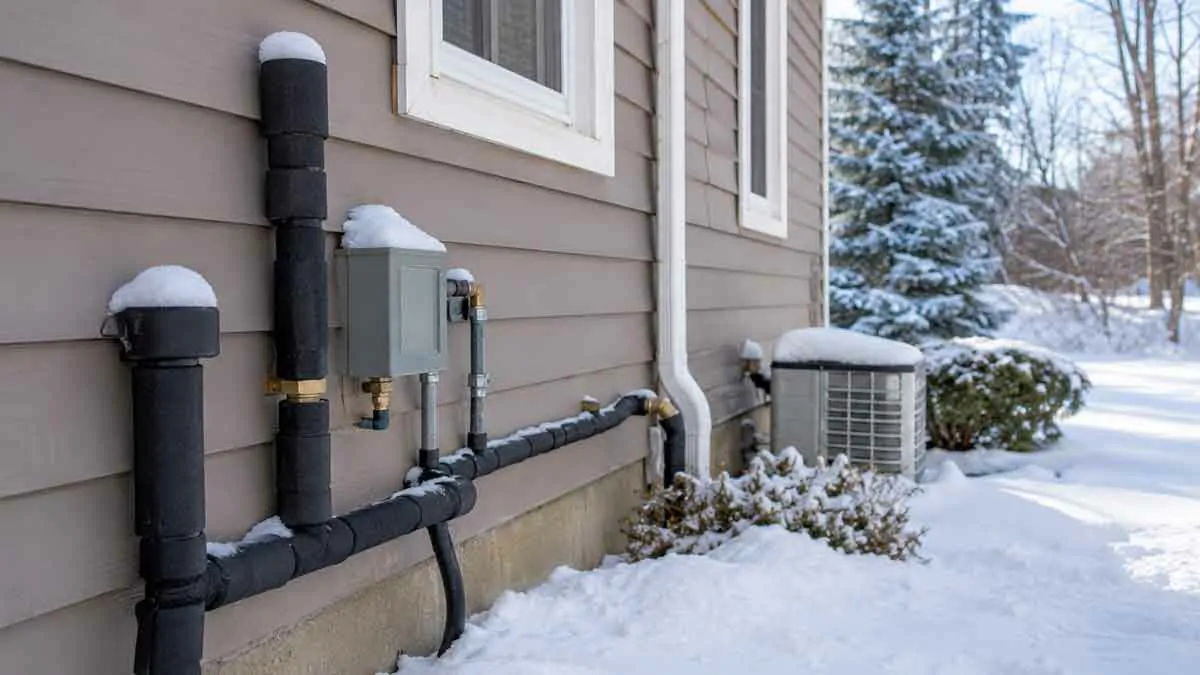
Frozen pipes are one of the most common winter plumbing problems, especially in homes located in cold climates. When water inside a pipe freezes, it expands and can create enough pressure to crack or burst the pipe. The result may be anything from a temporary loss of water to serious flooding and expensive water damage.
The good news is that frozen pipes are often preventable. With proper insulation, temperature control, and a few simple winter maintenance steps, you can significantly reduce the risk of pipes freezing inside your home.
This guide explains why pipes freeze, which pipes are most vulnerable, and the most effective ways to prevent frozen pipes during cold weather.
Table of Contents
Why Do Pipes Freeze?
Water expands when it freezes. If the temperature around a water pipe drops below freezing for long enough, the water inside can turn to ice.
As ice forms, it can block the pipe and increase pressure inside the plumbing system. The pipe does not always burst exactly where the ice blockage develops. Instead, pressure can build between the blockage and a closed faucet, causing the pipe to crack at a weaker point.
Pipes are more likely to freeze when they are exposed to:
- Extremely low outdoor temperatures
- Cold drafts
- Poor insulation
- Unheated areas of the home
- Exterior walls
- Crawl spaces
- Attics
- Garages
- Basements
Even homes in regions that do not normally experience severe winters can have frozen pipe problems during unexpected cold snaps.
Identify Pipes That Are Most at Risk
Not every pipe in your home has the same risk of freezing. The most vulnerable pipes are usually located in areas where warm indoor air does not reach them easily.
Pay special attention to pipes located in:
- Exterior walls
- Unheated basements
- Crawl spaces
- Attics
- Garages
- Under kitchen and bathroom sinks
- Areas near doors or windows
- Outdoor plumbing connections
Inspecting these areas before winter gives you time to improve insulation and address potential cold spots.
Insulate Exposed Water Pipes
One of the most effective ways to prevent frozen pipes is to add insulation around exposed plumbing.
Pipe insulation helps reduce heat loss and keeps the water inside the pipes warmer for longer periods. Foam pipe sleeves, fiberglass insulation, and other pipe insulation materials can be used depending on the location and type of pipe.
Focus first on pipes located in unheated or poorly insulated areas.
When insulating pipes:
- Cover as much of the exposed pipe as possible.
- Secure insulation properly so that it does not shift.
- Pay attention to pipe joints and bends.
- Replace damaged or wet insulation.
- Insulate both hot and cold water pipes when necessary.
Pipe insulation does not guarantee that pipes will never freeze, but it provides an important layer of protection during cold weather.
Keep Your Home at a Consistent Temperature
Maintaining a stable indoor temperature is essential during freezing weather.
Avoid lowering your thermostat too much at night or when you leave the house. A sudden drop in indoor temperature can expose plumbing to freezing conditions, especially in poorly insulated areas.
Keep the home heated consistently and make sure warm air can reach areas containing plumbing.
If you plan to leave your home for an extended period during winter, do not turn the heating system off completely. Maintaining a safe indoor temperature can help protect both your pipes and other parts of the home from cold-weather damage.
Open Cabinet Doors Under Sinks
Kitchen and bathroom pipes are often installed inside cabinets, where warm air may not circulate effectively.
During extremely cold weather, open cabinet doors beneath sinks to allow warmer air from the room to reach the pipes.
This is particularly important for sinks located against exterior walls.
Before opening cabinets, make sure cleaning chemicals, medications, or other potentially dangerous products are stored safely away from children and pets.
Seal Gaps and Cold Air Leaks
Cold drafts can significantly increase the risk of frozen pipes.
Inspect your home for gaps and openings that allow cold outdoor air to enter, especially near plumbing lines.
Common problem areas include:
- Gaps around windows
- Openings around doors
- Cracks in exterior walls
- Openings where pipes enter the home
- Poorly sealed crawl spaces
- Gaps around utility lines
Sealing these openings can help keep cold air away from vulnerable pipes while also improving overall energy efficiency.
Protect Pipes in Crawl Spaces and Basements
Crawl spaces and unfinished basements can become much colder than the main living areas of the home.
Inspect exposed plumbing in these spaces before winter arrives. Add insulation where needed and look for openings that allow cold air to enter.
In some homes, additional measures may be necessary, such as improving insulation around the space or using approved pipe heating equipment designed to protect plumbing during extremely cold conditions.
Make sure any electrical heating products are installed and used according to the manufacturer’s instructions.
Keep Garage Doors Closed
If water pipes run through your garage, keeping the garage door open during cold weather can expose those pipes to freezing temperatures.
Keep garage doors closed whenever possible during winter.
If the garage contains water supply lines, inspect the area for exposed pipes and add appropriate insulation.
You should also make sure that plumbing near walls shared with the main living area receives enough protection from cold temperatures.
Disconnect and Drain Outdoor Hoses
Outdoor plumbing is especially vulnerable to freezing.
Before freezing weather arrives, disconnect garden hoses from outdoor faucets. Leaving a hose connected can trap water inside the faucet or supply line, increasing the risk of freezing damage.
After disconnecting the hose:
- Drain any remaining water from the hose.
- Store the hose in a protected location.
- Shut off the outdoor water supply if your plumbing system has a dedicated shutoff valve.
- Drain the exterior faucet if possible.
Homes in colder climates may also benefit from frost-proof outdoor faucets or additional faucet protection.
Let Faucets Drip During Extreme Cold
During periods of severe freezing temperatures, allowing a small amount of water to flow through vulnerable pipes can help reduce the chance of freezing.
Moving water is less likely to freeze than completely stagnant water.
A slow drip from a faucet connected to an exposed or vulnerable pipe may provide additional protection during extreme cold.
However, dripping faucets should not replace proper insulation or heating. They are best used as an additional precaution when temperatures are expected to remain very low.
Maintain Proper Heating in Unused Areas
Unused rooms can still contain important plumbing.
If you close off a guest room, basement area, or other part of your home during winter, make sure the temperature does not drop too low.
Keep interior doors open when appropriate to allow warm air to circulate.
If a room contains plumbing and tends to become colder than the rest of the home, consider improving insulation or identifying the source of heat loss before winter.
Use Pipe Heating Cables When Necessary
Pipe heating cables or heat tape can provide additional protection for pipes exposed to severe cold.
These products are designed to apply controlled heat directly to vulnerable plumbing. They can be useful for pipes located in crawl spaces, garages, exterior walls, or other areas where insulation alone may not provide enough protection.
Always choose a product designed specifically for plumbing applications and follow the manufacturer’s installation instructions carefully.
Damaged or improperly installed heating equipment can create safety risks, so inspect the product regularly and replace it when necessary.
Know Where Your Main Water Shutoff Valve Is
Even with good preparation, plumbing problems can still happen.
Knowing the location of your main water shutoff valve can help you respond quickly if a pipe bursts.
Every household member who may need to respond to a plumbing emergency should know where the valve is located and how to turn off the water supply.
It is also useful to periodically check that the valve operates properly.
Quick action can significantly reduce water damage if a pipe fails.
What to Do If You Suspect a Pipe Is Frozen
Common signs of a frozen pipe include little or no water coming from a faucet during freezing weather, especially when other faucets in the home continue to work normally.
If you suspect a frozen pipe:
- Keep the affected faucet open.
- Apply gentle heat to the exposed section of the pipe if it is safe to do so.
- Increase the temperature in the surrounding area.
- Never use an open flame or other unsafe heating method.
- Check nearby pipes for signs of freezing.
- Shut off the main water supply if you discover a leak or burst pipe.
If the frozen section cannot be safely located or thawed, contact a qualified plumber.
Do not ignore a frozen pipe simply because it has not burst. Pressure inside the plumbing system may still cause damage as conditions change.
Create a Winter Plumbing Checklist
Preparing your plumbing before winter is usually easier and less expensive than dealing with a burst pipe.
Before freezing temperatures arrive, check the following:
- Insulate exposed pipes.
- Seal gaps that allow cold air into the home.
- Inspect crawl spaces, basements, attics, and garages.
- Disconnect and drain outdoor hoses.
- Protect outdoor faucets.
- Check that the heating system is working properly.
- Identify the main water shutoff valve.
- Inspect pipe insulation for damage.
- Prepare vulnerable areas for extremely cold weather.
A simple seasonal inspection can help identify weaknesses before they become serious plumbing problems.
How to Prevent Frozen Pipes When You Are Away
Leaving your home during winter requires extra preparation.
Before leaving:
- Keep the heating system running at a safe, consistent temperature.
- Avoid turning the heat completely off.
- Consider shutting off the main water supply if appropriate for your home and travel plans.
- Ask someone to check the property during extended periods of cold weather.
- Make sure vulnerable pipes are properly insulated before you leave.
The best approach depends on the design of your plumbing system and how long the property will remain unattended.
When to Call a Plumber
Some frozen pipe situations require professional help.
Contact a qualified plumber if:
- You cannot locate the frozen section.
- The pipe is inaccessible.
- You discover a crack or burst pipe.
- Water is leaking inside walls, ceilings, or floors.
- Multiple pipes are freezing.
- The problem continues despite insulation and heating improvements.
A plumber can identify vulnerable sections of the plumbing system and recommend appropriate long-term solutions.
Final Thoughts
Preventing frozen pipes requires preparation before cold weather arrives. Insulating exposed plumbing, maintaining a consistent indoor temperature, sealing cold air leaks, protecting outdoor faucets, and monitoring vulnerable areas can significantly reduce the risk of freezing.
The most effective strategy is to identify problem areas early rather than waiting until temperatures drop below freezing.
A few preventive steps can help protect your plumbing system, avoid burst pipes, and reduce the risk of costly water damage during winter.