
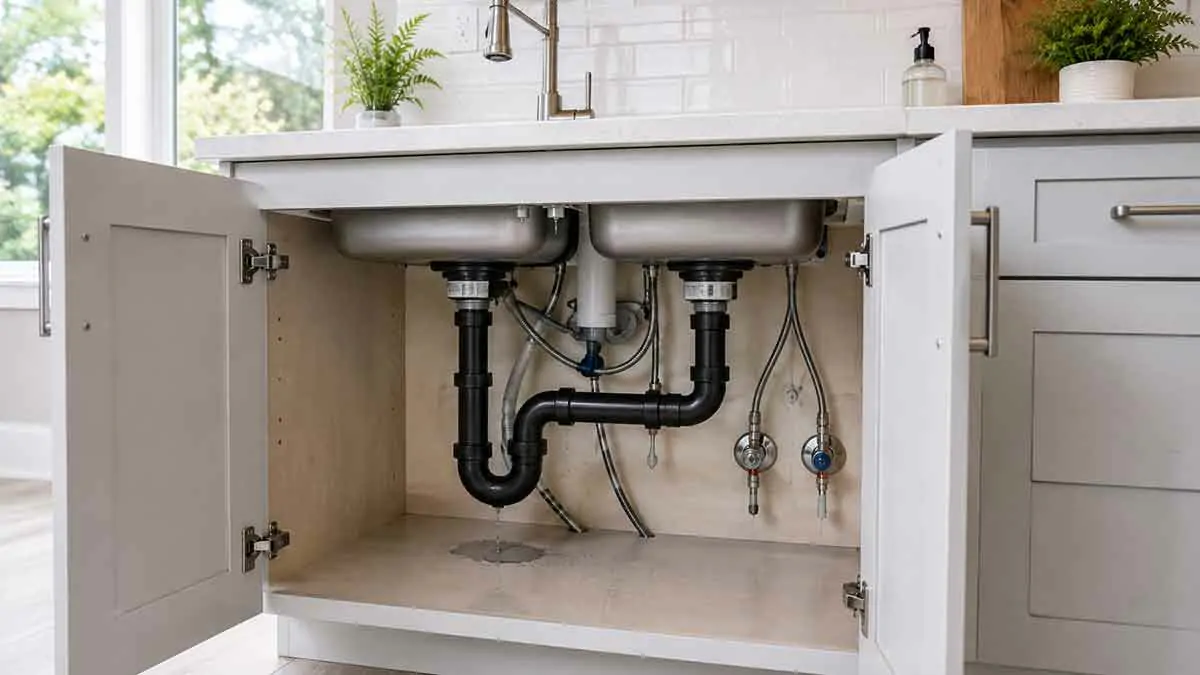
Plumbing problems are among the most common maintenance issues homeowners face. A dripping faucet, clogged drain, running toilet, low water pressure, or leaking pipe may seem like a minor inconvenience, but even a small plumbing problem can become more serious if it is ignored.
Water leaks can damage cabinets, flooring, drywall, insulation, and other building materials. Persistent moisture can also contribute to unpleasant odors and other home maintenance concerns. Problems involving sewer lines, water heaters, or burst pipes can cause even more extensive damage and may require immediate professional attention.
The good news is that many plumbing problems provide warning signs before they become major failures. Learning how to recognize those signs, perform basic troubleshooting, and maintain your plumbing system can help you address problems earlier.
This guide covers the most common plumbing problems at home, their possible causes, basic troubleshooting steps, prevention methods, and situations where professional plumbing service is recommended.
Table of Contents
What Are the Most Common Plumbing Problems at Home?
The most common household plumbing problems include:
- Leaking faucets
- Clogged and slow drains
- Running or clogged toilets
- Low water pressure
- Leaking pipes
- Water heater problems
- Sewer and drain blockages
- Plumbing odors
- Frozen or burst pipes
- Noisy pipes
- Faulty shutoff valves
- Clogged aerators and showerheads
- Discolored water
- Plumbing vent problems
Some problems affect only one fixture, while others indicate an issue with the home’s main plumbing system.
The first step is to determine whether the problem is isolated or affects multiple fixtures. This distinction can help narrow down the possible cause.
1. Leaking Faucets
A dripping faucet is easy to ignore, but it should not be considered harmless.
Common causes include:
- Worn washers
- Damaged cartridges
- Deteriorated seals
- Loose connections
- Mineral deposits
- Corrosion
If you are comfortable performing basic plumbing work, shut off the faucet’s water supply before inspecting its internal components.
A basic repair may involve replacing a worn cartridge, washer, or seal. If the faucet continues leaking after replacement, the fixture may require additional repair or replacement.
2. Clogged Drains
Clogged drains can occur in kitchens, bathrooms, showers, bathtubs, and laundry areas.
Common causes include:
- Hair
- Soap residue
- Grease
- Food particles
- Mineral buildup
- Foreign objects
A partial blockage may initially cause slow drainage before eventually becoming a complete clog.
Remove accessible debris and try an appropriate plunger when suitable. Avoid repeatedly using harsh chemical drain cleaners, particularly when the cause of the blockage is unknown.
3. Slow Drains
A slow drain is often an early indication of a developing blockage.
If water takes longer than usual to disappear, inspect the drain opening and remove visible debris. A suitable plunger may help with some simple clogs.
However, several slow drains at the same time can indicate a blockage farther down the plumbing system.
Repeated slow drainage should be investigated rather than treated as an isolated fixture problem.
4. Clogged Toilets
Toilet clogs can result from:
- Excessive toilet paper
- Foreign objects
- Drain-line blockages
- Problems farther along the waste system
A toilet plunger can often clear a simple blockage.
Avoid repeatedly flushing a clogged toilet because the bowl may overflow.
If plunging does not resolve the problem, an appropriate toilet auger may help with certain blockages. Persistent or recurring clogs may require professional diagnosis.
5. Running Toilets
A toilet that continues running after flushing can waste water continuously.
Possible causes include:
- Worn flapper
- Faulty fill valve
- Incorrect float adjustment
- Damaged flush valve
- Poorly fitting internal components
Check whether the tank components are functioning correctly. Replacing a worn flapper or other simple component may resolve the problem.
If the toilet continues running after basic adjustments, professional repair may be appropriate.
6. Low Water Pressure
Low water pressure can make showers, faucets, and other fixtures difficult to use.
Possible causes include:
- Partially closed valves
- Clogged faucet aerators
- Dirty filters
- Faulty pressure-regulating equipment
- Restricted plumbing
- Municipal supply problems
- Well-system issues
First determine whether low pressure affects one fixture or the entire home.
If only one faucet has weak flow, the problem may be local. If multiple fixtures are affected, the cause may be farther upstream.
Do not simply increase water pressure without identifying the cause.
7. Leaking Pipes
Pipe leaks can occur in visible or concealed plumbing.
Warning signs include:
- Damp areas
- Water stains
- Musty odors
- Mold or moisture damage
- Swollen materials
- Unexpected increases in water use
- Sounds of running water when fixtures are off
Visible leaks should be addressed promptly.
Hidden leaks can damage walls, ceilings, flooring, cabinets, and insulation before the source becomes obvious.
8. Leaks Under Sinks
Leaks beneath sinks commonly occur around supply lines, shutoff valves, drain connections, and other fittings.
Possible causes include:
- Loose connections
- Worn washers
- Damaged supply lines
- Corroded drain components
- Failed shutoff valves
Place a dry towel or container beneath the plumbing to help identify where water is coming from.
Minor connections may sometimes be tightened carefully, but avoid overtightening plastic or compression fittings.
9. Leaking Toilets
A toilet can leak from several locations, including the tank, supply connection, or base.
Potential causes include:
- Failed tank components
- Damaged supply line
- Worn sealing ring
- Loose connections
- Cracked tank or bowl
Water around the base of a toilet should not be ignored. Continued leakage can damage flooring and the surrounding subfloor.
If the source is unclear, have the toilet inspected rather than simply drying the surrounding area.
10. Leaking Showerheads
A showerhead that continues dripping after the shower is turned off may have a worn seal, mineral buildup, or a problem with the shower valve.
First determine where the water originates.
If the showerhead itself is damaged or clogged, cleaning or replacement may solve the issue. If water continues to enter the showerhead because the valve is not closing properly, replacing the showerhead alone will not solve the underlying problem.
11. Water Heater Problems
Water heaters are responsible for supplying hot water to many household fixtures and appliances.
Common problems include:
- Insufficient hot water
- No hot water
- Leaks
- Temperature fluctuations
- Unusual noises
- Sediment accumulation
The appropriate troubleshooting method depends on whether the system is:
- Electric
- Gas-fired
- Tankless
- Heat-pump based
- Another type of water-heating system
Always follow the manufacturer’s instructions and use qualified professionals for complex service.
12. No Hot Water
A sudden lack of hot water can have several causes.
For an electric water heater, possible causes include:
- Loss of power
- Tripped circuit breaker
- Failed heating element
- Thermostat problems
For gas equipment, possible causes may include:
- Gas supply problems
- Ignition problems
- Burner issues
- Safety-control problems
Because water heaters combine electricity or combustion with high-temperature water, homeowners should avoid unsafe repairs and seek qualified service when the cause is not obvious.
13. Water Heater Leaks
Water around a water heater should be investigated promptly.
Potential leak sources include:
- Pipe connections
- Inlet or outlet fittings
- Drain valve
- Pressure-relief valve
- Tank itself
A leak from the tank may indicate corrosion or internal failure and can require replacement.
If a significant leak develops, shut off the appropriate water and energy supply when it is safe to do so and contact a qualified professional.
14. Noises From the Water Heater
Popping, rumbling, or banging sounds can occur in some tank-style water heaters when sediment accumulates at the bottom of the tank.
Sediment can interfere with normal operation and may reduce efficiency.
Water heater maintenance varies by equipment type, so follow the manufacturer’s recommendations rather than using a universal maintenance procedure.
15. Sewer Drain Problems
Sewer-related plumbing problems often affect more than one fixture.
Warning signs include:
- Multiple slow drains
- Sewage odors
- Gurgling fixtures
- Water backing up into drains
- Wastewater returning through floor drains
When several fixtures develop problems at the same time, the issue may be located in a shared drain or sewer line.
16. Sewer Line Blockages
A blocked sewer line can prevent wastewater from leaving the home normally.
Possible causes include:
- Tree roots
- Grease buildup
- Foreign objects
- Pipe deterioration
- Collapsed pipe sections
- Heavy accumulation
Because sewer lines are often concealed, professional inspection may be necessary to locate the blockage and determine the appropriate repair.
17. Gurgling Drains
Gurgling sounds from drains can indicate that air is moving abnormally through the plumbing system.
Possible causes include:
- Partial blockage
- Drain vent problems
- Air trapped in the system
- Sewer-line restrictions
Gurgling is particularly concerning when combined with slow drainage, sewage odors, or water backups.
18. Plumbing Odors
Unpleasant odors around plumbing fixtures may originate from:
- Dry drain traps
- Organic buildup
- Sewer gases
- Blocked plumbing vents
- Drain-line problems
- Hidden leaks
If a drain has not been used for an extended period, its trap can dry out and allow odors into the home. Adding water to restore the trap seal may resolve that specific situation.
Persistent sewer-like odors should be investigated because they can indicate a plumbing or venting problem.
19. Frozen Pipes
In freezing climates, water inside plumbing pipes can freeze and expand.
The resulting pressure can damage pipes and may eventually cause them to split.
Warning signs include:
- Little or no water flow
- Frost on exposed pipes
- Bulging pipe sections
- Unexpected changes in water flow
If freezing is suspected, address it promptly. Avoid using open flames or unsafe heating devices to thaw pipes.
20. Burst Pipes
A burst pipe can release a large amount of water into the home very quickly.
If a pipe bursts:
- Shut off the main water supply if it is safe to do so.
- Open appropriate faucets to reduce pressure.
- Move valuables away from the affected area when safe.
- Avoid electrical hazards and do not enter standing water near electrical equipment.
- Contact a qualified plumber.
- Begin appropriate water-damage cleanup as soon as possible.
Rapid action can significantly reduce the extent of water damage.
21. Noisy Plumbing Pipes
Plumbing systems may produce banging, knocking, rattling, humming, or whistling sounds.
Possible causes include:
- Loose pipes
- Excessive water pressure
- Water hammer
- Restricted valves
- Air in the plumbing system
- Changes in water flow
Occasional sounds may not indicate a serious problem, but persistent or increasingly loud noises should be investigated.
22. Water Hammer
Water hammer occurs when flowing water stops or changes direction suddenly, creating a pressure wave that can produce a loud banging sound.
Potential contributing factors include:
- Fast-closing valves
- Loose pipe supports
- Excessive water pressure
- Plumbing-system design
Solutions vary depending on the plumbing system and may involve securing pipes, checking pressure, servicing valves, or installing an appropriate water-hammer control device.
23. Faulty Shutoff Valves
Shutoff valves allow homeowners to stop water flow to individual fixtures or sections of the plumbing system.
Over time, valves may:
- Corrode
- Become difficult to turn
- Leak
- Fail to close completely
Test accessible shutoff valves periodically without forcing them.
A faulty valve should be repaired or replaced before an emergency occurs, when possible.
24. Clogged Faucet Aerators
Faucet aerators can collect mineral deposits and debris.
A clogged aerator may reduce water flow even when household water pressure is normal.
Remove and clean the aerator when appropriate. If the component is damaged or heavily blocked, replacement may be easier.
25. Clogged Showerheads
Mineral deposits can restrict the small openings in a showerhead and reduce water flow.
Regular cleaning can help maintain performance.
If cleaning does not restore normal flow, the restriction may be located in the shower valve, supply plumbing, or another component.
26. Low Hot Water Pressure
If hot water has significantly weaker flow than cold water, the problem may be related to the hot-water system.
Possible causes include:
- Restricted hot-water piping
- Water-heater valve problems
- Sediment
- Mixing-valve problems
- Fixture cartridge issues
If both hot and cold water have weak flow, investigate the broader plumbing system rather than assuming the water heater is responsible.
27. Discolored Water
Yellow, brown, orange, or rusty-looking water can have several causes.
Possible explanations include:
- Pipe corrosion
- Sediment
- Disturbances in the municipal water supply
- Water-heater problems
- Plumbing work in the area
If discoloration is sudden, persistent, or accompanied by an unusual odor or other symptoms, contact the water utility or a qualified plumbing professional for guidance.
28. Low Water Flow Throughout the House
When multiple fixtures have weak flow, the problem may be located upstream of individual fixtures.
Possible causes include:
- Partially closed main valve
- Pressure-regulating equipment
- Clogged filters
- Restricted supply piping
- Municipal water-pressure problems
- Well-system issues
Determine the actual water pressure before replacing equipment or attempting to increase pressure.
29. Repeatedly Clogged Drains
A drain that repeatedly becomes clogged may have an underlying problem.
Possible causes include:
- Persistent buildup
- Damaged pipes
- Tree roots
- Improper drainage
- Inadequate venting
- Blockages farther down the system
Repeatedly treating the symptom without identifying the cause can result in recurring problems.
Avoid relying on harsh chemical drain cleaners as a long-term solution.
30. Plumbing Vent Problems
Plumbing vents help maintain appropriate pressure in the drainage system and allow sewer gases to escape through the designed vent system.
A blocked or damaged vent can contribute to:
- Slow drainage
- Gurgling sounds
- Sewer odors
- Poor drain performance
Because plumbing vents may be difficult or unsafe to access, persistent vent-related symptoms should be evaluated by a qualified plumber.
How to Troubleshoot a Plumbing Problem
A systematic approach can help you determine whether a plumbing problem is simple or requires professional attention.
Step 1: Identify Where the Problem Occurs
Determine whether the issue affects:
- One fixture
- One room
- Several fixtures
- The entire home
This can help distinguish a local fixture problem from a larger plumbing-system issue.
Step 2: Look for Visible Signs
Inspect accessible areas for:
- Water
- Stains
- Corrosion
- Dampness
- Swollen materials
- Unusual odors
Step 3: Check Accessible Valves
Make sure relevant shutoff valves are fully open and functioning.
Do not force a valve that is stuck.
Step 4: Check Simple Restrictions
For low flow, inspect:
- Faucet aerators
- Showerheads
- Accessible filters
- Drain openings
Step 5: Check Whether Other Fixtures Are Affected
If multiple fixtures develop similar symptoms, the problem may be farther upstream.
Step 6: Control the Water Source When Necessary
For an active leak, shut off the appropriate fixture valve or main water supply when safe.
Step 7: Decide Whether Professional Diagnosis Is Needed
If the problem involves concealed plumbing, sewer lines, major leaks, gas equipment, or recurring failures, professional diagnosis is usually the safer choice.
DIY Plumbing Repairs You May Be Able to Handle
Some basic plumbing maintenance tasks can be appropriate for homeowners with suitable tools and experience.
Examples include:
- Cleaning faucet aerators
- Cleaning showerheads
- Replacing a toilet flapper
- Clearing a simple drain
- Replacing an accessible faucet cartridge
- Tightening a minor fitting carefully
- Replacing a damaged supply hose
Always shut off the appropriate water supply before beginning a repair.
If you are unsure about the procedure or cannot identify the source of the problem, stop rather than risk creating a larger leak.
Plumbing Problems That Usually Require a Professional
Professional plumbing assistance is recommended for:
- Burst pipes
- Hidden leaks
- Sewer-line blockages
- Major water heater failures
- Gas-related water-heater problems
- Severe pipe corrosion
- Main water supply problems
- Significant pressure problems
- Repeated drain blockages
- Concealed plumbing repairs
- Major plumbing renovations
Professional diagnosis is particularly important when the source of the problem cannot be identified.
How to Prevent Common Plumbing Problems
Routine maintenance can reduce the likelihood of many plumbing problems.
Inspect for Leaks
Check visible plumbing beneath sinks, around toilets, near appliances, and around water-heating equipment.
Keep Grease Out of Drains
Cooking grease can accumulate inside drain pipes and contribute to blockages.
Allow grease to cool and dispose of it appropriately instead of pouring it down the sink.
Use Drain Screens
Drain screens can help keep hair, food particles, and other debris from entering plumbing.
Flush Only Appropriate Materials
Toilets should not be treated as general waste-disposal systems.
Only flush materials appropriate for your plumbing system and local wastewater requirements.
Maintain the Water Heater
Follow the manufacturer’s maintenance recommendations and monitor the equipment for leaks, corrosion, or unusual operation.
Monitor Water Pressure
Unusually high or low pressure can indicate a problem with the supply system, regulator, plumbing, or municipal service.
Know the Main Shutoff Location
Knowing how to shut off the home’s main water supply can limit damage during a plumbing emergency.
When Is a Plumbing Problem an Emergency?
Some plumbing problems require immediate action.
Treat a situation as urgent when you have:
- A burst pipe
- Rapid flooding
- A major uncontrolled leak
- Sewage backup
- Water near electrical equipment
- A significant water-heater leak
- A gas-related plumbing concern
The first priority is to protect people and control the water or energy source when it is safe to do so.
Do not enter standing water near electrical equipment, and leave gas-related problems to qualified professionals and emergency services when appropriate.
How to Find the Main Water Shutoff Valve
The main water shutoff valve is commonly located near the point where the main water supply enters the house.
Depending on the property, it may be located in:
- A basement
- Utility room
- Garage
- Crawl space
- Near the water meter
- An exterior service area
The exact location varies by home and local plumbing configuration.
Once you find the valve, make sure household members know where it is and keep the surrounding area accessible.
Common Plumbing Mistakes to Avoid
Ignoring Small Leaks
A small leak can damage surrounding materials and become more serious over time.
Using Excessive Chemical Drain Cleaners
Chemical drain cleaners may create hazards and can be unsuitable for some plumbing systems. They also do not necessarily address the underlying cause of repeated clogs.
Overtightening Connections
Excessive force can damage fittings, threads, seals, and valves.
Increasing Water Pressure Without Diagnosis
Higher pressure is not always the solution. Excessive pressure can place additional stress on plumbing components.
Ignoring Repeated Clogs
A recurring blockage may indicate a deeper plumbing problem.
Painting Over Water Damage
Covering stains without finding the source of the moisture can allow hidden damage to continue.
Attempting Complex Repairs Without Experience
Incorrect plumbing repairs can cause leaks, property damage, and safety hazards.
Plumbing Maintenance Checklist
Use this checklist as part of your regular home maintenance routine:
- Check faucets for leaks
- Inspect visible plumbing
- Clean faucet aerators
- Clean showerheads
- Check toilets for running water
- Inspect under-sink connections
- Monitor water pressure
- Check water-heater performance
- Look for water stains
- Check drains for slow flow
- Keep grease out of drains
- Use drain screens
- Test accessible shutoff valves carefully
- Know the main water shutoff location
- Protect exposed pipes in freezing weather
- Monitor unusual plumbing odors
- Watch for gurgling drains
- Inspect visible supply lines
- Address leaks promptly
- Investigate recurring plumbing problems
Final Thoughts
Common plumbing problems at home range from simple faucet leaks and clogged drains to more serious issues involving water heaters, sewer lines, supply pipes, and hidden leaks.
The most effective approach is to identify the source of the problem before attempting a repair. Simple issues such as clogged aerators, running toilets, and minor fixture leaks may be manageable with basic maintenance, while concealed leaks, sewer problems, burst pipes, gas-related equipment, and major water damage generally require professional assistance.
Regular inspections can help homeowners identify warning signs before they become expensive repairs. Check visible plumbing, monitor water pressure, maintain fixtures, protect pipes from freezing, and respond quickly when leaks or drainage problems appear.
Good plumbing maintenance is ultimately about prevention. Addressing small problems early can reduce water waste, protect the home from moisture damage, and help keep the plumbing system reliable for years to come.