
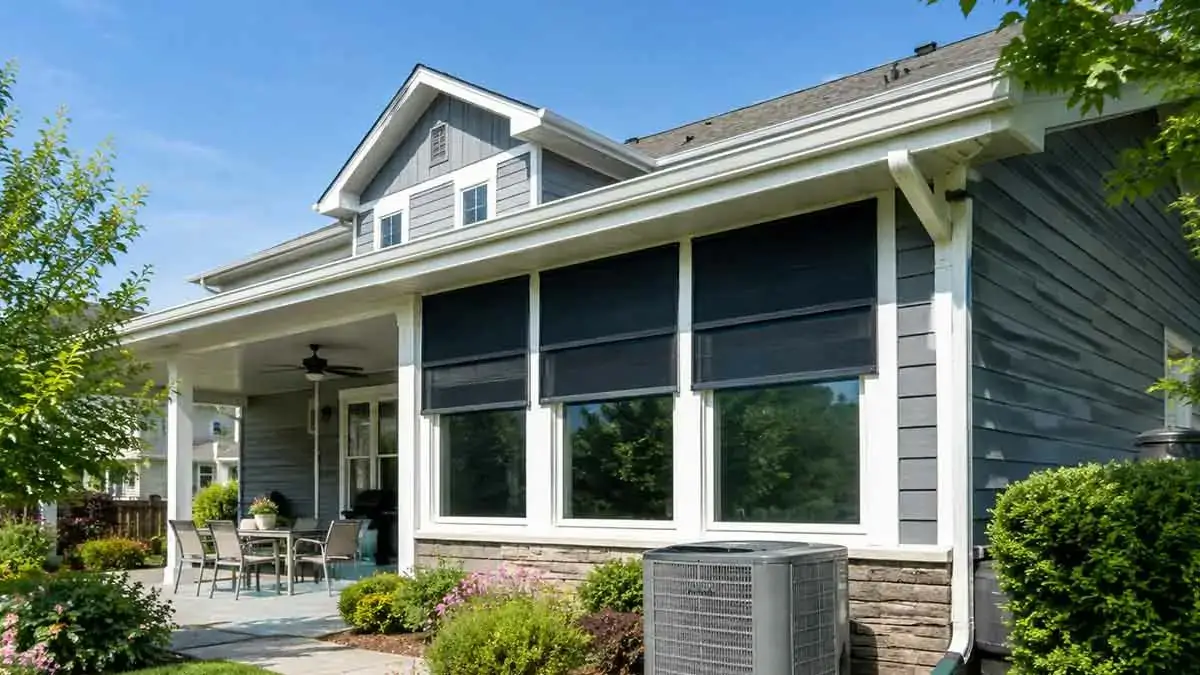
Preparing your home for summer can help improve comfort, reduce unnecessary energy use, and prevent maintenance problems caused by heat, humidity, storms, and increased outdoor activity.
Summer can place additional demands on air conditioning systems, electrical equipment, plumbing, roofing materials, exterior surfaces, and drainage systems. Hot weather can also make existing insulation, ventilation, and air-sealing problems more noticeable.
The best time to prepare your home is before the hottest part of the season. A basic inspection can help identify problems with cooling, moisture control, drainage, windows, doors, outdoor areas, and safety equipment before they become more expensive or disruptive.
This guide explains how to prepare your home for summer, including cooling system maintenance, energy-saving improvements, moisture control, exterior maintenance, storm preparation, and practical seasonal tasks.
Table of Contents
Why Summer Home Preparation Matters
Summer weather can affect both the interior and exterior of a home.
Preparing your home can help:
- Improve indoor comfort
- Support efficient cooling
- Reduce unnecessary energy use
- Control indoor humidity
- Prevent moisture problems
- Protect roofing and exterior materials
- Improve drainage
- Prepare for summer storms
- Reduce pest entry
- Make outdoor areas safer
The exact preparation required depends on your climate. Hot and humid regions may require more attention to air conditioning, moisture, ventilation, and mold prevention, while dry climates may require greater emphasis on heat management, landscaping, and water conservation.
Start With a Whole-Home Inspection
Before summer begins, walk through the home and inspect major systems.
Check:
- Air conditioning
- Windows
- Doors
- Roof
- Gutters
- Downspouts
- Attic
- Plumbing
- Foundation
- Garage
- Outdoor areas
- Electrical equipment
- Safety alarms
Create a maintenance list and prioritize problems involving cooling, water intrusion, electrical safety, and structural damage.
Prepare the Air Conditioning System
Air conditioning is often one of the most important systems during summer.
Before heavy use begins:
- Test the system
- Check airflow
- Inspect accessible components
- Clean or replace filters
- Check the outdoor unit
- Remove nearby debris
- Schedule professional maintenance when necessary
Pay attention to unusual sounds, weak airflow, unpleasant odors, or rooms that remain consistently warmer than others.
If the system struggles to cool the home, have it evaluated rather than continuously lowering the thermostat.
Replace or Check HVAC Filters
A dirty air filter can restrict airflow and reduce HVAC performance.
Check the filter according to the manufacturer’s recommendations and replace or clean it when appropriate.
The correct replacement interval varies by filter type, system design, household conditions, and usage.
Check Airflow and Vents
Make sure supply and return vents are not blocked by:
- Furniture
- Curtains
- Rugs
- Storage items
Poor airflow can make cooling less effective and may cause some rooms to remain warmer than others.
If airflow problems persist, the cause may involve ductwork, equipment performance, insulation, or system design.
Inspect the Condensate Drain
Air conditioning systems produce condensation that needs to drain properly.
Inspect accessible condensate drainage for:
- Water around the indoor unit
- Overflowing drain pans
- Blockages
- Damp surrounding materials
- Repeated moisture
A blocked condensate drain can cause water damage.
Persistent drainage problems should be handled by a qualified HVAC professional.
Check Refrigerant and Cooling Problems
If an air conditioner does not cool properly, several issues may be responsible.
Possible causes include:
- Restricted airflow
- Dirty components
- Refrigerant problems
- Electrical faults
- Duct leakage
- Equipment wear
Do not attempt to handle refrigerant or complex electrical work yourself.
A qualified HVAC professional can diagnose the system and determine the appropriate repair.
Improve Home Insulation
Good insulation helps reduce unwanted heat transfer between the outdoors and living spaces.
Check accessible areas such as:
- Attic insulation
- Exterior walls where accessible
- Around attic access points
Insufficient or damaged insulation can make cooling more difficult.
The appropriate insulation level depends on the building design, climate, and local construction requirements.
Reduce Air Leaks
Air leaks can allow hot outdoor air to enter the home and conditioned air to escape.
Common locations include:
- Windows
- Exterior doors
- Attic access panels
- Utility penetrations
- Baseboards
- Plumbing penetrations
Weatherstripping and appropriate caulking can address some smaller leaks.
Larger air-sealing problems may require a professional energy assessment.
Check Windows and Doors
Inspect windows and doors before the hottest part of summer.
Look for:
- Damaged weatherstripping
- Failed caulking
- Cracked glass
- Gaps
- Damaged frames
- Poorly operating locks or latches
Well-maintained openings can improve comfort and help reduce unwanted air exchange.
Use appropriate shades, blinds, or curtains where practical to reduce direct solar heat gain.
Manage Indoor Humidity
Summer humidity can make indoor temperatures feel higher and create moisture problems.
Monitor indoor humidity and watch for:
- Condensation
- Musty odors
- Damp surfaces
- Mold-like growth
- Persistent moisture
Air conditioning often removes some moisture as it cools the air, but persistent humidity problems may require additional evaluation or dehumidification.
Improve Bathroom Ventilation
Bathrooms can become especially humid during summer.
Use exhaust fans during showers and allow them to operate afterward according to the ventilation system’s design.
Also:
- Repair plumbing leaks
- Dry wet surfaces
- Maintain appropriate airflow
- Inspect caulking
- Address persistent condensation
Effective bathroom ventilation can help reduce moisture accumulation.
Prepare the Kitchen for Summer
Cooking can add heat and moisture to the home.
Use an appropriately vented range hood or kitchen exhaust system when cooking.
Additional measures include:
- Using lids on pots
- Ventilating when appropriate
- Fixing sink leaks
- Maintaining refrigerators and other appliances
- Keeping moisture-prone surfaces dry
During very hot weather, reducing unnecessary indoor heat production can also make the cooling system’s job easier.
Inspect the Attic
Summer heat can make attics extremely hot.
Inspect accessible areas for:
- Roof leaks
- Wet insulation
- Pest activity
- Damaged insulation
- Excessive heat buildup
- Blocked ventilation
Do not enter an extremely hot attic without appropriate precautions.
Check Attic Ventilation
Proper attic ventilation helps manage heat and moisture.
Check that intended ventilation openings are not blocked by insulation or debris.
Persistent attic heat or moisture problems may indicate issues with ventilation, insulation, air leakage, or roofing.
A professional assessment may be appropriate when the cause is unclear.
Inspect the Roof
Summer is a useful time to identify roof problems before the next severe-weather event.
From a safe location, inspect for:
- Missing roofing materials
- Cracks
- Curling or damaged shingles
- Loose flashing
- Damaged vents
- Debris
- Signs of water intrusion
Do not walk on a roof unnecessarily, particularly when surfaces are hot or steep.
Use a qualified roofing professional for detailed inspections and repairs.
Clean and Inspect Gutters
Gutters remain important during summer because thunderstorms can produce large amounts of rain in a short period.
Remove:
- Leaves
- Twigs
- Seeds
- Dirt
- Other debris
Then check for:
- Sagging
- Leaks
- Loose fasteners
- Cracks
- Detached sections
Make sure water can flow toward the downspouts.
Check Downspouts and Exterior Drainage
Downspouts should direct rainwater away from the foundation.
Check that they are:
- Clear
- Properly connected
- Positioned appropriately
- Able to discharge water safely
Also inspect the surrounding ground for standing water, erosion, or drainage problems.
Recurring water near the foundation may require professional evaluation.
Inspect the Foundation
Summer storms can expose foundation drainage problems.
Look for:
- Cracks
- Water stains
- Damp areas
- Efflorescence
- Soil erosion
Not every foundation crack indicates a serious structural problem, but persistent water intrusion should be investigated.
Prepare Outdoor Plumbing
Inspect outdoor plumbing before frequent summer use.
Check:
- Exterior faucets
- Hose connections
- Irrigation components
- Exposed pipes
- Outdoor drains
Look for leaks, damaged fittings, and unusual water loss.
Repair leaks promptly to avoid wasting water and creating moisture problems around the home.
Check the Water Heater
Inspect the water heater for visible signs of problems.
Look for:
- Leaks
- Corrosion
- Dampness
- Damaged connections
- Unusual noises
Follow the manufacturer’s maintenance recommendations.
Gas, electrical, and significant plumbing work should be performed by qualified professionals.
Inspect Outdoor Faucets and Hoses
Before using outdoor faucets frequently, check for:
- Dripping connections
- Cracked hoses
- Damaged fittings
- Leaking faucets
A small outdoor leak can waste water and create persistent moisture near walls or foundations.
Prepare the Lawn and Landscaping
Summer landscaping should be appropriate for the local climate and water availability.
Consider:
- Adjusting irrigation schedules
- Checking sprinkler coverage
- Repairing irrigation leaks
- Maintaining appropriate plant spacing
- Mulching where suitable
- Monitoring areas where water accumulates
Avoid directing excessive irrigation toward the foundation.
Trim Trees and Vegetation
Summer storms can turn weak branches into hazards.
Inspect trees for dead, damaged, or unstable branches that could fall onto:
- The roof
- Vehicles
- Walkways
- Outdoor structures
- Utility lines
Large or hazardous tree work should be performed by qualified professionals.
Keep vegetation from obstructing gutters, vents, outdoor equipment, or drainage paths.
Inspect the Deck and Patio
Outdoor living areas receive increased use during summer.
Inspect decks and patios for:
- Loose boards
- Rot
- Cracks
- Loose railings
- Damaged fasteners
- Uneven surfaces
For elevated decks, pay particular attention to structural connections and railing stability.
Repair unsafe conditions before regular use.
Prepare Outdoor Furniture
Inspect outdoor furniture before placing it into regular use.
Check for:
- Rust
- Loose fasteners
- Damaged frames
- Broken components
- Unstable legs
Follow manufacturer recommendations for cleaning and storage.
Inspect the Driveway and Walkways
Summer is a good time to address surface problems.
Look for:
- Cracks
- Uneven sections
- Loose pavers
- Drainage problems
- Damaged steps
Repair hazards that could cause trips or worsen during future weather conditions.
Check Exterior Lighting
Inspect outdoor lighting around:
- Entrances
- Walkways
- Stairs
- Driveways
- Patios
- Garages
Replace failed bulbs and repair damaged fixtures.
Outdoor electrical problems should be evaluated by qualified professionals when necessary.
Inspect Screens and Doors
Summer often means more open windows and exterior doors.
Inspect screens for:
- Holes
- Tears
- Loose frames
- Damaged seals
Repairing screens can help improve ventilation while reducing insect entry.
Also check exterior doors for proper operation and sealing.
Prepare for Summer Storms
Thunderstorms, heavy rain, strong winds, hail, and flooding can occur during summer.
Before storm season:
- Clean gutters
- Check downspouts
- Inspect the roof
- Trim hazardous branches
- Secure loose outdoor items
- Check drainage
- Review emergency supplies
Avoid outdoor maintenance once severe weather has already arrived.
Check the Electrical System
Summer often increases electricity use because of air conditioning, fans, outdoor equipment, and other appliances.
Watch for:
- Frequently tripped breakers
- Warm outlets
- Burning odors
- Damaged cords
- Flickering lights
Do not overload outlets or use damaged electrical equipment.
Have persistent electrical problems evaluated by a qualified electrician.
Improve Home Energy Efficiency
Several simple improvements can reduce cooling demands.
Consider:
- Improving attic insulation
- Sealing appropriate air leaks
- Using window coverings
- Maintaining HVAC equipment
- Using ceiling fans appropriately
- Reducing unnecessary indoor heat
Energy improvements should be evaluated based on the home’s design and climate rather than applying the same solution to every property.
Prepare for Power Outages
Summer storms can cause temporary power interruptions.
Keep accessible:
- Flashlights
- Spare batteries
- Portable charging equipment
- Basic emergency supplies
Know how to safely access the electrical panel and water shutoff.
If you use a generator, follow the manufacturer’s instructions and applicable safety requirements.
Never operate a fuel-burning generator indoors, in a garage, or in another enclosed space because of carbon monoxide hazards.
Check Smoke and Carbon Monoxide Alarms
Test smoke and carbon monoxide alarms according to manufacturer instructions.
Replace batteries and alarms when required.
Do not disable an alarm simply because it activates unexpectedly. Investigate the cause.
Control Pests During Summer
Warm weather can increase insect and pest activity.
Inspect for openings around:
- Windows
- Doors
- Utility penetrations
- Vents
- Foundation areas
Keep food stored appropriately and address standing water around the property where practical.
Seal appropriate entry points without blocking intentional ventilation or drainage openings.
Prepare the Garage
Summer garage preparation includes checking:
- Garage door operation
- Door seals
- Safety sensors
- Ventilation
- Lighting
- Stored chemicals and equipment
- Water leaks
Keep flammable or hazardous materials stored according to their labels and local requirements.
Do not attempt repairs involving high-tension garage door springs or cables without appropriate training.
Summer Home Preparation on a Budget
You do not need to complete every possible improvement before summer.
If your budget is limited, prioritize tasks that prevent major damage and improve essential systems.
A practical order is:
- Test and maintain the air conditioning system
- Address water leaks
- Clean gutters and check drainage
- Inspect the roof
- Check electrical safety
- Reduce significant air leaks
- Address dangerous tree branches
- Improve insulation where needed
- Prepare emergency supplies
- Complete cosmetic outdoor projects afterward
Preventive maintenance generally deserves priority over appearance-focused upgrades.
Common Summer Preparation Mistakes
Waiting Until the Hottest Weather
HVAC problems are more disruptive when the cooling system is already under heavy demand.
Ignoring Condensate Drainage
A blocked air conditioner drain can cause indoor water damage.
Neglecting Gutters
Summer storms can overwhelm clogged or damaged gutters.
Overwatering Near the Foundation
Excess irrigation can contribute to soil and foundation moisture problems.
Ignoring Attic Ventilation
Poor attic moisture and heat management can affect the roof and insulation.
Blocking HVAC Vents
Furniture and other objects can restrict airflow and reduce cooling performance.
Using Damaged Electrical Equipment Outdoors
Damaged cords, outlets, or equipment can create serious electrical hazards.
Doing Roof or Tree Work in Unsafe Conditions
Heat, storms, heights, and unstable branches can make certain maintenance tasks dangerous.
DIY vs. Professional Summer Preparation
Many basic preparation tasks can be completed by homeowners.
Suitable DIY Tasks
These may include:
- Replacing HVAC filters
- Testing alarms
- Checking visible drafts
- Cleaning accessible gutters safely
- Inspecting screens
- Checking outdoor hoses
- Preparing emergency supplies
- Inspecting outdoor furniture
- Monitoring indoor humidity
Tasks Better Left to Professionals
Professional assistance may be appropriate for:
- HVAC repairs
- Refrigerant service
- Electrical repairs
- Roof repairs
- Structural deck repairs
- Major plumbing work
- Foundation water problems
- Hazardous tree trimming
- Difficult gutter work
Do not attempt high-risk work simply to avoid the cost of professional service.
Summer Home Preparation Checklist
Use this checklist before the hottest part of the season:
- Test the air conditioning system
- Check or replace HVAC filters
- Inspect airflow
- Check the condensate drain
- Inspect the outdoor HVAC unit
- Check attic insulation
- Inspect attic ventilation
- Reduce appropriate air leaks
- Check windows and doors
- Monitor indoor humidity
- Improve bathroom ventilation
- Inspect the roof
- Clean gutters
- Check downspouts
- Inspect exterior drainage
- Check the foundation
- Inspect outdoor faucets
- Check hoses and irrigation
- Repair outdoor plumbing leaks
- Inspect the water heater
- Maintain landscaping
- Trim hazardous tree branches
- Inspect the deck and patio
- Check outdoor furniture
- Inspect driveways and walkways
- Check exterior lighting
- Repair window screens
- Prepare for summer storms
- Check electrical equipment
- Improve energy efficiency where appropriate
- Prepare for power outages
- Test smoke alarms
- Test carbon monoxide alarms
- Check for pest entry points
- Inspect the garage
- Prepare emergency supplies
Final Thoughts
Preparing your home for summer is mainly about getting essential systems ready before heat, humidity, storms, and increased outdoor activity put additional demands on the property.
Start with the air conditioning system, airflow, insulation, windows, and indoor humidity. Then inspect the roof, gutters, downspouts, foundation, outdoor plumbing, landscaping, electrical equipment, and exterior living areas.
Prioritize repairs that affect safety, cooling, drainage, water intrusion, and structural protection. Simple preventive maintenance can often identify problems before they become expensive repairs.
A well-prepared home can stay more comfortable during hot weather, manage moisture more effectively, handle summer storms better, and reduce avoidable maintenance problems throughout the season.