
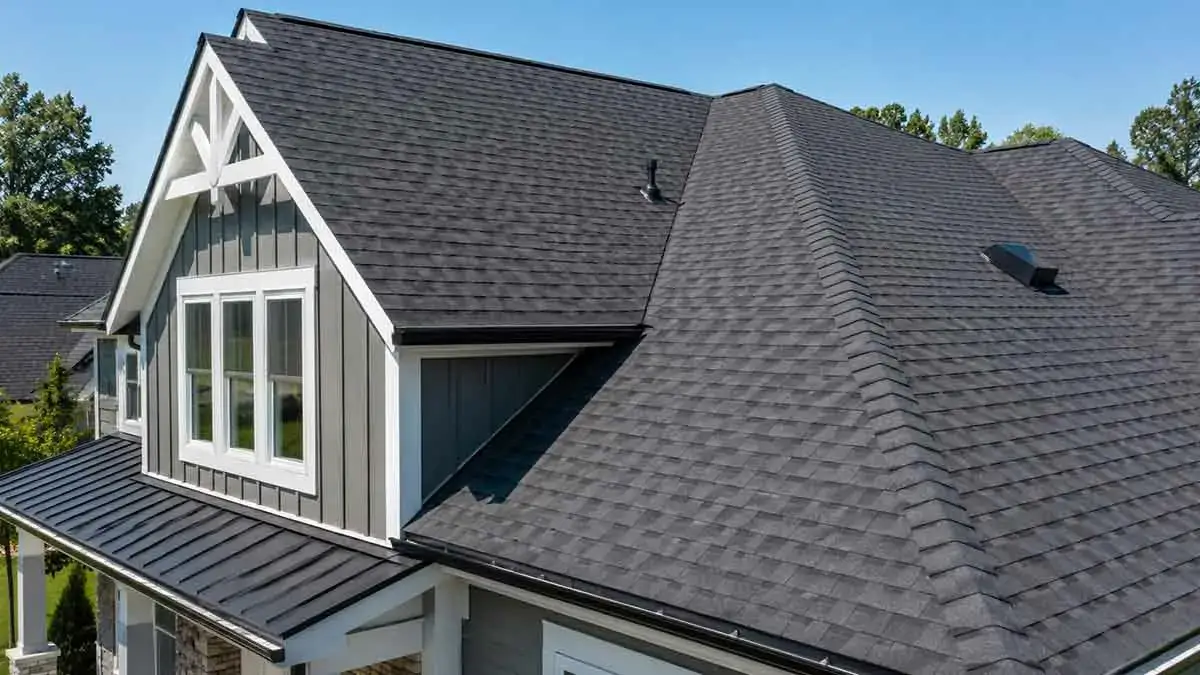
Your roof is one of the most important protective systems in your home. It helps shield the structure from rain, wind, sunlight, snow, ice, and other weather conditions while protecting the attic, walls, ceilings, insulation, and interior spaces.
Regular roof maintenance can help identify problems before they become major repairs. Simple steps such as keeping gutters clear, inspecting visible roofing materials, checking for leaks, maintaining attic ventilation, and trimming nearby trees can help protect the roof and extend its useful service life.
However, roof maintenance should always be approached with safety in mind. Homeowners can perform many visual checks from the ground, but steep, wet, damaged, or difficult-to-access roofs should be inspected by a qualified roofing professional.
This roof maintenance guide explains how often to inspect your roof, what to look for, how to prevent common problems, seasonal maintenance considerations, and when professional roof service may be necessary.
Table of Contents
Why Roof Maintenance Is Important
Roof problems do not always become visible inside the home immediately. A small defect in a shingle, flashing component, seal, or roof penetration can allow water to reach materials underneath the roofing system.
If the problem remains unnoticed, moisture can eventually contribute to:
- Damaged sheathing
- Wet insulation
- Ceiling stains
- Wall damage
- Mold or microbial growth
- Wood deterioration
- Interior water damage
Regular maintenance helps you identify potential problems while they are still manageable.
A consistent roof maintenance routine can help you:
- Detect leaks early
- Protect the home’s structure
- Extend the useful life of roofing materials
- Maintain proper drainage
- Reduce moisture problems
- Identify storm damage
- Prevent avoidable deterioration
- Plan repairs before they become emergencies
Roof maintenance cannot eliminate the need for eventual replacement, but it can help reduce premature deterioration and unexpected repair costs.
How Often Should You Inspect Your Roof?
There is no universal maintenance schedule for every roof. The appropriate frequency depends on the roofing material, climate, roof age, tree coverage, roof design, and exposure to severe weather.
As a practical guideline, homeowners should perform a basic visual inspection at least twice a year, commonly in spring and fall.
Additional inspections may be appropriate:
- After severe storms
- After strong winds
- After hail
- After heavy snow or ice
- When a leak appears
- When interior water stains develop
- When nearby trees lose or break large branches
Older roofs and roofs exposed to harsh weather may require more frequent professional evaluation.
Inspect the Roof From the Ground
A basic roof inspection does not require climbing onto the roof.
From the ground, inspect visible areas for:
- Missing shingles
- Cracked or broken roofing materials
- Curling or buckling
- Sagging areas
- Damaged flashing
- Excessive moss or algae
- Debris accumulation
- Damaged roof vents
Binoculars can help you inspect areas that are difficult to see clearly.
If you notice significant damage, do not climb onto the roof to investigate further. Contact a qualified roofing professional.
Check for Missing or Damaged Shingles
Shingles and other roofing materials are exposed to weather throughout the year.
Look for:
- Missing shingles
- Cracked shingles
- Curling edges
- Buckled areas
- Broken pieces
- Excessive granule loss
- Loose roofing materials
A small number of damaged shingles may sometimes be repaired or replaced without replacing the entire roof.
However, widespread deterioration may indicate that the roofing system is approaching the end of its useful service life.
Inspect Roof Flashing
Flashing helps direct water away from vulnerable areas where different surfaces meet or where something passes through the roof.
Common flashing locations include:
- Chimneys
- Skylights
- Roof valleys
- Plumbing vents
- Exhaust vents
- Dormers
- Roof-to-wall intersections
Look for visible signs of:
- Separation
- Corrosion
- Damage
- Loose components
- Deteriorated sealants
- Gaps
Flashing problems can cause leaks even when the surrounding shingles appear to be in good condition.
Check Roof Valleys and Drainage Areas
Roof valleys collect and direct significant amounts of rainwater toward drainage areas.
Inspect visible valleys for:
- Leaves
- Branches
- Dirt
- Accumulated debris
- Damaged roofing materials
- Signs of water accumulation
Keep drainage areas clear when they can be accessed safely.
Do not walk on a steep or damaged roof simply to remove debris. Professional roof service is safer for difficult-to-access areas.
Inspect Roof Penetrations
Every roof penetration creates a potential water-entry point.
Common examples include:
- Plumbing vents
- Exhaust vents
- Skylights
- Chimneys
- HVAC penetrations
- Antennas
- Other roof-mounted equipment
Look for visible gaps, deteriorated seals, damaged flashing, or movement around these areas.
Because many roof leaks originate around penetrations, these locations deserve particular attention during inspections.
Remove Roof Debris Safely
Leaves, branches, pine needles, and other debris can accumulate on roofs, particularly beneath nearby trees.
Debris can:
- Retain moisture
- Interfere with drainage
- Encourage biological growth
- Contribute to material deterioration
- Conceal existing damage
Remove debris only when it can be done safely without walking on the roof.
For steep, high, or difficult roofs, have a qualified professional perform the work.
Maintain Gutters and Downspouts
Gutter maintenance is an important part of roof maintenance because the drainage system carries water away from the roof and foundation.
Clean gutters regularly and remove:
- Leaves
- Twigs
- Dirt
- Roof debris
- Other accumulated material
Then check that downspouts are not blocked and that water is directed away from the foundation.
Watch for:
- Sagging gutters
- Detached sections
- Overflow
- Corrosion
- Leaking joints
- Damaged downspouts
Repeated gutter overflow may indicate a drainage, slope, capacity, or roof runoff problem that requires further evaluation.
Inspect Fascia and Soffits
Fascia and soffits help protect roof edges and can play an important role in ventilation and moisture management.
Inspect visible areas for:
- Rot
- Cracks
- Holes
- Water stains
- Peeling paint
- Loose sections
- Pest activity
Damage near gutters may be associated with poor drainage or prolonged moisture exposure.
Repair deteriorated materials before the damage spreads.
Check Attic Ventilation and Insulation
Roof maintenance should include the attic because attic conditions can affect roof performance and moisture control.
Inspect accessible areas for:
- Missing insulation
- Compressed insulation
- Wet insulation
- Condensation
- Frost in cold climates
- Water stains
- Mold-like growth
- Blocked ventilation
Proper attic ventilation and air sealing can help manage heat and moisture.
Persistent attic condensation or moisture should be investigated because it may be caused by inadequate ventilation, air leakage, insulation problems, or a roof leak.
Look for Signs of Roof Leaks
A roof leak may not appear directly below the point where water enters the roof.
Interior warning signs include:
- Water stains on ceilings
- Discolored walls
- Peeling paint
- Damp insulation
- Musty odors
- Dripping water
- Damp areas in the attic
If you discover signs of water intrusion, identify the source as soon as possible.
Do not assume that repainting a water stain solves the problem. The underlying moisture source should be addressed first.
Watch for Moss and Algae Growth
Moss, algae, and other biological growth can develop on roofs, particularly in shaded or humid environments.
Some growth is primarily cosmetic, while excessive growth can retain moisture and contribute to deterioration under certain conditions.
If cleaning is necessary:
- Identify the roofing material first.
- Follow manufacturer recommendations.
- Use an appropriate cleaning method.
- Avoid damaging protective coatings.
- Avoid unnecessary foot traffic.
Pressure washing can damage some roofing materials, so do not assume it is appropriate for every roof.
Inspect Chimneys and Roof Vents
Chimneys and roof vents deserve special attention because they interrupt the roof surface and can become potential sources of water intrusion.
Look for visible:
- Cracks
- Damaged flashing
- Loose components
- Deteriorated materials
- Blockages
- Signs of water intrusion
Chimney inspections, repairs, and venting work should be handled by qualified professionals when specialized access or equipment is required.
Trim Trees Near the Roof
Trees can provide shade and improve the appearance of a property, but branches close to the roof can increase maintenance requirements.
Branches may:
- Scratch roofing materials
- Drop leaves and debris
- Damage the roof during storms
- Block sunlight
- Increase moisture retention
Keep problematic branches appropriately trimmed while maintaining safe clearance from the roof.
Large branches, unstable trees, and work near electrical lines should be handled by qualified professionals.
Inspect the Roof After Severe Weather
Severe weather can damage roofing materials even when problems are not immediately obvious.
After:
- Strong winds
- Hail
- Heavy rain
- Snow
- Ice
- Falling branches
perform a visual inspection from a safe location.
Look for:
- Missing shingles
- Damaged flashing
- Fallen branches
- Loose roofing materials
- Sagging
- New interior water stains
If you suspect storm damage, contact a qualified roofing professional rather than climbing onto the roof yourself.
Spring Roof Maintenance
Spring is a useful time to inspect the roof after winter weather.
Check for:
- Missing or damaged shingles
- Damaged flashing
- Ice-related damage
- Gutter problems
- Water intrusion
- Debris accumulation
- Moss or algae growth
Spring maintenance can help identify problems before periods of heavier rain and summer storms.
Summer Roof Maintenance
Summer heat, sunlight, and storms can place additional stress on roofing materials.
Check for:
- Cracking
- Curling
- Surface deterioration
- Damaged sealants
- Storm damage
- Excessive biological growth
Also monitor attic conditions if the home experiences unusually high temperatures or moisture.
Good ventilation and insulation can help manage attic heat and moisture.
Fall Roof Maintenance
Fall is an important time to prepare the roof for winter.
Before colder weather arrives:
- Clean gutters
- Check downspouts
- Remove safely accessible debris
- Inspect visible roofing materials
- Check flashing
- Inspect roof penetrations
- Trim problematic branches
Keeping drainage systems clear is particularly important before periods of heavy rain, snow, or ice.
Winter Roof Maintenance
Winter roof maintenance should focus on monitoring and safety rather than unnecessary roof access.
Watch for:
- Ice dams
- Heavy snow accumulation
- Leaks
- Sagging
- Interior water stains
- Gutter or drainage problems
Never climb onto an icy, snow-covered, or otherwise hazardous roof.
If heavy snow accumulation or structural concerns develop, contact a qualified roofing professional for evaluation and safe removal when appropriate.
How to Clean a Roof
Roof cleaning methods depend on the roofing material and the type of contamination.
Before cleaning:
- Identify the roofing material.
- Check the manufacturer’s recommendations.
- Choose a compatible cleaning method.
- Avoid aggressive pressure or chemicals that can damage the surface.
- Protect surrounding landscaping.
- Avoid unnecessary foot traffic.
Some roofs may be suitable for low-pressure cleaning, while others require specialized methods.
If you are unsure which cleaning method is appropriate, hire a qualified roofing professional.
How to Prevent Roof Damage
Several routine practices can help reduce unnecessary roof deterioration.
Keep Gutters and Downspouts Clear
Proper drainage helps move water away from the roof and foundation.
Trim Nearby Trees
Reducing overhanging branches can limit debris accumulation and storm-related damage.
Address Problems Early
Replacing a damaged component may be considerably easier than repairing extensive water damage later.
Maintain the Attic
Proper insulation, ventilation, and moisture control can help protect the roof system from problems originating inside the home.
Avoid Unnecessary Foot Traffic
Walking on roofing materials can cause damage and increases the risk of falls.
Inspect After Severe Weather
Early detection of storm damage can help prevent minor defects from becoming larger problems.
Roof Maintenance vs. Roof Replacement
Regular maintenance can extend the useful life of a roof, but every roofing system eventually reaches a point where replacement becomes more practical than continued repairs.
Roof replacement may need to be considered when there is:
- Extensive material deterioration
- Widespread leakage
- Significant structural damage
- Repeated repair requirements
- Severe storm damage
- Extensive rot or moisture damage
- Roofing materials approaching the end of their expected service life
The decision should consider:
- Roof age
- Roofing material
- Overall condition
- Repair history
- Extent of damage
- Local climate
- Cost of continued repairs
A qualified roofing professional can help determine whether repair, partial replacement, or complete replacement is the most appropriate option.
Common Roof Maintenance Mistakes
Ignoring Small Leaks
A small water stain can be an early warning sign of a larger moisture problem.
Pressure Washing Without Checking the Roofing Material
High-pressure cleaning can damage some roofing materials and protective surfaces.
Walking on the Roof Unnecessarily
Roof access creates both safety risks and potential material damage.
Neglecting Gutters
Blocked drainage can contribute to water accumulation and damage around roof edges.
Ignoring Attic Moisture
Condensation in the attic can sometimes resemble a roof leak and may indicate ventilation or air-sealing problems.
Waiting for a Major Leak
By the time water is visibly dripping inside the home, underlying materials may already have been exposed to moisture.
Treating Cosmetic Symptoms Instead of the Cause
Painting over a ceiling stain or cleaning visible mold without addressing the moisture source does not solve the underlying problem.
When to Call a Roofing Professional
Professional assistance is recommended when you notice:
- Significant roof leaks
- Missing sections of roofing
- Extensive shingle deterioration
- Sagging
- Damaged flashing
- Repeated leaks
- Structural concerns
- Major storm damage
- Difficult-to-access roof areas
- Extensive moss or biological growth
- Suspected damage beneath roofing materials
Professional evaluation is especially important for steep, high, complex, or visibly damaged roofs.
Roof Maintenance Safety Tips
Roof work can be dangerous, and falls can cause serious injuries.
Follow these basic safety principles:
- Do not climb onto wet or icy roofs.
- Avoid roof work during strong winds.
- Do not walk on damaged roofing materials.
- Keep ladders on stable surfaces.
- Maintain safe clearance from electrical lines.
- Use appropriate fall-protection equipment when required.
- Do not attempt specialized roofing repairs without proper training.
- Hire professionals for hazardous or difficult work.
A routine maintenance task is not worth risking a serious injury.
Simple Roof Maintenance Checklist
Use this checklist to organize routine roof maintenance:
- Inspect the roof visually from the ground
- Check for missing or damaged roofing materials
- Inspect visible flashing
- Check roof valleys
- Inspect roof penetrations
- Remove safely accessible debris
- Clean gutters
- Check downspouts
- Inspect fascia and soffits
- Check attic ventilation
- Inspect attic insulation
- Look for signs of roof leaks
- Monitor moss and algae growth
- Inspect chimneys and roof vents
- Trim problematic tree branches
- Inspect the roof after severe weather
- Perform spring and fall inspections
- Monitor the roof during winter
- Address small problems promptly
- Keep roof maintenance records
- Schedule professional inspections when necessary
Final Thoughts
A consistent roof maintenance routine can help protect your home from water intrusion, weather damage, and premature roofing deterioration.
The most important habits are simple: inspect the roof regularly from a safe location, keep gutters and drainage systems clear, monitor the attic for moisture, maintain appropriate ventilation, trim problematic trees, and investigate leaks or visible damage promptly.
Avoid unnecessary roof access, especially during wet, icy, windy, or otherwise hazardous conditions. Repairs involving steep roofs, structural damage, major leaks, flashing, or difficult access are best handled by qualified professionals.
Roof maintenance cannot prevent eventual replacement, but early detection and proper care can help extend the roof’s useful service life and reduce the risk of expensive, preventable damage.