
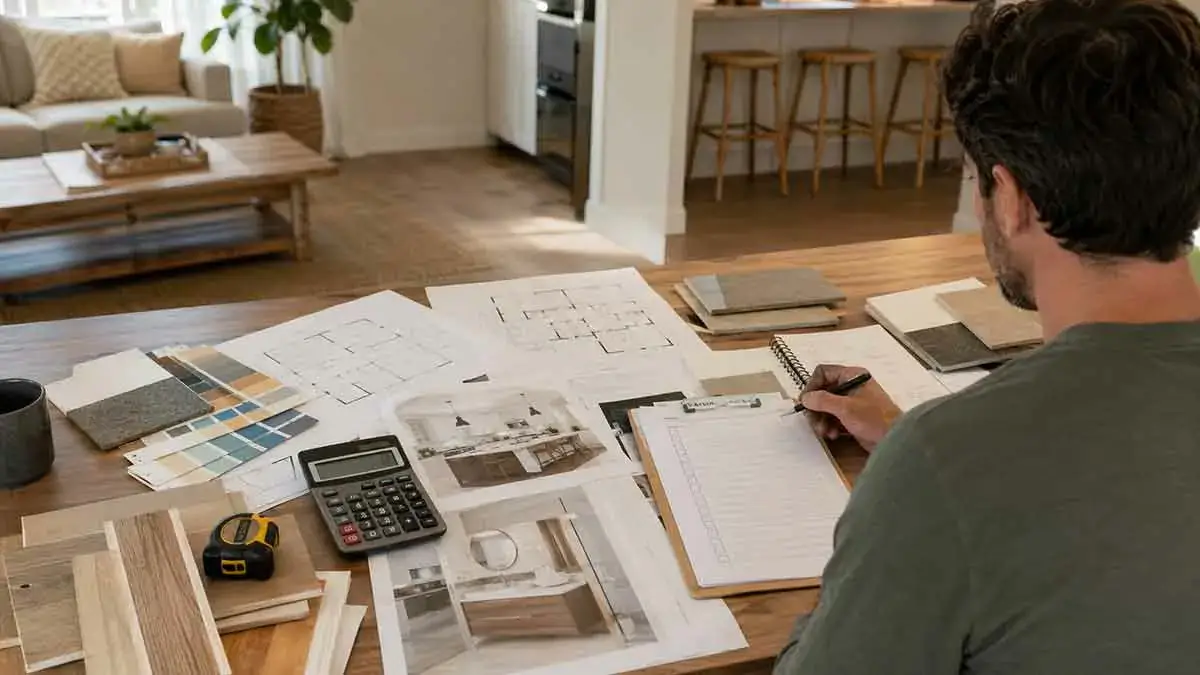
When you own a home, it is easy to create a long list of renovation ideas. You may want a new kitchen, updated bathrooms, better flooring, improved insulation, new windows, or a more attractive exterior.
The challenge is deciding which home renovation projects should come first.
Renovating everything at once is rarely practical. Major projects require significant time, money, planning, and coordination. Prioritizing renovations allows you to focus your budget on improvements that provide the greatest benefit while avoiding unnecessary work.
The best approach is to prioritize projects based on safety, structural condition, water damage, energy efficiency, functionality, cost, urgency, and long-term value rather than simply choosing the projects that look the most attractive.
This guide explains how to prioritize home renovation projects, what should usually come first, how to rank projects by urgency and value, and how to create a realistic renovation plan when your budget is limited.
Table of Contents
Why Should You Prioritize Home Renovation Projects?
Most homeowners have more renovation ideas than available time and money.
Prioritizing projects helps you determine where your resources should go first.
A good renovation priority system can help you:
- Address safety problems
- Prevent further property damage
- Protect the structure
- Improve home functionality
- Reduce energy waste
- Control renovation costs
- Avoid unnecessary work
- Plan projects in the correct sequence
- Improve long-term property value
- Reduce disruption to daily life
The most important renovation is not necessarily the most visually appealing one.
A new kitchen may improve the appearance of a home, but repairing an active roof leak may be much more urgent.
What Should You Renovate First?
As a general rule, prioritize renovations in this order:
- Safety hazards
- Active water or moisture problems
- Structural problems
- Roof and exterior protection
- Major plumbing and electrical problems
- HVAC and essential home systems
- Energy-efficiency improvements
- Functional improvements
- Kitchen and bathroom upgrades
- Cosmetic improvements
This is not a universal sequence.
A home’s condition, climate, age, budget, and renovation goals can change the appropriate order.
For example, replacing inefficient windows may become a higher priority in a home with severe air leakage, while a dated bathroom may be more important when its plumbing or waterproofing has failed.
The Home Renovation Priority System
One practical way to rank projects is to evaluate each one using five factors:
1. Urgency
Does the project need immediate attention?
2. Risk
Could delaying the work create safety problems or additional damage?
3. Cost of Delay
Will waiting make the eventual repair significantly more expensive?
4. Functional Benefit
Will the renovation solve an important problem with how the home works?
5. Financial Value
Will the improvement meaningfully improve durability, efficiency, usability, or resale appeal?
A project that scores highly across several categories should generally move toward the top of your renovation list.
1. Safety and Immediate Hazards
Safety-related problems should usually receive the highest priority.
Examples include:
- Dangerous electrical conditions
- Unsafe stairs or railings
- Structural instability
- Serious gas-related problems
- Major fire hazards
- Unsafe flooring conditions
- Significant security weaknesses
Do not delay necessary repairs simply because they are not visually attractive.
A renovation should first make the home safe and functional.
If you are uncertain whether a problem presents a serious safety risk, consult an appropriately qualified professional.
2. Water Damage and Moisture Problems
Water problems should usually be addressed before cosmetic renovations.
Examples include:
- Roof leaks
- Plumbing leaks
- Foundation water intrusion
- Damaged flashing
- Poor drainage
- Persistent condensation
- Moisture behind walls
- Bathroom waterproofing failures
Ignoring moisture can result in:
- Mold growth
- Rot
- Damaged framing
- Deteriorated finishes
- Insulation damage
- Structural problems
Painting over water stains without addressing the source is not a renovation solution.
Always identify and correct the underlying cause before replacing cosmetic finishes.
3. Structural Problems
Structural issues should receive a high priority because they can affect the safety and durability of the entire property.
Potential concerns include:
- Foundation movement
- Damaged framing
- Sagging structural components
- Serious cracks
- Deteriorated beams
- Structural roof problems
- Major load-bearing modifications
Structural problems should be evaluated by an appropriately qualified professional.
Do not prioritize cosmetic improvements over unresolved structural issues.
4. Roof and Exterior Protection
The exterior of the house protects everything inside it.
Important exterior projects may include:
- Roof repairs
- Damaged siding
- Exterior water intrusion
- Failed flashing
- Damaged exterior doors
- Deteriorated windows
- Poor drainage
- Foundation drainage problems
A sound building envelope helps prevent expensive interior damage.
For this reason, exterior protection can be more important than interior cosmetic improvements.
5. Plumbing Problems
Plumbing problems range from minor maintenance issues to major failures.
High-priority plumbing work may include:
- Persistent leaks
- Damaged supply lines
- Drain problems
- Sewer problems
- Corroded piping
- Failing water heaters
- Poor drainage
- Water pressure problems caused by underlying system issues
A small leak may appear inexpensive to ignore, but continued water exposure can create much larger repair costs.
6. Electrical Problems
Electrical systems deserve careful attention because defects can create safety risks.
Potential renovation priorities include:
- Damaged wiring
- Unsafe electrical connections
- Overloaded circuits
- Inadequate electrical capacity
- Outdated components
- Electrical panel problems
- Missing or improperly installed safety devices
Electrical work may be subject to local regulations and permit requirements.
When the work is beyond routine homeowner maintenance, use a qualified electrician.
7. HVAC and Major Home Systems
Essential systems should generally be evaluated before cosmetic upgrades.
These may include:
- Heating systems
- Cooling systems
- Ventilation
- Water heating
- Major plumbing systems
- Electrical infrastructure
If a major system is approaching the end of its useful life, planning for replacement can help prevent an unexpected emergency.
Improving system efficiency may also reduce ongoing operating costs.
8. Windows, Insulation, and Energy Efficiency
Once urgent problems are under control, consider improvements that reduce energy consumption and improve comfort.
Potential projects include:
- Adding insulation
- Air sealing
- Replacing damaged windows
- Improving weatherstripping
- Sealing ductwork
- Improving ventilation
- Upgrading inefficient equipment
Energy-efficiency projects should be evaluated based on the home’s actual problems rather than simply choosing the most expensive available upgrade.
9. Kitchen Renovation
Kitchen renovations are often high-cost projects, so they should be planned carefully.
Prioritize a kitchen renovation when:
- The layout is seriously dysfunctional
- Cabinets are failing
- Plumbing problems exist
- Electrical capacity is inadequate
- Appliances are failing
- Surfaces are significantly damaged
- The kitchen no longer meets household needs
If the kitchen is structurally and functionally sound, cosmetic updates may be sufficient.
For example, replacing hardware, repainting cabinets, or improving lighting may provide meaningful improvements without the cost of a complete remodel.
10. Bathroom Renovation
Bathroom renovations should be prioritized when there are functional or water-related problems.
Higher-priority issues include:
- Active leaks
- Waterproofing failures
- Damaged plumbing
- Serious ventilation problems
- Unsafe flooring
- Significant deterioration
- Nonfunctional fixtures
A bathroom that is simply outdated may be lower priority than a roof, plumbing, electrical, or structural problem elsewhere in the house.
11. Flooring and Interior Finishes
Flooring, drywall, trim, doors, and other interior finishes usually become higher priorities after major building and system problems are addressed.
Prioritize these projects when:
- Flooring is damaged
- Surfaces create safety concerns
- Materials are deteriorating
- Water damage has already been repaired
- The renovation sequence requires replacement
Avoid installing expensive new finishes before resolving problems underneath them.
12. Cosmetic Improvements
Cosmetic projects are usually the most flexible.
Examples include:
- Painting
- Decorative lighting
- Wallpaper
- Trim upgrades
- Cabinet hardware
- Decorative fixtures
- Minor landscaping
- Interior styling
These improvements can still provide significant value, particularly when the home is already in good condition.
However, they generally should not take priority over urgent repairs.
How to Rank Renovation Projects
Create a master list of every renovation you are considering.
For each project, record:
- Estimated cost
- Urgency
- Safety impact
- Risk of delaying
- Expected lifespan
- Energy benefit
- Functional benefit
- Resale relevance
- Required preparation
- Potential disruption
Then rank each project.
A simple system can divide projects into four categories:
Priority 1: Do Now
These are urgent or potentially damaging problems.
Examples:
- Active leaks
- Serious structural concerns
- Dangerous electrical conditions
- Major safety hazards
Priority 2: Do Soon
These projects may not be emergencies but should not be ignored.
Examples:
- Aging HVAC equipment
- Significant insulation deficiencies
- Failing exterior components
- Major plumbing deterioration
Priority 3: Plan
These are valuable improvements that can be scheduled when budget and time allow.
Examples:
- Kitchen remodeling
- Bathroom remodeling
- Flooring replacement
- Window upgrades
Priority 4: Optional
These projects are primarily cosmetic or preference-based.
Examples:
- Decorative updates
- Accent walls
- Minor styling changes
- Nonessential fixtures
This system prevents optional improvements from consuming the budget needed for essential work.
How Budget Affects Renovation Priorities
Your renovation budget should influence the sequence, but it should not override safety and property protection.
If your budget is limited, focus first on projects that:
- Prevent damage
- Improve safety
- Protect the structure
- Restore essential functionality
- Reduce significant operating costs
After those needs are addressed, allocate remaining funds to appearance and comfort.
Avoid spending most of your budget on one attractive project while ignoring several smaller problems that could become expensive later.
Essential vs Optional Renovations
One of the easiest ways to prioritize is to divide projects into essential and optional categories.
Essential Renovations
These address problems that affect:
- Safety
- Structural integrity
- Water protection
- Essential systems
- Basic functionality
Optional Renovations
These primarily improve:
- Appearance
- Style
- Convenience
- Personal preferences
- Luxury
For example, repairing a leaking roof is an essential project, while replacing perfectly functional countertops because you prefer another style is usually optional.
High-Value vs High-Cost Renovations
A high-cost renovation is not automatically a high-value renovation.
Before starting an expensive project, consider:
- How much it improves the home
- How long the improvement will last
- Whether it solves a genuine problem
- How much maintenance it requires
- Whether it improves efficiency
- Whether it improves daily functionality
- Whether it aligns with your long-term plans
The goal is not to spend the most money.
The goal is to spend money where it produces the most useful improvement.
Renovating Before Selling
If you plan to sell the home, renovation priorities can change.
Focus first on:
- Safety issues
- Water problems
- Major visible defects
- Essential system problems
- Poor functionality
- High-impact cosmetic improvements
Avoid automatically completing expensive renovations simply because they may look impressive to buyers.
The best pre-sale improvements depend on the home’s condition, local market expectations, and likely return on investment.
How to Prioritize Renovations in an Older Home
Older homes may require a different strategy.
Before investing heavily in finishes, evaluate:
- Roof condition
- Foundation
- Electrical system
- Plumbing
- HVAC
- Insulation
- Windows
- Moisture
- Drainage
- Structural components
It can be frustrating to renovate a beautiful kitchen and then discover that major electrical or plumbing work needs to be completed afterward.
For older properties, understanding the condition of the underlying systems is particularly important.
How to Prioritize Renovations on a Limited Budget
You do not need to renovate everything at once.
A limited budget can still produce meaningful improvements if you follow a logical sequence.
Step 1: Fix Problems That Can Cause Damage
Address leaks, structural concerns, and safety issues first.
Step 2: Restore Essential Function
Repair systems that affect everyday use.
Step 3: Improve Efficiency
Consider insulation, air sealing, efficient equipment, and other improvements that may reduce ongoing costs.
Step 4: Improve High-Use Areas
Focus on rooms and features that have the greatest effect on daily life.
Step 5: Complete Cosmetic Projects
Use the remaining budget for appearance and personalization.
This approach helps prevent cosmetic spending from competing with essential repairs.
Should You Renovate One Room at a Time?
Renovating one room at a time can be a practical strategy when your budget or living situation does not allow a whole-house renovation.
Advantages include:
- Smaller financial commitments
- Less disruption
- Easier project management
- More manageable decision-making
- Ability to learn from earlier projects
However, room-by-room renovation is not always the most efficient approach.
If several projects require the same contractor, demolition, plumbing, electrical work, or wall access, completing related work together may reduce duplication.
The correct strategy depends on the home’s condition and the renovation sequence.
How to Avoid Renovation Priority Mistakes
Choosing Projects Based Only on Appearance
A beautiful room does not compensate for an unresolved structural or water problem.
Ignoring the Cost of Delay
Some problems become much more expensive when postponed.
Renovating Before Inspecting
You need to understand the condition of the property before committing to major finishes.
Spending the Entire Budget on One Room
A single large project can consume funds needed for more urgent repairs.
Changing Priorities Constantly
Frequent changes can create delays, additional costs, and inefficient scheduling.
Ignoring Project Dependencies
Some renovations must happen before others.
For example, electrical and plumbing work may need to be completed before walls and finished surfaces are installed.
Failing to Keep a Contingency
Unexpected problems are common during renovation.
Reserve part of the budget for unforeseen work rather than committing every dollar to planned improvements.
Home Renovation Priority Checklist
Immediate Priorities
- Check for safety hazards
- Identify active water leaks
- Evaluate structural concerns
- Address serious electrical problems
- Address major plumbing problems
- Protect the roof and exterior
Near-Term Priorities
- Evaluate HVAC systems
- Address significant insulation problems
- Improve ventilation where necessary
- Repair deteriorated windows and doors
- Correct drainage problems
- Plan aging system replacements
Planned Renovations
- Kitchen remodeling
- Bathroom remodeling
- Flooring
- Cabinet upgrades
- Interior improvements
- Functional layout changes
Optional Improvements
- Painting
- Decorative lighting
- Hardware
- Accent walls
- Decorative fixtures
- Minor landscaping
Before Starting Any Major Project
- Define the objective
- Estimate the cost
- Assess urgency
- Consider the cost of delay
- Check project dependencies
- Confirm permits where applicable
- Establish a contingency
- Determine the expected benefit
- Create a realistic schedule
Final Thoughts
Learning how to prioritize home renovation projects is one of the most important parts of managing a renovation successfully.
You do not need to complete every improvement at the same time.
Start with the problems that affect safety, water protection, structural integrity, essential systems, and long-term property condition. Once those issues are under control, move toward energy efficiency, functionality, kitchen and bathroom improvements, and finally cosmetic upgrades.
The best renovation plan is not necessarily the one with the most projects.
It is the one that puts the right project at the right time.
Before spending money on a major renovation, evaluate the condition of the home, estimate the cost of delaying the work, consider how projects depend on one another, and leave room in the budget for unexpected problems.
A well-prioritized renovation can help you protect your property, control costs, improve comfort, and achieve better results without trying to renovate the entire house at once.
Frequently Asked Questions
What home renovations should be done first?
Safety hazards, active water problems, structural issues, major electrical or plumbing problems, and conditions that could cause additional property damage should generally be addressed before cosmetic improvements.
Should I renovate the kitchen or bathroom first?
Neither should automatically come first. Prioritize the room with the more urgent functional, water, safety, or structural problems. If both are in good condition, choose based on your budget and household needs.
What is the most important renovation in an older home?
There is no universal answer. Older homes should generally be evaluated for structural condition, roof protection, moisture, electrical systems, plumbing, HVAC, insulation, and other major systems before investing heavily in cosmetic renovations.
Should I fix the roof before renovating the interior?
Usually, yes. A roof or exterior water problem can damage newly renovated interior spaces. Protecting the building from water should generally come before expensive interior finishes.
How do I prioritize renovations with a small budget?
Start with safety, water protection, structural problems, and essential systems. Then address projects that improve functionality or efficiency before spending money on cosmetic upgrades.
Is it better to renovate one room at a time?
It can be. Room-by-room renovation may make costs and disruption easier to manage, but grouping related work can sometimes be more efficient when multiple projects require the same trades or construction access.
Which renovations add the most value?
The answer varies by property and market. Improvements that correct serious problems, improve functionality, protect the structure, or improve efficiency can provide significant practical value. Cosmetic upgrades may also improve appeal, particularly when the home is already in good condition.
Should I renovate before selling my home?
Only when the renovation makes sense for the property’s condition and likely market expectations. Focus on safety, major defects, essential repairs, and improvements that can meaningfully improve buyer appeal rather than assuming every expensive remodel will pay for itself.
How much money should I keep for unexpected renovation costs?
There is no single percentage that works for every project. The appropriate contingency depends on the home’s age, condition, scope, and uncertainty. Older or more complex renovations generally require more financial flexibility.
Can I renovate my whole house at once?
Yes, but whole-house renovation requires careful planning, sequencing, budgeting, and coordination. If the budget or living situation is limited, a phased renovation may be more practical.
Should cosmetic renovations ever come before repairs?
Generally, necessary repairs should come first. Cosmetic work may be appropriate when the home is already structurally sound, protected from water, and functioning properly.