
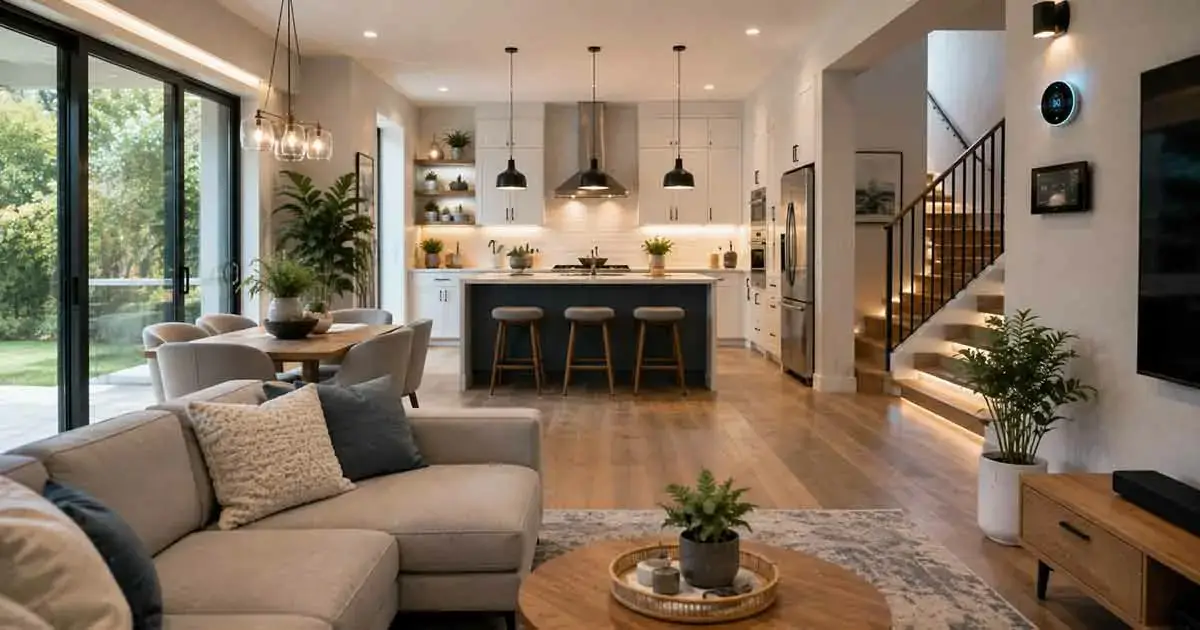
Improving your home does not always require a major renovation. The right home improvement ideas can make your living space more comfortable, functional, efficient, and enjoyable while helping protect your home’s long-term value.
Some improvements require a larger investment, while others can be completed with a modest budget. The best approach is to prioritize projects that solve real problems, improve everyday living, and fit your home’s needs and your available budget.
This guide covers practical home improvement ideas for different areas of the home, from energy efficiency and interior upgrades to storage, outdoor spaces, maintenance, and larger renovation projects.
Why Home Improvement Matters
Home improvement is about more than updating the appearance of a property. Well-planned improvements can provide practical benefits such as:
- Better everyday comfort
- Improved functionality
- Greater energy efficiency
- Better organization
- Improved safety
- Reduced maintenance problems
- Increased appeal and potential long-term value
The most useful improvements are those that combine appearance with practical performance.
Improve Your Home’s Energy Efficiency
Energy efficiency is an important part of modern home improvement. Improvements that reduce heat loss, drafts, and unnecessary energy use can make a home more comfortable while potentially reducing energy costs.
Practical improvements include:
- Improving insulation
- Sealing air leaks around doors and windows
- Upgrading inefficient windows
- Improving lighting efficiency
- Using energy-efficient appliances
- Improving heating and cooling performance
Start with the areas where your home loses the most energy rather than making upgrades simply because they are popular.
Upgrade Your Home Lighting
Lighting can change both the appearance and functionality of a room.
Useful lighting improvements include:
- Replacing outdated fixtures
- Adding layered lighting
- Improving task lighting
- Using efficient light bulbs
- Adding lighting to dark areas
- Making better use of natural light
Consider how each room is used before choosing new fixtures or lighting layouts.
Improve Your Kitchen
A kitchen improvement project does not always require a complete remodel.
Practical upgrades can include:
- Improving cabinet storage
- Updating cabinet hardware
- Adding useful organizers
- Improving countertop workspace
- Replacing outdated fixtures
- Improving lighting
- Updating inefficient appliances
Focus on changes that improve how the kitchen functions rather than changing its appearance alone.
Refresh Your Bathroom
Bathrooms can often benefit from relatively focused improvements.
Consider:
- Updating fixtures
- Improving storage
- Replacing worn finishes
- Improving ventilation
- Updating lighting
- Installing water-efficient fixtures
- Repairing damaged surfaces
A well-planned bathroom improvement can improve comfort, functionality, and the overall condition of the space.
Improve Home Storage and Organization
Storage improvements can make a home feel more functional without increasing its size.
Useful ideas include:
- Built-in shelving
- Closet organization
- Under-stair storage
- Garage storage systems
- Wall-mounted storage
- Multi-purpose furniture
- Better kitchen and bathroom organization
Use storage solutions that match the way your household actually uses each space.
Upgrade Flooring and Interior Finishes
Flooring and interior finishes have a significant effect on the appearance and usability of a home.
Possible improvements include:
- Replacing damaged flooring
- Updating worn finishes
- Choosing durable flooring materials
- Repainting rooms
- Updating trim and doors
- Improving wall finishes
When selecting materials, consider durability, maintenance requirements, moisture exposure, and the amount of traffic each area receives.
Improve Doors and Windows
Windows and exterior doors affect several important aspects of a home, including:
- Comfort
- Energy efficiency
- Security
- Natural light
- Appearance
- Weather protection
Before replacing windows or doors, determine whether the existing units need replacement or whether repairs, sealing, or hardware improvements can solve the problem.
Improve Outdoor Living Areas
Outdoor spaces can become useful extensions of the home.
Practical improvements include:
- Patios
- Decks
- Seating areas
- Walkways
- Gardens
- Entryways
- Outdoor lighting
- Storage areas
Prioritize improvements that fit the climate, available space, maintenance requirements, and way you plan to use the area.
Improve Home Security
Security is an important part of maintaining and improving a home.
Practical improvements can include:
- Stronger exterior door hardware
- Improved door and window security
- Better outdoor lighting
- Security cameras
- Entry visibility improvements
- Reliable locks
- Improved access control
Security improvements should be selected according to the property’s layout, entrances, surroundings, and specific risks.
Add Smart Home Features
Smart technology can improve convenience, automation, energy management, and home control.
Popular improvements include:
- Smart lighting
- Smart thermostats
- Smart locks
- Smart security devices
- Smart sensors
- Automated controls
When adding smart devices, consider compatibility, reliability, privacy, installation requirements, and whether the technology solves a genuine problem in your home.
Improve Indoor Comfort and Air Quality
Home improvement also includes creating a healthier and more comfortable indoor environment.
Useful improvements include:
- Better ventilation
- Improved humidity control
- Air quality monitoring
- Regular HVAC maintenance
- Sealing unnecessary air leaks
- Maintaining clean filters
The appropriate solution depends on the home’s existing ventilation, climate, construction, and indoor conditions.
Focus on Low-Cost Home Improvements
Many useful improvements do not require a major budget.
Affordable projects can include:
- Repainting rooms
- Updating cabinet and door hardware
- Installing shelves
- Improving lighting
- Reorganizing storage
- Replacing worn fixtures
- Sealing minor drafts
- Improving room organization
Small improvements can have a noticeable effect when they address a specific problem.
Consider Larger Home Improvement Projects
Some improvements require more planning and investment.
Examples include:
- Kitchen remodeling
- Bathroom remodeling
- Room additions
- Major flooring replacement
- Exterior improvements
- Roof replacement
- HVAC upgrades
- Major energy-efficiency projects
For larger projects, consider the scope, permits, materials, labor, timeline, maintenance, and potential impact on the home’s long-term value before starting.
How to Prioritize Home Improvements
When several projects need attention, prioritize them based on practical importance.
A useful order is:
- Safety and urgent repairs
- Water, moisture, and structural problems
- Energy and efficiency improvements
- Maintenance and durability
- Functionality and organization
- Appearance and cosmetic improvements
This approach helps prevent cosmetic projects from taking priority over problems that could become more expensive later.
Plan Home Improvements Before Starting
Good planning can prevent unnecessary costs and delays.
Before beginning a project:
- Define the problem you want to solve
- Set a realistic budget
- Research suitable materials
- Compare available options
- Determine whether permits are required
- Consider maintenance requirements
- Plan for unexpected costs
- Decide whether professional help is necessary
A clear plan makes it easier to control both costs and expectations.
Common Home Improvement Mistakes
Ignoring Existing Problems
Cosmetic improvements should not hide underlying issues such as leaks, moisture, structural damage, or electrical problems.
Choosing Appearance Over Function
A visually attractive improvement may not provide much practical value if it makes the space harder to use or maintain.
Starting Without a Budget
Without a realistic budget, material, labor, and unexpected costs can quickly exceed expectations.
Choosing Materials Without Considering Maintenance
Materials should be selected according to durability, moisture exposure, cleaning requirements, and expected use.
Taking on Projects Beyond Your Skills
Some projects are appropriate for DIY work, while others require specialized knowledge, tools, or permits.
DIY vs. Professional Home Improvements
Some smaller projects may be suitable for experienced homeowners, including:
- Painting
- Basic organization
- Simple decorative updates
- Replacing certain hardware
- Installing basic shelving
Professional assistance is generally more appropriate for projects involving:
- Electrical systems
- Plumbing
- Structural modifications
- Major roofing work
- Gas systems
- Significant renovations
- Work requiring permits or specialized expertise
Always follow applicable safety requirements, local regulations, and manufacturer instructions.
Home Improvement Checklist
Before starting a project, consider:
- Define the goal
- Identify the existing problem
- Set a budget
- Research materials and solutions
- Compare options
- Consider energy efficiency
- Check maintenance requirements
- Determine whether permits are needed
- Decide whether professional help is required
- Plan for unexpected costs
Frequently Asked Questions
What home improvements add the most value?
The value of an improvement depends on the property, location, condition, buyer expectations, and project cost. Improvements that solve important problems, improve functionality, or address major maintenance issues can provide meaningful long-term benefits.
Where should I start with home improvement?
Start with safety issues, necessary repairs, maintenance problems, and improvements that solve everyday problems. Cosmetic upgrades can follow once important issues are addressed.
Are small home improvements worth it?
Yes. Smaller improvements can improve comfort, organization, appearance, and functionality without requiring the cost or disruption of a major renovation.
Should I renovate or improve my current home?
The right choice depends on the condition of the home, your goals, budget, available space, and how long you plan to remain there. Compare the expected cost and benefits before deciding.
How can I make my home more efficient?
Start by identifying major sources of energy waste. Common areas to consider include insulation, air sealing, windows, lighting, appliances, heating, and cooling systems.
Final Thoughts
The best home improvement ideas are not necessarily the most expensive ones. Effective improvements solve real problems, improve everyday comfort, increase functionality, and support the long-term condition of the property.
Whether you are making a small upgrade or planning a major renovation, start with your home’s most important needs and prioritize projects according to safety, functionality, efficiency, budget, and long-term maintenance.
A thoughtful approach to home improvement can create a more comfortable, efficient, functional, and enjoyable home over time.