
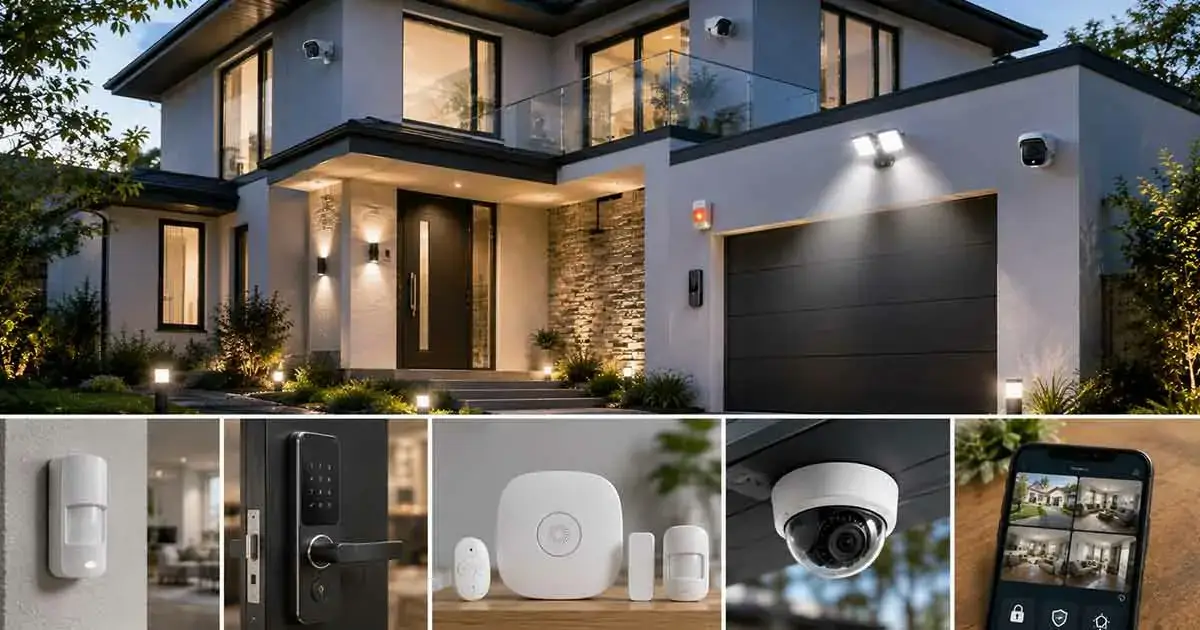
Choosing the right home security system is one of the most important decisions homeowners can make to protect their property, belongings, and family. With many options available, including professional systems, DIY solutions, smart devices, and monitoring services, finding the best choice can feel overwhelming.
A modern home security system can combine cameras, sensors, alarms, smart locks, and mobile controls to provide better awareness and protection. The right system depends on your home’s layout, security needs, budget, and preferred level of automation.
This complete guide explains how home security systems work, the different types available, essential features to consider, installation options, and how to choose the best solution for your home.
What Is a Home Security System?
A home security system is a collection of devices designed to monitor, protect, and alert homeowners about potential security threats.
A complete system may include:
- Security cameras
- Door and window sensors
- Motion detectors
- Alarm systems
- Smart locks
- Video doorbells
- Mobile monitoring apps
These components work together to create multiple layers of protection around a property.
Why Home Security Systems Matter
Every home has different security risks depending on location, design, and daily routines.
A reliable security system can help:
- Detect suspicious activity
- Prevent unauthorized access
- Provide emergency alerts
- Monitor property remotely
- Improve peace of mind
A layered security approach is often more effective than relying on a single device.
Types of Home Security Systems
Professional Security Systems
Professional systems are installed and managed by security companies.
Benefits include:
- Expert installation
- Professional monitoring
- Technical support
- Integrated equipment
These systems are often suitable for homeowners who want a complete solution with minimal involvement.
DIY Home Security Systems
DIY systems allow homeowners to install and manage their own devices.
Advantages include:
- Lower installation costs
- Flexible setup
- Easy expansion
- More control
They are popular among homeowners who prefer customizable security solutions.
Smart Home Security Systems
Smart security systems connect devices through the internet and allow remote control.
Features may include:
- Smartphone access
- Automated routines
- Smart device integration
- Real-time notifications
These systems are becoming increasingly popular because they combine security with convenience.
Wireless Security Systems
Wireless systems use Wi-Fi or other wireless technologies to connect devices.
Benefits include:
- Easier installation
- Flexible device placement
- Simple upgrades
They are often ideal for apartments, rentals, and existing homes.
Essential Components of a Home Security System
Security Cameras
Security cameras provide visual monitoring and recorded evidence.
Important features include:
- High-resolution video
- Night vision
- Motion detection
- Remote viewing
- Cloud or local storage
Cameras are one of the most valuable parts of a modern security system.
Door and Window Sensors
Sensors monitor important entry points.
They can alert homeowners when:
- Doors open
- Windows open
- Unexpected activity occurs
These simple devices provide an additional layer of protection.
Motion Detectors
Motion sensors identify movement inside or around a property.
They are commonly used to:
- Trigger alarms
- Activate cameras
- Send notifications
Alarm Systems
Alarms provide immediate warnings during security events.
Modern alarms may include:
- Sirens
- Mobile alerts
- Professional monitoring
- Emergency notifications
Smart Locks
Smart locks improve access control by replacing or enhancing traditional locks.
Features include:
- Keyless entry
- Remote locking
- Temporary access codes
- Activity history
Video Doorbells
Video doorbells help monitor front entrances and communicate with visitors remotely.
They provide:
- Visitor identification
- Package monitoring
- Two-way communication
Features to Consider Before Buying
Mobile App Control
A good security system should provide simple smartphone management.
Look for:
- Live viewing
- Alerts
- Device controls
- User management
Professional Monitoring
Some systems offer professional monitoring services.
Benefits include:
- 24/7 response support
- Emergency notifications
- Additional protection
Smart Home Compatibility
Choose systems that work with your existing smart devices.
Compatibility can improve:
- Automation
- Convenience
- Device management
Video Storage Options
Security cameras may use:
- Cloud storage
- Local storage
- Subscription-based plans
Consider your recording needs before choosing a system.
Battery Backup
Reliable systems should continue working during power interruptions.
Battery backup helps maintain protection during outages.
Home Security System Installation Options
DIY Installation
DIY installation is suitable for many wireless systems.
Advantages:
- Lower cost
- Faster setup
- Flexible placement
Professional Installation
Professional installation may be better for:
- Large properties
- Complex systems
- Permanent setups
Experts can optimize device placement and configuration.
How Much Does a Home Security System Cost?
The cost depends on:
- Number of devices
- Equipment quality
- Installation method
- Monitoring services
Basic systems may include a few essential devices, while advanced setups can include complete property coverage.
The best approach is to prioritize the most important security needs first and expand over time.
Common Home Security System Mistakes
Installing Too Few Devices
A single camera or sensor may not provide complete protection.
Poor Device Placement
Incorrect positioning can create blind spots.
Ignoring Updates
Connected devices require regular updates for security and performance.
Choosing Only Based on Price
The cheapest system may lack important features and reliability.
How to Choose the Right Home Security System
Before choosing a system, consider:
- Your home’s size
- Security concerns
- Budget
- Desired features
- Installation preferences
- Smart home requirements
The ideal system should provide reliable protection while fitting your lifestyle.
Frequently Asked Questions
Are home security systems worth it?
Yes. A properly designed security system can improve protection, monitoring, and peace of mind.
What is the best home security system?
The best system depends on your home’s needs, budget, and preferred features.
Can I install a home security system myself?
Many modern systems are designed for DIY installation, especially wireless options.
Do security systems work without internet?
Some features may work locally, but many smart features require internet connectivity.
How many security cameras do I need?
The number depends on property size, layout, and important areas you want to monitor.
Final Thoughts
A home security system provides a powerful way to protect your property through multiple layers of technology and planning. From cameras and sensors to smart locks and professional monitoring, modern solutions offer more control and awareness than ever before.
The best home security system is not necessarily the most expensive option. It is the one that matches your home’s needs, provides reliable protection, and can grow as your security requirements change.