
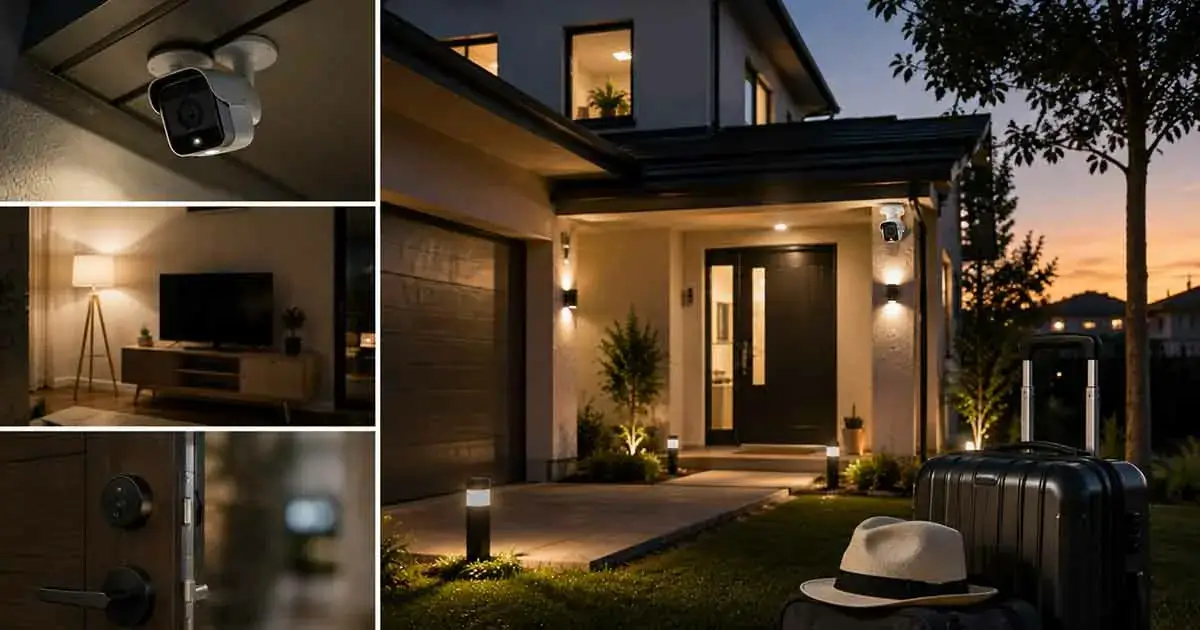
Traveling should be a relaxing experience, but leaving your home unattended can create security concerns. Whether you are going on a short weekend trip or an extended vacation, taking the right precautions can help protect your property and give you peace of mind.
An empty home may attract unwanted attention, especially if it appears unoccupied. However, a combination of smart planning, security devices, and simple habits can significantly reduce risks while you are away.
This guide explains how to secure your home while traveling, including preparation steps, smart security solutions, lighting strategies, and practical tips to keep your property protected.
Why Home Security Matters When Traveling
A vacant home can become more vulnerable when normal daily activity stops.
Common risks include:
- Unauthorized entry attempts
- Package theft
- Unnoticed security issues
- Visible signs that nobody is home
Preparing your home before traveling helps reduce these risks and creates a safer environment.
Create the Appearance of Someone Being Home
One of the most effective security strategies is making your home appear occupied.
Helpful methods include:
- Using automated lighting schedules
- Keeping some curtains or blinds in normal positions
- Asking a trusted neighbor to check the property
- Avoiding public announcements about travel plans
A home that appears active is less likely to attract unwanted attention.
Secure All Entry Points Before Leaving
Before leaving, carefully check every possible entry point.
Inspect:
- Front and back doors
- Windows
- Garage doors
- Basement entrances
- Side gates
Make sure all locks are working properly and every access point is secured.
Upgrade Door Security
Doors are the primary entry points of most homes.
Before traveling, consider:
- Checking door locks
- Reinforcing weak frames
- Using smart door locks
- Installing additional security hardware
Smart locks can provide extra convenience by allowing remote access control and activity monitoring.
Use Smart Home Security Devices
Smart home technology makes it easier to monitor your property remotely.
Useful devices include:
- Security cameras
- Video doorbells
- Smart locks
- Motion sensors
- Smart lighting
These devices allow homeowners to receive alerts and check their property from almost anywhere.
Install Security Cameras
Security cameras provide visibility when you are away.
They can help you:
- Monitor activity
- Receive motion alerts
- Review recorded footage
- Check entrances remotely
Visible cameras may also discourage unwanted activity around your home.
Set Up Smart Lighting
Lighting plays an important role in making a home appear occupied.
Smart lighting systems allow you to:
- Schedule lights automatically
- Control lights remotely
- Create realistic activity patterns
Outdoor lighting can also improve visibility around entrances and pathways.
Manage Mail and Packages
Accumulated mail and packages can indicate that nobody is home.
Before traveling:
- Pause mail delivery if possible
- Ask someone to collect packages
- Use delivery instructions
- Avoid leaving packages visible outside
Managing deliveries helps maintain the appearance of an active home.
Ask Someone You Trust to Check Your Home
A trusted person can provide additional protection.
They can:
- Check for unusual activity
- Collect deliveries
- Water plants
- Report possible issues
Regular visits can make a significant difference during longer trips.
Avoid Sharing Travel Plans Publicly
Sharing vacation details publicly can create unnecessary risks.
Avoid posting:
- Exact travel dates
- Your location
- Information showing the home is empty
Consider sharing travel memories after returning instead.
Prepare for Emergencies
Before leaving, prepare your home for unexpected situations.
Helpful steps include:
- Turning off unnecessary appliances
- Checking smoke detectors
- Protecting against water leaks
- Informing trusted contacts
Good preparation helps prevent problems while you are away.
Home Security Checklist Before Traveling
Use this checklist before leaving:
- Lock all doors and windows
- Activate security systems
- Set smart lighting schedules
- Check cameras and sensors
- Secure valuables
- Manage mail and packages
- Inform a trusted person
A simple checklist can prevent common mistakes.
Common Home Security Mistakes While Traveling
Forgetting Secondary Entrances
Many homeowners secure the front door but forget garages, side doors, or basement windows.
Leaving Spare Keys Outside
Hidden keys can create unnecessary security risks.
Turning Off All Lights
A completely dark home may appear vacant.
Ignoring Smart Device Updates
Security devices should remain updated and properly configured.
Frequently Asked Questions
Should I turn off my home security system while traveling?
No. Your security system should remain active while you are away.
Are smart locks useful when traveling?
Yes. Smart locks allow remote access management and provide additional control.
Should I tell neighbors I am traveling?
Informing a trusted neighbor can improve security, but avoid sharing travel details widely.
Are security cameras enough to protect my home?
Cameras improve monitoring, but they work best as part of a complete security strategy.
How can I make my home look occupied?
Use scheduled lighting, manage deliveries, and ask someone trusted to check the property.
Final Thoughts
Securing your home before traveling requires preparation, awareness, and the right combination of security measures. By protecting entry points, using smart devices, managing visibility, and maintaining the appearance of occupancy, homeowners can reduce risks while enjoying their time away.
A well-prepared home security plan provides confidence and peace of mind whether you are away for a few days or several weeks.