
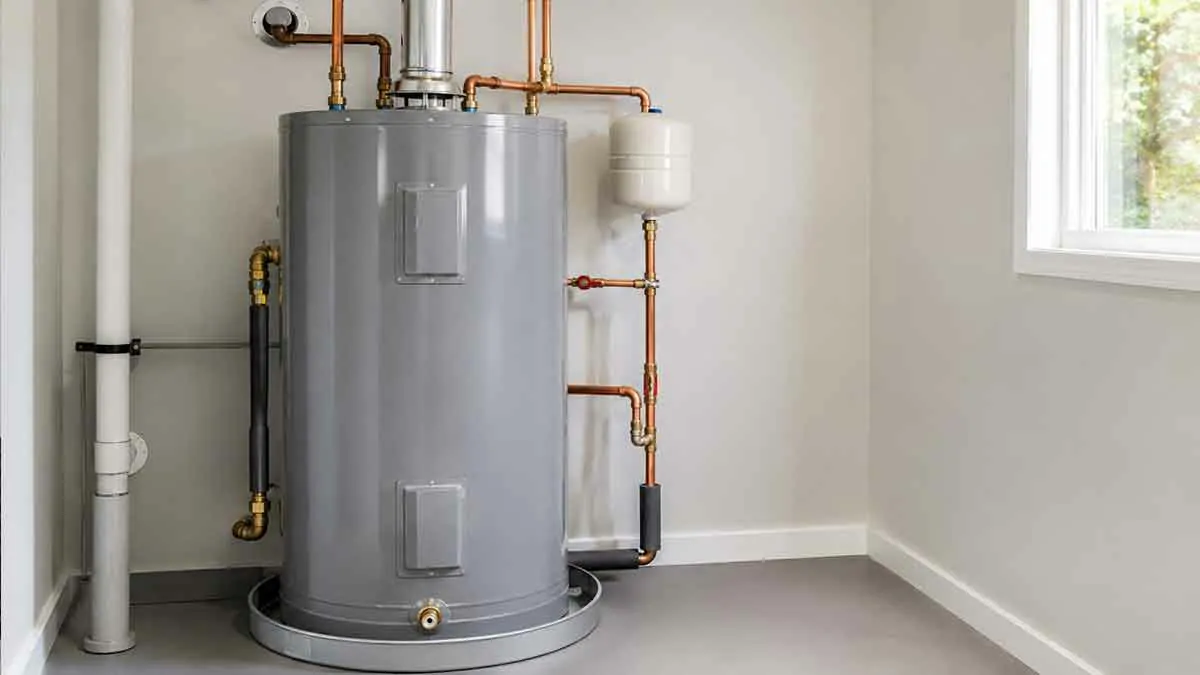
A water heater is one of the most important appliances in your home. It provides hot water for showers, sinks, dishwashing, laundry, and other daily tasks. Because it often operates in the background without much attention, many homeowners do not think about maintenance until a problem appears.
Regular water heater maintenance can help improve efficiency, reduce the risk of unexpected breakdowns, extend the appliance’s service life, and identify potential safety issues early. The exact maintenance requirements depend on the type of water heater you have, including traditional storage tank, tankless, electric, gas, or heat pump models.
This guide covers the essential maintenance steps for most residential water heaters and explains when professional service may be necessary.
Table of Contents
Why Water Heater Maintenance Is Important
Over time, sediment, mineral deposits, corrosion, and normal wear can affect water heater performance.
Without regular maintenance, you may notice problems such as:
- Reduced hot water supply
- Higher energy use
- Strange noises from the tank
- Slow water heating
- Leaks
- Rust or corrosion
- Reduced appliance lifespan
Routine inspections and basic maintenance can help detect these issues before they become more expensive repairs.
Maintenance can also help your water heater operate more efficiently, especially in areas with hard water where mineral buildup may develop more quickly.
Know What Type of Water Heater You Have
Before performing any maintenance, identify the type of water heater installed in your home.
Common residential water heater types include:
- Storage tank water heaters
- Tankless water heaters
- Gas water heaters
- Electric water heaters
- Heat pump water heaters
Each type has different components and maintenance requirements.
For example, a traditional tank water heater may require sediment flushing, while a tankless unit may need periodic descaling. Gas models also include combustion and venting components that require additional attention.
Check the manufacturer’s manual for maintenance instructions specific to your model.
Inspect Your Water Heater Regularly
A visual inspection is one of the simplest maintenance tasks.
Check the water heater and the surrounding area for signs of:
- Water leaks
- Rust or corrosion
- Loose connections
- Damaged insulation
- Moisture around the base
- Unusual stains
- Damaged pipes
For gas water heaters, also look for signs of problems with the venting system or combustion components.
Keep the area around the water heater clean and free from unnecessary storage. Adequate access makes inspections and future maintenance easier.
If you notice active leaking or significant corrosion, address the problem promptly.
Check the Temperature Setting
Water temperature affects both comfort and energy consumption.
A temperature setting that is unnecessarily high can increase energy use and raise the risk of burns. A setting that is too low may not provide adequate hot water for household needs.
Check your manufacturer’s recommendations and local safety guidance when adjusting the water heater temperature.
If you are unsure how to adjust the temperature safely, consult the owner’s manual or contact a qualified technician.
Avoid making repeated temperature changes without understanding how they affect the system.
Flush the Water Heater Tank
Traditional storage tank water heaters can collect sediment at the bottom of the tank.
Sediment may come from minerals and other particles in the water supply. Over time, buildup can reduce heating efficiency and contribute to noises or uneven performance.
Flushing the tank periodically can help remove some of this accumulated material.
Before flushing a water heater:
- Review the manufacturer’s instructions.
- Turn off the energy source according to the recommended procedure.
- Allow the water to cool if necessary.
- Follow proper instructions for connecting a drain hose and directing water safely.
- Flush the tank carefully.
- Restore the system according to the manufacturer’s guidance.
The recommended flushing schedule depends on water quality, appliance type, and manufacturer requirements.
If the unit has not been maintained for many years or you are concerned about its condition, professional service may be the safer option.
Test the Temperature and Pressure Relief Valve
Traditional storage water heaters usually include a temperature and pressure relief valve, often called a T&P valve.
This safety component is designed to release water if excessive temperature or pressure develops inside the tank.
Because it is an important safety feature, it should be inspected and tested only according to the manufacturer’s instructions and applicable safety guidance.
Before testing, make sure you understand where discharged water will go and avoid contact with hot water.
If the valve leaks continuously, does not operate correctly, or shows signs of corrosion, contact a qualified professional.
Do not block, cap, or modify a safety relief valve or its discharge piping.
Inspect the Anode Rod
Many traditional storage tank water heaters contain an anode rod designed to help reduce corrosion inside the tank.
The rod gradually deteriorates over time as part of its normal function. Once it becomes heavily depleted, the tank may become more vulnerable to corrosion.
Inspection intervals depend on water conditions and the type of anode rod.
Because accessing and replacing the anode rod may require specialized tools and knowledge, some homeowners choose to have this task performed by a qualified technician.
If your water heater is older or located in an area with hard water, regular inspection may be particularly useful.
Check for Leaks and Corrosion
Small leaks can become major problems if they continue unnoticed.
Inspect:
- Pipe connections
- The temperature and pressure relief valve area
- The base of the tank
- Drain valve connections
- Nearby plumbing fittings
Look for rust, discoloration, moisture, or mineral deposits.
If water is coming from the body of the tank itself, this may indicate internal corrosion or tank failure. In many cases, a leaking tank cannot be repaired and replacement may be necessary.
Do not ignore repeated moisture around the water heater.
Maintain the Area Around the Water Heater
The space around the water heater should remain accessible and reasonably clean.
Avoid storing items directly against the unit.
For gas water heaters, maintaining clear space around the appliance is especially important because proper airflow and safe access to controls and service areas may be required.
Follow the manufacturer’s clearance requirements and avoid placing flammable materials near a gas water heater.
A clean, accessible area also makes it easier to identify leaks or other problems quickly.
Insulate Hot Water Pipes
Insulating accessible hot water pipes can help reduce heat loss as water travels through your plumbing system.
This may improve efficiency and help hot water reach fixtures more quickly.
Focus on exposed hot water pipes located in unconditioned areas such as basements, crawl spaces, or utility rooms.
Use insulation suitable for plumbing applications and avoid covering components that should remain accessible for inspection or service.
If you are unsure which sections should be insulated, consult the manufacturer’s guidance or a qualified professional.
Check Gas Water Heater Components
Gas water heaters require additional maintenance because they involve fuel combustion and venting.
Inspect visible components for signs of:
- Corrosion
- Damage
- Loose vent connections
- Unusual soot
- Unusual odors
- Changes in flame appearance
If you suspect a gas leak, leave the area if necessary, avoid creating sparks or flames, and follow your local gas utility or emergency safety procedures.
Do not attempt to repair gas supply or combustion components unless you are qualified to do so.
Regular professional inspections can help ensure that gas water heaters are operating safely.
Maintain Tankless Water Heaters
Tankless water heaters do not store large amounts of hot water, but they still require maintenance.
Mineral buildup can affect internal components, especially in homes with hard water.
Depending on the model and water conditions, maintenance may include:
- Cleaning or inspecting inlet filters
- Descaling internal components
- Inspecting water and gas connections
- Checking venting components
- Reviewing error messages or performance changes
Always follow the manufacturer’s recommended maintenance procedure.
Tankless systems can vary significantly, so using the correct descaling process and cleaning solution is important.
Maintain Heat Pump Water Heaters
Heat pump water heaters use a heat pump system to transfer heat into the water.
In addition to plumbing maintenance, these units may require attention to air circulation and heat pump components.
Typical maintenance may include:
- Keeping air intake areas clear
- Cleaning or inspecting air filters
- Checking for dust buildup
- Inspecting condensate drainage
- Ensuring adequate airflow around the unit
Follow the manufacturer’s requirements for filter cleaning and service intervals.
Because these systems combine water heating and heat pump technology, some repairs should be handled by a qualified technician.
Watch for Warning Signs
A water heater often provides warning signs before a complete failure.
Common signs include:
- Water that is not hot enough
- Rapid loss of hot water
- Strange rumbling or popping noises
- Discolored hot water
- Rust-colored water
- Leaks
- Frequent pressure relief valve discharge
- Unusual increases in energy use
- Error codes on digital models
Do not assume these problems will resolve on their own.
Early diagnosis may prevent additional damage and help determine whether maintenance, repair, or replacement is the best option.
Create a Water Heater Maintenance Schedule
A simple maintenance schedule can help you stay organized.
Every Few Months
- Inspect the area for leaks or moisture.
- Check visible pipes and connections.
- Look for corrosion.
- Make sure the surrounding area remains clear.
Once or Twice a Year
- Review the temperature setting.
- Inspect the temperature and pressure relief valve according to manufacturer guidance.
- Check accessible insulation.
- Inspect visible venting components on gas models.
- Check filters and airflow on heat pump models.
As Recommended by the Manufacturer
- Flush a storage tank if required.
- Descale a tankless system if required.
- Inspect or replace the anode rod.
- Schedule professional service when appropriate.
The best maintenance schedule depends on your water heater type, water quality, and manufacturer recommendations.
When to Call a Professional
Basic visual inspections and simple maintenance may be manageable for many homeowners, but some tasks require professional expertise.
Contact a qualified technician if you notice:
- A gas smell or suspected gas leak
- A leaking tank
- Significant corrosion
- Problems with combustion or venting
- Electrical issues
- Repeated safety valve problems
- No hot water despite normal settings
- Persistent error codes
- Major changes in water heater performance
Professional service may also be the best option if you are unfamiliar with the maintenance procedure for your specific model.
Final Thoughts
Regular water heater maintenance can help improve efficiency, extend the life of the appliance, and reduce the risk of unexpected problems.
The most important steps include inspecting the unit regularly, checking for leaks and corrosion, managing sediment or mineral buildup, maintaining safety components, and following the manufacturer’s maintenance instructions.
A few routine checks throughout the year can help you identify small issues early and keep your water heating system operating reliably for years.