
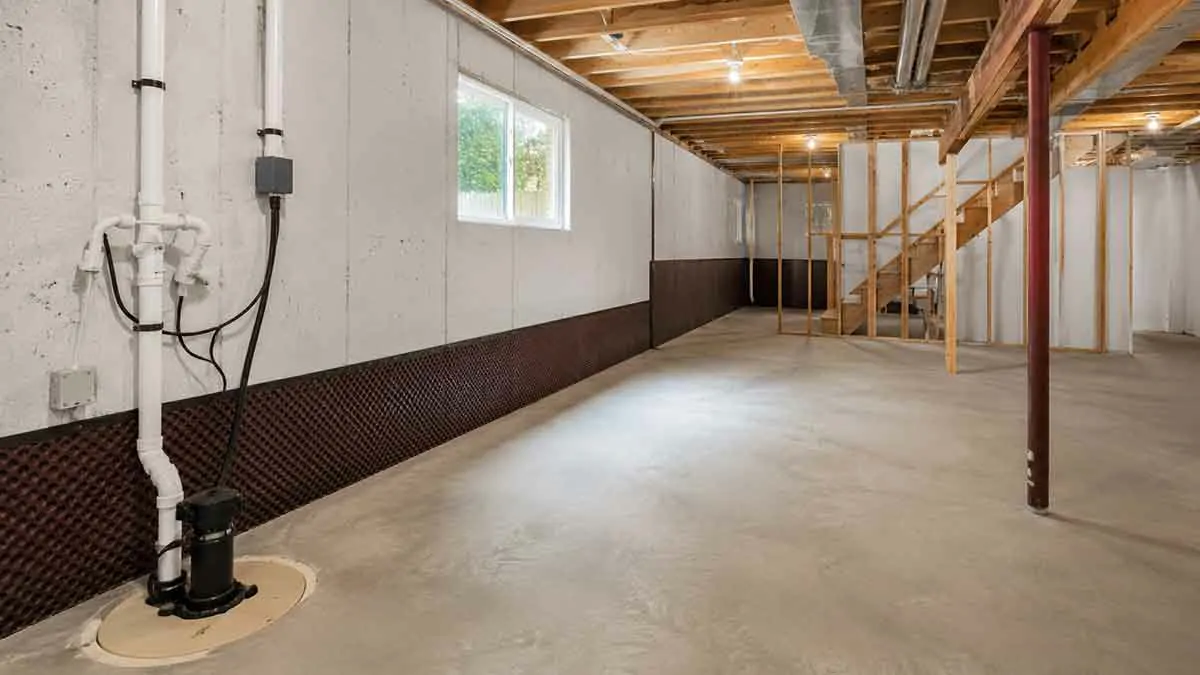
Basement water problems can lead to expensive repairs, structural damage, mold growth, and poor indoor conditions. Even a small amount of water entering a basement repeatedly can create long-term moisture issues that become more difficult to solve over time.
Common causes include heavy rainfall, poor drainage, foundation cracks, leaking pipes, clogged gutters, and groundwater pressure. The best way to protect your basement is to prevent water from reaching the foundation or entering the home in the first place.
This guide explains how to prevent basement water problems, identify common warning signs, and keep your basement dry throughout the year.
Table of Contents
Understand Where Basement Water Comes From
Before choosing a solution, it is important to identify the source of the water.
Basement moisture and water intrusion can come from several places, including:
- Rainwater collecting around the foundation
- Poor grading around the home
- Clogged or overflowing gutters
- Downspouts releasing water too close to the house
- Cracks in foundation walls or floors
- Leaking plumbing pipes
- Groundwater pressure
- Window well drainage problems
- Condensation caused by high humidity
Different causes require different solutions. For example, improving drainage around the home will not solve a leaking water pipe, while sealing an interior wall may not stop groundwater from building up outside the foundation.
Identifying the source is the first step toward preventing recurring basement water problems.
Keep Gutters and Downspouts Working Properly
Your roof drainage system plays an important role in protecting the foundation.
When gutters are clogged, rainwater can overflow and collect directly beside the house. Over time, repeated exposure to excess water can increase pressure on basement walls and create conditions that allow water to enter.
Inspect gutters regularly and remove leaves, dirt, and other debris.
Downspouts should also direct water away from the foundation. If they discharge too close to the home, consider adding extensions or another drainage solution that carries water farther away.
Pay particular attention to gutters before and during periods of heavy rain.
Improve the Grading Around Your Home
The ground surrounding your home should slope away from the foundation.
When the soil slopes toward the house, rainwater can collect near basement walls instead of draining away naturally.
Over time, soil can settle and change the original grading around the property. Areas that once directed water away from the home may eventually begin allowing water to flow toward the foundation.
Inspect the ground around your home and look for:
- Low areas near the foundation
- Soil that slopes toward the house
- Areas where rainwater collects
- Erosion caused by roof runoff
Correcting drainage problems outside the home is often one of the most effective ways to reduce basement water issues.
Inspect the Foundation for Cracks
Small cracks in basement walls or floors can allow moisture or water to enter.
Inspect visible foundation surfaces regularly, especially after heavy rain or seasonal temperature changes.
Look for:
- Cracks in walls
- Cracks in basement floors
- Water stains
- Damp areas
- Peeling paint or finishes
- White mineral deposits
- Areas where water repeatedly appears
Not every crack indicates a serious structural problem, but cracks that are growing, wide, or associated with water intrusion should be evaluated carefully.
Sealing minor cracks may help in some situations, but recurring water problems can indicate a larger drainage or foundation issue.
Keep Window Wells Clean and Draining
Basement windows located below ground level can create another path for water to enter.
Leaves, dirt, and other debris can collect inside window wells and block drainage. During heavy rainfall, water may build up and place pressure on the window.
Inspect window wells regularly and remove accumulated debris.
Make sure the drainage system inside the well is working properly. If water frequently collects in a window well, the problem may involve poor drainage around the foundation.
Window well covers can also help reduce the amount of rain, leaves, and debris entering the area.
Check for Plumbing Leaks
Not all basement water problems come from outside.
Water supply lines, drain pipes, water heaters, washing machines, and other appliances can leak and create moisture problems inside the basement.
Inspect visible plumbing regularly for:
- Dripping connections
- Corrosion
- Water stains
- Damp floors
- Leaking appliance hoses
- Puddles near plumbing fixtures
Even a slow leak can create significant moisture problems if it continues for a long period.
Repair plumbing leaks as soon as possible to prevent water damage and reduce the risk of mold growth.
Control Basement Humidity
Sometimes the basement feels damp even when there is no visible water intrusion.
This may be caused by condensation. Warm, humid air can come into contact with cool basement walls, pipes, or floors and create moisture.
Common signs of high basement humidity include:
- Musty odors
- Condensation on pipes
- Damp surfaces
- Mold or mildew growth
- Peeling paint
- A consistently damp feeling
Using a properly sized dehumidifier can help reduce indoor moisture levels.
Good ventilation may also help, but ventilation should be considered carefully because bringing humid outdoor air into a cool basement can sometimes increase condensation.
The goal is to maintain stable moisture conditions and identify the underlying source of excess humidity.
Test Your Basement During Heavy Rain
One of the best ways to identify drainage problems is to inspect the basement during or shortly after heavy rainfall.
Check for:
- Water entering through walls
- Water around basement windows
- Damp areas near the floor
- New water stains
- Puddles
- Increased humidity
Outside, observe how water moves around the property.
Look for overflowing gutters, downspouts releasing water near the foundation, and areas where rainwater pools against the home.
These observations can help you identify the path water is taking and determine which preventive measures are most appropriate.
Maintain Your Sump Pump
Homes with basements may use a sump pump to remove groundwater that collects beneath or around the foundation.
A sump pump is most useful when it operates correctly, so regular maintenance is important.
Periodically check the system to make sure:
- The pump turns on properly
- The discharge pipe is clear
- Water is directed away from the foundation
- The pump pit is free from excessive debris
- The power supply is functioning
- A backup system is available if appropriate
A sump pump may fail during a power outage or mechanical problem, so homeowners in areas with frequent basement flooding may want to consider additional backup protection.
Maintain Exterior Drainage Systems
Some homes rely on drainage systems installed around the foundation to move water away from the basement.
These systems can become less effective when pipes become blocked, damaged, or overwhelmed.
Watch for warning signs such as:
- Water returning after heavy rain
- Persistent damp areas
- Soil erosion near the foundation
- Frequent sump pump activity
- Water collecting in the same location
If a drainage system is suspected of failing, a professional inspection may be necessary.
Regular maintenance and early repairs can help prevent larger water problems.
Avoid Storing Valuable Items Directly on the Basement Floor
Even a well-maintained basement can experience an unexpected plumbing leak or water intrusion.
Store important items in a way that reduces the risk of water damage.
Avoid placing valuable documents, electronics, or other sensitive items directly on the basement floor.
Use shelving or elevated storage where possible, and consider using water-resistant storage containers for items that need additional protection.
This will not prevent water from entering the basement, but it can reduce damage if a problem occurs.
Seal Gaps Around Pipes and Utility Openings
Pipes, cables, and utility lines often pass through basement walls.
Gaps around these openings can allow water, moisture, or cold air to enter.
Inspect these areas and look for visible gaps or deteriorated sealing material.
Use an appropriate sealing method based on the location and type of opening. If water continues to enter around utility penetrations, the issue may involve exterior drainage or foundation movement and may require a more comprehensive repair.
Watch for Early Warning Signs
Basement water problems are often easier to manage when they are discovered early.
Pay attention to changes such as:
- A new musty smell
- Damp carpet or flooring
- Discoloration on walls
- Peeling paint
- Mold or mildew
- Water stains
- Increased condensation
- Puddles after rainfall
Do not assume that these signs will disappear permanently on their own.
Finding the source early can help prevent a minor moisture problem from developing into significant water damage.
Create a Seasonal Basement Maintenance Routine
A simple maintenance routine can help reduce the risk of recurring basement water problems.
Before the Rainy Season
- Clean gutters and downspouts.
- Inspect the grading around the foundation.
- Check basement windows and window wells.
- Inspect visible foundation cracks.
- Test the sump pump.
- Check for plumbing leaks.
During Heavy Rain
- Watch how water drains around the home.
- Check for overflowing gutters.
- Inspect the basement for new moisture.
- Look for water collecting near the foundation.
After Heavy Rain
- Inspect walls and floors for damp areas.
- Check window wells.
- Look for new cracks or water stains.
- Monitor humidity levels.
Regular inspections can help you identify patterns and determine whether a problem is becoming worse.
When to Call a Professional
Some basement water problems can be addressed with routine maintenance, while others require professional evaluation.
Consider contacting a qualified professional if:
- Water enters the basement repeatedly.
- You notice significant foundation cracks.
- The basement floods after heavy rain.
- A sump pump cannot keep up with incoming water.
- Mold continues to return.
- The source of the water is unclear.
- Water damage affects walls, floors, or electrical systems.
A professional can help determine whether the problem is related to drainage, plumbing, groundwater, foundation conditions, or another source.
Final Thoughts
The most effective way to prevent basement water problems is to control water before it reaches the foundation. Maintaining gutters, extending downspouts, improving grading, inspecting cracks, protecting window wells, and monitoring basement humidity can all reduce the risk of water damage.
Regular inspections are especially important before and during periods of heavy rain.
By identifying drainage and moisture problems early, you can protect your basement, reduce the risk of mold, and avoid more expensive repairs in the future.