
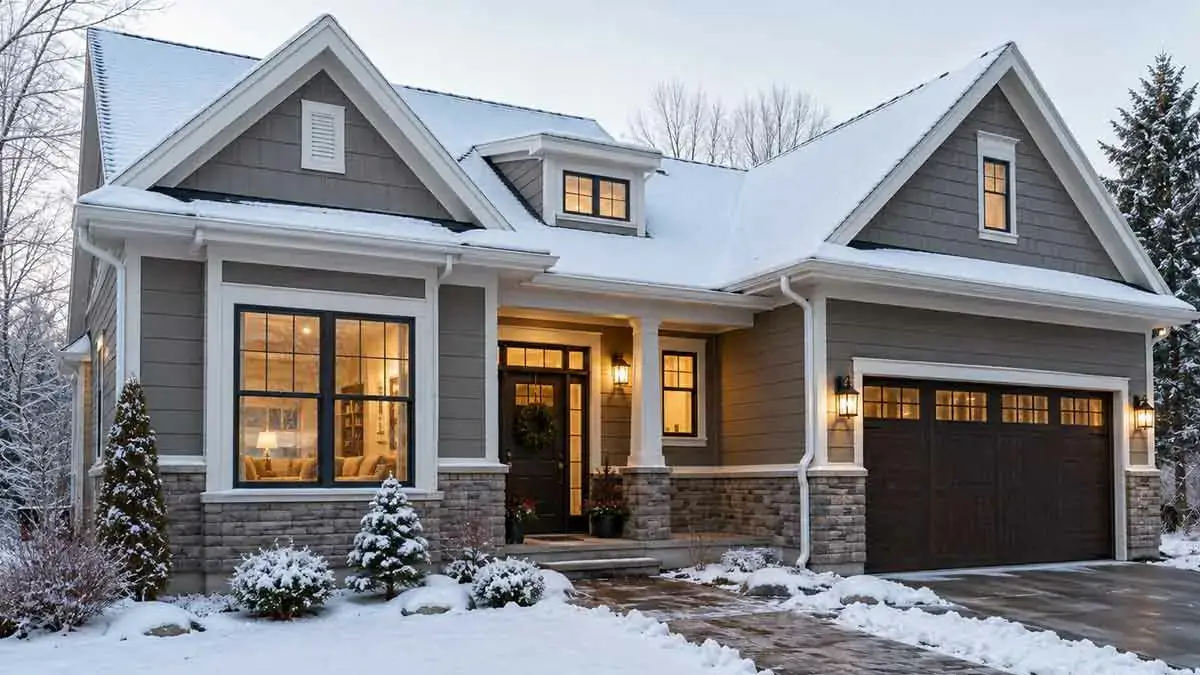
Preparing your home for winter is an important part of seasonal home maintenance. Cold temperatures, freezing conditions, heavy rain, snow, ice, and strong winds can expose weaknesses in your roof, plumbing, heating system, insulation, drainage, and exterior.
Winter preparation is not only about keeping the house warm. It is also about preventing frozen pipes, reducing drafts, controlling moisture, protecting the roof, maintaining safe access around the property, and making sure essential home systems are ready before severe weather arrives.
The best time to prepare is before temperatures drop significantly. A systematic inspection allows you to identify small problems while they are still easier and less expensive to address.
This guide explains how to prepare your home for winter, including what to inspect, what to maintain, which tasks homeowners can handle themselves, and when professional help is appropriate.
Table of Contents
Why Winter Home Preparation Matters
Winter weather can place additional stress on many parts of a home.
Preparing in advance can help:
- Reduce heat loss
- Improve indoor comfort
- Protect pipes from freezing
- Reduce the risk of water damage
- Prepare the heating system for increased use
- Protect the roof and gutters
- Control indoor moisture
- Improve outdoor safety
- Prepare for power interruptions
- Identify maintenance problems early
The amount of preparation required depends on the local climate. A home in an area with prolonged freezing temperatures and heavy snow requires different preparation from a home in a mild winter climate.
Create a Winter Preparation Plan
Before starting, walk around the property and inspect the major systems.
Create a list covering:
- Roof
- Gutters
- Downspouts
- Exterior walls
- Windows
- Doors
- Foundation
- Plumbing
- Heating system
- Attic
- Basement
- Crawl space
- Garage
- Trees
- Walkways
Prioritize problems that could affect safety, heating, plumbing, or water intrusion.
Completing essential repairs before severe weather arrives is generally easier than dealing with an emergency during a storm.
Inspect the Roof
The roof is one of the most important parts of the home to inspect before winter.
From a safe location, look for:
- Missing shingles or roofing materials
- Cracked or damaged materials
- Loose flashing
- Damaged roof vents
- Sagging areas
- Excessive debris
- Problems around chimneys and skylights
Pay particular attention to roof valleys and penetrations because these areas can be vulnerable to water intrusion.
Do not climb onto a wet, icy, steep, or otherwise hazardous roof. If a detailed inspection or repair is required, use a qualified roofing professional.
Clean and Inspect Gutters
Gutters should be cleaned before winter precipitation becomes frequent.
Remove accumulated:
- Leaves
- Twigs
- Seeds
- Dirt
- Roof debris
Then inspect the gutters for:
- Sagging
- Leaks
- Cracks
- Rust
- Loose fasteners
- Detached sections
Blocked or damaged gutters can contribute to water accumulation around the roof edge and foundation.
Check Downspouts and Drainage
Cleaning the gutters is only part of winter drainage preparation.
Make sure downspouts:
- Are free of blockages
- Remain securely connected
- Direct water away from the foundation
- Have functioning extensions where needed
Also inspect the ground around the home for standing water, erosion, or areas where drainage flows toward the foundation.
Good drainage is particularly important when rain, snow, and subsequent snowmelt increase the amount of water around the property.
Inspect the Exterior
Walk around the exterior before winter and look for visible damage.
Check:
- Exterior siding
- Foundation
- Window frames
- Door frames
- Exterior trim
- Vents
- Utility penetrations
- Caulking
Look for cracks, deteriorated seals, water stains, or openings that could allow cold air, rain, or pests to enter.
Repair appropriate defects before severe weather arrives.
Prepare the Heating System
Your heating system should be ready before you depend on it every day.
Depending on the type of system, preparation may include:
- Testing the system
- Replacing or cleaning filters
- Checking airflow
- Inspecting accessible components
- Scheduling professional maintenance
Pay attention to unusual noises, odors, poor airflow, inconsistent heating, or unexpected cycling.
If professional service is recommended for your system, schedule it before the coldest part of winter when service demand may be higher.
Replace or Check HVAC Filters
A dirty HVAC filter can restrict airflow and reduce system performance.
Check the filter according to the manufacturer’s recommended schedule.
Replace or clean it when appropriate for your particular system.
Do not assume that every filter should be replaced at the same interval because filter type, system design, and indoor conditions can vary.
Check Heating Vents and Airflow
Make sure furniture, rugs, curtains, and storage items are not blocking supply or return vents.
Good airflow can help distribute heated air more effectively throughout the home.
If some rooms remain consistently much colder than others, the problem may involve airflow, insulation, ductwork, windows, or the heating system itself.
Inspect the Chimney and Fireplace
If you use a fireplace or another vented heating appliance, make sure it is ready before regular winter use.
Check for visible:
- Damage
- Deterioration
- Blockages
- Unusual odors
- Problems around the surrounding structure
Follow the appliance manufacturer’s maintenance requirements.
Chimney and venting work should be performed by qualified professionals when inspection, cleaning, or repair is necessary.
Test Smoke and Carbon Monoxide Alarms
Winter heating season makes functioning safety alarms particularly important.
Test:
- Smoke alarms
- Carbon monoxide alarms
Follow the manufacturer’s instructions for battery replacement, testing, and alarm replacement.
Never disable an alarm simply because it activates unexpectedly. Investigate the cause and obtain professional assistance when necessary.
Check Windows and Doors for Drafts
Poorly sealed windows and doors can increase heat loss and make rooms uncomfortable.
Inspect for:
- Gaps
- Cracked glass
- Damaged frames
- Worn weatherstripping
- Failed caulking
- Damaged thresholds
Minor sealing problems may be addressed with appropriate weatherstripping or caulking.
If windows are damaged or poorly performing, consider a more detailed assessment rather than simply covering the problem temporarily.
Inspect Attic Insulation
Attic insulation helps reduce heat transfer between the living space and the attic.
Inspect accessible areas for:
- Missing insulation
- Uneven coverage
- Compressed insulation
- Wet materials
- Pest damage
- Visible gaps
If insulation is wet, determine why it became wet before adding more insulation.
Roof leaks, condensation, and air leakage can all create moisture problems that should be addressed at the source.
Check Attic Ventilation
Winter attic moisture can result from condensation, roof leaks, or warm indoor air entering the attic.
Inspect for:
- Condensation
- Frost
- Damp insulation
- Water stains
- Blocked ventilation openings
- Signs of roof leakage
Do not block intentional attic ventilation while trying to reduce drafts.
Persistent attic moisture should be professionally evaluated because the underlying cause may involve insulation, air sealing, ventilation, or roofing.
Protect Pipes From Freezing
Frozen pipes are one of the most important winter plumbing concerns in cold climates.
Pay attention to pipes located in:
- Unheated garages
- Crawl spaces
- Basements
- Exterior walls
- Other poorly insulated areas
Appropriate insulation can help protect vulnerable pipes.
During periods of extreme cold, follow appropriate measures for the plumbing system and local conditions. If a pipe freezes or bursts, shut off the main water supply when safe to do so and contact a qualified plumber if necessary.
Disconnect Outdoor Hoses
Before freezing weather arrives, disconnect garden hoses from exterior faucets.
Depending on the faucet and plumbing design, additional winterization may be necessary.
Follow the manufacturer’s instructions rather than assuming every exterior faucet should be handled in exactly the same way.
Prepare Irrigation Systems
Automatic irrigation systems may require winterization in areas where freezing temperatures are common.
Depending on the system, preparation may involve:
- Closing appropriate valves
- Draining water
- Protecting exposed components
- Following manufacturer instructions
Complex systems may require professional winterization.
Locate the Main Water Shutoff
Every homeowner should know where the main water shutoff is located.
Keep the area accessible and make sure household members know how to reach it.
If a pipe breaks during winter, shutting off the water quickly can significantly reduce water damage.
Inspect the Water Heater
Inspect the water heater before winter for visible signs of problems.
Look for:
- Leaks
- Corrosion
- Dampness
- Damaged connections
- Water around the unit
- Unusual noises
Follow the manufacturer’s maintenance recommendations.
Gas, electrical, and significant plumbing problems should be handled by appropriately qualified professionals.
Check Indoor Humidity
Winter heating can change indoor humidity significantly.
Excessive humidity may contribute to:
- Window condensation
- Damp surfaces
- Mold growth
- Moisture damage
Very low humidity can also make indoor conditions uncomfortable.
Use a humidity monitor and adjust ventilation, heating, humidification, or dehumidification as appropriate for the home and climate.
Prevent Winter Condensation
Cold outdoor temperatures can make interior surfaces colder, increasing the potential for condensation.
Watch for condensation on:
- Windows
- Exterior walls
- Pipes
- Cold corners
- Bathroom surfaces
If condensation becomes persistent, check indoor humidity, ventilation, airflow, insulation, and potential air leakage.
Do not simply wipe condensation repeatedly without investigating why it is occurring.
Inspect the Basement
Before winter, check the basement for moisture or plumbing problems.
Look for:
- Damp walls
- Water stains
- Foundation leaks
- Condensation
- Plumbing leaks
- Musty odors
Make sure drainage systems are functioning properly.
If water enters the basement repeatedly, address the source rather than relying only on a dehumidifier.
Test the Sump Pump
If your home has a sump pump, test it before periods of heavy rain, snowmelt, or other conditions that could increase basement water.
Check:
- Pump operation
- Float mechanism
- Power supply
- Discharge route
Keep the discharge area clear.
Homes with significant flood risk may require an appropriate backup strategy.
Check the Crawl Space
Crawl spaces can develop moisture problems during winter.
Inspect for:
- Standing water
- Damp soil
- Plumbing leaks
- Condensation
- Wet insulation
- Unusual odors
The appropriate moisture-control method depends on the crawl-space design and local building conditions.
Persistent moisture should be investigated rather than repeatedly dried without addressing the source.
Prepare the Garage
Cold weather can affect garage doors, seals, plumbing, and stored equipment.
Inspect:
- Garage door seals
- Door operation
- Safety sensors
- Exterior lighting
- Floor drainage
- Exposed plumbing
Keep the garage door’s operating area clear.
Avoid attempting repairs involving high-tension springs or cables unless you have the necessary training and equipment.
Inspect Driveways, Walkways, and Steps
Winter precipitation can make existing surface problems more hazardous.
Check for:
- Cracks
- Uneven surfaces
- Loose pavers
- Damaged steps
- Poor drainage
Repair significant hazards when appropriate and keep walkways clear of unnecessary obstacles.
Check Exterior Lighting
Shorter winter daylight hours make exterior lighting especially useful.
Inspect lights around:
- Entryways
- Walkways
- Stairs
- Driveways
- Garage entrances
Replace failed bulbs and repair damaged fixtures.
Good lighting can improve visibility and help reduce the risk of slips and falls.
Trim Dangerous Tree Branches
Inspect trees near the house before winter storms.
Look for dead, damaged, or unstable branches that could fall onto:
- The roof
- Vehicles
- Walkways
- Outdoor equipment
- Utility lines
Large branches or trees in hazardous locations should be handled by qualified tree professionals.
Protect Against Winter Pests
Cold temperatures can cause insects and rodents to seek shelter indoors.
Inspect for openings around:
- Doors
- Windows
- Pipes
- Vents
- Utility penetrations
- Foundation areas
Seal appropriate entry points while preserving intentional ventilation and drainage openings.
Prepare for Power Outages
Winter storms can sometimes interrupt electricity.
Know:
- Where the electrical panel is located
- How to safely reset a breaker
- Where the main water shutoff is located
- How your heating system behaves during a power outage
If you use a generator, follow the manufacturer’s instructions and applicable safety requirements.
Never operate a fuel-burning generator indoors, inside a garage, or in another enclosed space because of carbon monoxide hazards.
Create a Winter Emergency Kit
Keep basic supplies available in case severe weather causes temporary disruptions.
Depending on your circumstances, supplies may include:
- Flashlights
- Spare batteries
- First-aid supplies
- Basic tools
- Emergency water
- Necessary medications and household supplies
- Portable phone charging equipment
- Blankets appropriate for your climate
Adapt the kit to the weather risks and potential outages in your area.
Prepare Your Home Before a Winter Storm
If a significant storm is expected, perform a final check.
Inspect:
- Roof and gutters from a safe location
- Exterior doors and windows
- Heating system
- Exposed plumbing
- Emergency supplies
- Flashlights and batteries
- Outdoor drainage
- Trees and branches
Avoid starting hazardous exterior work once strong winds, heavy snow, or icy conditions have already arrived.
Winter Preparation Before Vacation
Leaving a home unattended during winter requires additional planning.
Depending on the climate and length of the trip:
- Maintain an appropriate indoor temperature
- Protect vulnerable plumbing
- Arrange for someone to monitor the property
- Check for active leaks
- Secure windows and doors
- Follow appropriate instructions for heating and water systems
Do not shut off heating or water systems without understanding how doing so could affect pipes, appliances, or the structure of the home.
Common Winter Preparation Mistakes
Waiting Until the First Freeze
Plumbing, heating, and exterior repairs should be addressed before severe cold arrives.
Ignoring Small Roof Problems
A small roofing defect can become a significant source of water intrusion during winter precipitation.
Forgetting the Gutters
Blocked gutters can cause drainage problems during rain, snowmelt, and freezing conditions.
Skipping Heating Maintenance
A heating system failure during severe cold can create serious comfort and property concerns.
Blocking Attic Ventilation
Sealing intentional ventilation openings can create moisture problems rather than solve them.
Ignoring Indoor Humidity
Winter humidity that is too high or too low can affect comfort and the condition of the home.
Failing to Locate the Water Shutoff
Knowing where the main shutoff is can save valuable time during a plumbing emergency.
Winter Home Preparation on a Budget
You do not have to complete every home improvement project before winter.
If your budget is limited, prioritize tasks that reduce the risk of serious damage or safety problems.
A practical priority order is:
- Heating system and safety equipment
- Frozen-pipe prevention
- Roof and water-intrusion inspection
- Gutter and drainage maintenance
- Plumbing leak repairs
- Window and door draft reduction
- Basement and attic moisture checks
- Outdoor safety improvements
Cosmetic improvements can generally wait until essential winter preparation is complete.
DIY vs. Professional Winter Preparation
Many basic winter preparation tasks can be handled safely by homeowners.
Suitable DIY Tasks
These may include:
- Replacing HVAC filters
- Testing smoke and carbon monoxide alarms
- Checking for visible drafts
- Inspecting accessible areas
- Disconnecting outdoor hoses
- Preparing emergency supplies
- Checking exterior lighting
- Monitoring indoor humidity
Tasks Better Left to Professionals
Professional assistance may be appropriate for:
- Roof repairs
- HVAC servicing
- Gas appliance work
- Electrical repairs
- Major plumbing
- Chimney inspections
- Structural repairs
- Difficult gutter work
- Large tree trimming
- Complex irrigation winterization
The goal of winter preparation is to reduce risk, not create new hazards by attempting work beyond your skills or equipment.
Winter Home Preparation Checklist
Use this checklist before winter arrives:
- Inspect the roof
- Check roof flashing and penetrations
- Clean gutters
- Inspect gutter condition
- Check downspouts
- Inspect exterior drainage
- Check the foundation
- Test the heating system
- Check or replace HVAC filters
- Clear heating vents
- Inspect the chimney and fireplace
- Test smoke alarms
- Test carbon monoxide alarms
- Check windows for drafts
- Inspect exterior doors
- Check attic insulation
- Inspect attic ventilation
- Protect vulnerable pipes
- Disconnect outdoor hoses
- Winterize irrigation when necessary
- Locate the main water shutoff
- Inspect the water heater
- Monitor indoor humidity
- Check for window condensation
- Inspect the basement
- Test the sump pump
- Check the crawl space
- Inspect the garage
- Check driveways and walkways
- Test exterior lighting
- Inspect nearby trees
- Check for pest entry points
- Prepare for power outages
- Assemble emergency supplies
- Perform a final inspection before severe weather
- Arrange property monitoring before extended winter travel
Final Thoughts
Preparing your home for winter is primarily about identifying vulnerabilities before cold weather turns them into emergencies.
Start with the systems that protect the home from water intrusion, frozen pipes, heating failures, and unsafe conditions. Inspect the roof and drainage, prepare the heating system, protect vulnerable plumbing, check windows and doors, review attic insulation and ventilation, and test essential safety equipment.
Winter preparation does not require completing every possible home improvement project. Focus first on repairs and maintenance that protect people, prevent major damage, and keep essential systems operating.
A thorough inspection before winter arrives can help you find small problems early, improve home comfort, and reduce the likelihood of expensive repairs during severe weather.