
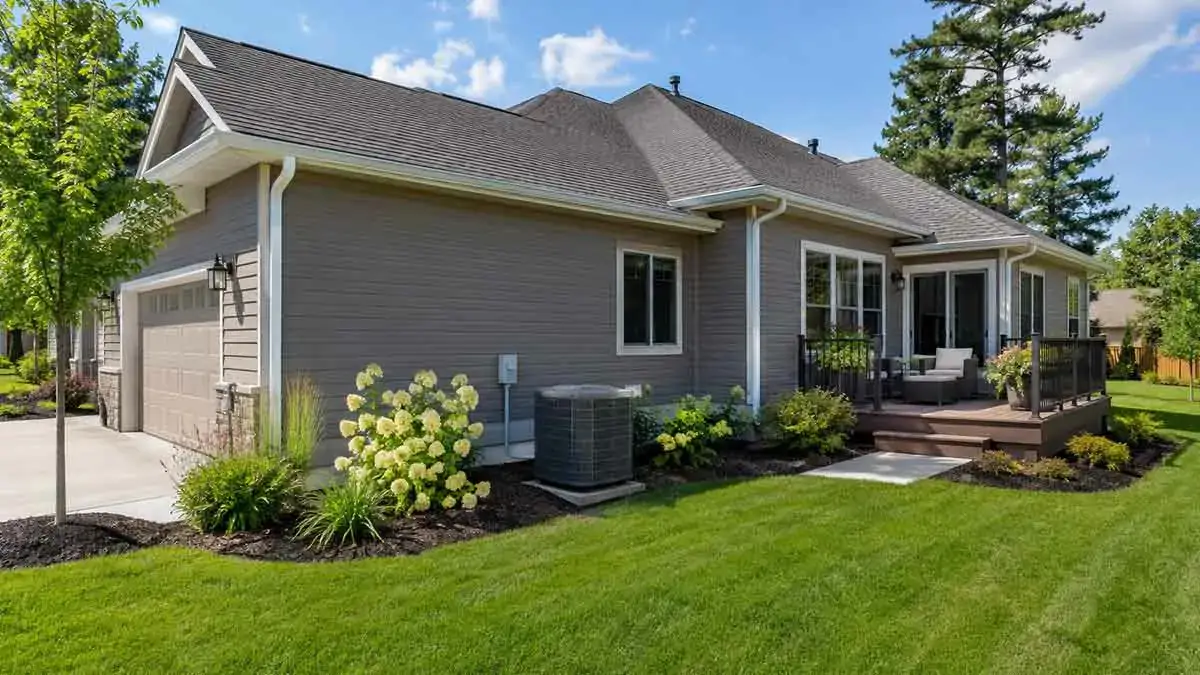
Summer is an important season for home maintenance. Warmer temperatures, increased humidity, storms, heavy air conditioning use, and more time spent outdoors can place additional demands on the home and its major systems.
A summer home maintenance checklist helps homeowners inspect cooling equipment, maintain outdoor spaces, manage moisture, protect the exterior, and identify problems before they become expensive repairs.
Some summer tasks are simple, such as cleaning outdoor areas and checking air filters. Others, including HVAC repairs, electrical work, roof repairs, and structural problems, may require qualified professionals.
This guide provides a practical summer home maintenance checklist covering the interior, exterior, HVAC system, plumbing, landscaping, safety equipment, and outdoor areas.
Table of Contents
Why Is Summer Home Maintenance Important?
Summer maintenance helps keep the home comfortable and protects it from heat, humidity, storms, and increased outdoor activity.
Regular summer maintenance can help you:
- Improve cooling system performance
- Reduce unnecessary energy use
- Identify water leaks
- Protect the roof and exterior
- Maintain drainage
- Prevent outdoor structure deterioration
- Control moisture
- Maintain landscaping
- Improve home safety
- Prepare for severe summer weather
Summer is also a useful time to address exterior problems because many repairs and maintenance projects are easier to complete in favorable weather.
Summer Home Maintenance Checklist
Begin with a walk around the property.
Look for:
- Water damage
- Cracked or deteriorated surfaces
- Overgrown vegetation
- Drainage problems
- Roof damage
- Pest activity
- Unsafe outdoor structures
- HVAC problems
Prioritize problems that involve water intrusion, structural damage, electrical hazards, or major mechanical systems.
Inspect and Maintain the Air Conditioning System
The air conditioning system often operates heavily during summer.
Monitor the system for:
- Weak airflow
- Uneven cooling
- Unusual noises
- Unusual odors
- Water leaks
- Frequent cycling
- Poor cooling performance
Check the thermostat settings and make sure supply and return vents are not blocked.
If the system does not cool properly or shows signs of a mechanical problem, contact a qualified HVAC professional.
Replace or Clean HVAC Filters
A dirty HVAC filter can restrict airflow and reduce system performance.
Check the filter according to the equipment manufacturer’s recommendations.
Replacement frequency depends on factors such as:
- Filter type
- HVAC system design
- Pets
- Indoor air conditions
- Occupancy
Do not assume every filter needs to be replaced on the same schedule.
Check Outdoor HVAC Equipment
If the home has an outdoor condenser or heat pump unit, keep the area around it clear.
Remove:
- Leaves
- Grass clippings
- Branches
- Debris
- Excessive vegetation
Maintain the clearance specified by the manufacturer.
Do not damage fins, coils, electrical components, or refrigerant lines while cleaning around the equipment.
Inspect Attic Ventilation and Insulation
Summer heat can make attic conditions significantly warmer than the living space.
Inspect accessible areas for:
- Blocked vents
- Moisture
- Damaged insulation
- Pest activity
- Signs of roof leaks
Proper attic ventilation and insulation work together to manage heat and moisture.
Avoid blocking designed ventilation pathways.
Check Windows and Doors
Summer is a good time to inspect the home’s exterior openings.
Check:
- Window screens
- Locks
- Frames
- Weatherstripping
- Caulking
- Door thresholds
Repair damaged screens before insects become a larger problem.
Replace deteriorated weatherstripping or caulking where appropriate to help control air leakage and moisture intrusion.
Inspect Exterior Caulking
Heat and weather exposure can cause sealants to deteriorate.
Inspect caulking around:
- Windows
- Doors
- Trim
- Utility penetrations
- Exterior joints
Replace cracked, loose, or missing sealant with a compatible product.
Do not use caulk to hide structural movement or active moisture problems. Address the underlying issue first.
Inspect the Roof
Summer storms, wind, and heat can expose roofing problems.
From a safe location, look for:
- Missing or damaged roofing materials
- Damaged flashing
- Loose components
- Debris
- Damaged vents
- Signs of water intrusion
Check the attic for corresponding moisture or staining when accessible.
Avoid walking on the roof unless you are properly trained and equipped. Use a qualified roofing professional when the roof is steep, damaged, or difficult to access.
Clean and Check Gutters and Downspouts
Gutters should remain clear during summer storms.
Remove accumulated:
- Leaves
- Dirt
- Twigs
- Roof debris
Check that:
- Gutters are securely attached
- Water flows freely
- Downspouts are unobstructed
- Discharge areas direct water away from the foundation
Proper drainage can reduce the risk of water intrusion and soil erosion.
Check the Foundation and Drainage
Summer rain can reveal drainage problems around the home.
Inspect for:
- Standing water
- Soil erosion
- Poor grading
- Blocked drainage
- Water collecting near the foundation
Check downspout discharge areas and make sure water is directed away from the structure.
Persistent moisture or significant foundation changes should be professionally evaluated.
Inspect Exterior Walls and Siding
Inspect exterior surfaces for signs of deterioration.
Depending on the home, check:
- Siding
- Brick
- Stucco
- Wood
- Exterior trim
- Painted surfaces
Look for:
- Cracks
- Rot
- Loose materials
- Peeling paint
- Staining
- Moisture damage
Repair damaged areas before continued exposure to weather causes additional deterioration.
Check the Driveway and Walkways
Inspect hardscape areas for:
- Cracks
- Uneven surfaces
- Loose pavers
- Drainage problems
- Surface deterioration
- Trip hazards
Repair significant damage and improve drainage where necessary.
Keep walkways clear of vegetation and outdoor equipment.
Maintain the Lawn
Summer lawn care depends heavily on grass type, climate, rainfall, and local water restrictions.
Regular tasks may include:
- Mowing appropriately
- Removing excessive weeds
- Watering when necessary
- Repairing damaged areas
- Maintaining lawn edges
Avoid cutting grass excessively short because mowing requirements vary by grass species and local conditions.
Water efficiently and follow applicable local watering restrictions.
Maintain Trees and Shrubs
Summer is a good time to monitor landscaping growth.
Inspect trees and shrubs for:
- Dead branches
- Diseased growth
- Excessive growth
- Branches touching structures
- Obstructions near walkways
Keep vegetation away from:
- Roofs
- Windows
- Exterior equipment
- Electrical equipment
- Walkways
Use appropriate pruning practices for the specific plant species and local climate.
Large or hazardous branches should be handled by qualified tree professionals.
Check Irrigation Systems
Inspect irrigation systems before periods of heavy use.
Check for:
- Broken sprinkler heads
- Leaking connections
- Clogged emitters
- Damaged hoses
- Uneven coverage
Adjust watering schedules according to weather conditions, plant needs, and local regulations.
Repair leaks promptly because a damaged irrigation system can waste significant amounts of water and contribute to drainage problems.
Inspect Decks and Porches
Summer is a common time for outdoor activities, so inspect decks and porches carefully.
Check:
- Deck boards
- Railings
- Stairs
- Fasteners
- Structural connections
- Surface deterioration
Look for:
- Rot
- Cracks
- Loose components
- Splintered wood
- Unstable railings
Structural damage should be professionally evaluated rather than covered with cosmetic repairs.
Maintain the Patio and Outdoor Living Areas
Clean and inspect:
- Patios
- Outdoor furniture
- Grills
- Shade structures
- Outdoor storage
- Porches
Check furniture and structures for loose hardware, corrosion, deterioration, or instability.
Follow manufacturer instructions when cleaning outdoor materials and equipment.
Inspect Outdoor Lighting
Check lighting around:
- Walkways
- Driveways
- Entrances
- Patios
- Decks
- Landscaping
Replace failed bulbs and inspect fixtures for:
- Damage
- Loose connections
- Corrosion
- Water exposure
Outdoor electrical equipment should be rated and installed appropriately for exterior conditions.
Check Outdoor Faucets and Hoses
Inspect outdoor faucets for:
- Leaks
- Cracks
- Loose connections
- Unusual water flow
Check hoses for deterioration and replace damaged fittings when necessary.
If water leaks from inside the wall when an exterior faucet is turned on, contact a qualified plumber.
Inspect Plumbing for Leaks
Warm weather does not eliminate plumbing problems.
Check:
- Under sinks
- Toilets
- Faucets
- Shower connections
- Washing machine connections
- Visible supply lines
Look for:
- Dampness
- Drips
- Corrosion
- Water stains
- Unusual odors
Address active leaks promptly to reduce the risk of water damage.
Maintain the Water Heater
Inspect the water heater for visible warning signs.
Look for:
- Leaks
- Corrosion
- Damaged connections
- Unusual noises
- Inconsistent hot water
Follow the manufacturer’s maintenance instructions.
Gas-related problems, electrical faults, significant leaks, or major equipment failures should be handled by qualified professionals.
Clean and Inspect Dryer Ventilation
Summer is a good time to review dryer ventilation.
Clean the lint filter after every load and inspect the vent system regularly.
Watch for:
- Excessive lint
- Long drying times
- Reduced airflow
- Damaged vent materials
- Unusual heat around the dryer
Professional cleaning may be appropriate for long, complex, or difficult-to-access vent systems.
Check the Garage
Inspect:
- Garage door operation
- Safety sensors
- Weather seals
- Door hardware
- Lighting
- Floor condition
Keep the operating area clear of objects.
Do not attempt to repair high-tension springs or cables unless you have the appropriate training and equipment.
Test Smoke and Carbon Monoxide Alarms
Test smoke and carbon monoxide alarms according to manufacturer instructions.
Check that:
- Alarms respond to their test functions
- Batteries are maintained as recommended
- Units are not damaged
- Alarm locations remain appropriate
Replace alarms according to manufacturer recommendations.
Inspect Fire Extinguishers
Check that fire extinguishers are:
- Accessible
- Undamaged
- Properly charged
- Within their service life
Follow manufacturer instructions and applicable local requirements.
Check Home Security
Summer often means more open windows, doors, and outdoor activity.
Review:
- Exterior door locks
- Window locks
- Garage security
- Exterior lighting
- Cameras
- Alarm systems
Make sure security equipment is functioning properly and that outdoor areas remain adequately illuminated.
Prepare for Summer Storms
Summer storms can bring strong winds, heavy rain, lightning, and localized flooding.
Before severe weather, check:
- Roof condition
- Gutters
- Downspouts
- Trees near the house
- Outdoor furniture
- Drainage
- Sump pump operation
- Emergency supplies
Secure or store loose outdoor objects when severe weather is expected.
Keep important emergency equipment accessible and know how to shut off utilities when appropriate.
Summer Pest Prevention
Warm weather can increase pest activity.
Inspect for entry points around:
- Doors
- Windows
- Screens
- Pipes
- Utility penetrations
- Foundation openings
Reduce conditions that attract pests by controlling:
- Standing water
- Food waste
- Excessive vegetation
- Moisture
Repair damaged screens and seal appropriate openings.
Significant or recurring infestations may require qualified pest control assistance.
Summer Home Maintenance Safety
Safety should be a priority when completing outdoor maintenance.
Use appropriate precautions when:
- Working on ladders
- Cleaning gutters
- Operating lawn equipment
- Using power tools
- Pruning trees
- Working around electrical equipment
- Using cleaning chemicals
Avoid working on roofs or electrical systems without the appropriate training and equipment.
Stay aware of heat exposure when performing outdoor work during hot weather. Schedule demanding tasks during cooler parts of the day when practical.
DIY vs. Professional Summer Maintenance
Many summer maintenance tasks are suitable for homeowners.
DIY-friendly tasks may include:
- Replacing HVAC filters
- Cleaning windows
- Basic lawn maintenance
- Checking for visible leaks
- Cleaning accessible gutters safely
- Inspecting screens
- Testing alarms
- Cleaning outdoor areas
Professional assistance may be appropriate for:
- HVAC repairs
- Electrical work
- Roof repairs
- Major plumbing problems
- Structural repairs
- Large tree work
- Significant foundation concerns
- Complex drainage projects
Use qualified professionals for work involving specialized systems, major safety risks, or structural components.
Summer Home Maintenance Costs
Summer maintenance costs depend on:
- Home size
- Age
- Location
- Climate
- Construction type
- Existing condition
- Mechanical systems
Many routine tasks require little or no professional expense.
Potential higher-cost projects include:
- HVAC repairs
- Roof repairs
- Exterior painting
- Deck repairs
- Landscaping
- Drainage improvements
- Window replacement
Prioritize problems involving water intrusion, structural deterioration, safety hazards, and major system failures.
Common Summer Home Maintenance Mistakes
Ignoring the Air Conditioner
Waiting for the system to fail during extreme heat can lead to discomfort and potentially longer repair delays.
Neglecting Gutters During Summer
Summer storms can quickly expose drainage problems.
Overwatering the Lawn
Excessive irrigation can waste water and contribute to drainage and moisture problems.
Cutting Grass Too Short
Grass height should be appropriate for the specific species and local growing conditions.
Ignoring Roof Damage
Small roofing problems can allow water to enter during heavy storms.
Forgetting About Attic Moisture
High temperatures do not eliminate moisture problems. Poor ventilation, roof leaks, and air leakage can still create attic issues.
Using Unsafe DIY Methods
Roof work, electrical repairs, structural repairs, and other specialized projects can create serious safety risks when performed incorrectly.
Summer Home Maintenance Checklist at a Glance
HVAC
- Check air conditioning performance
- Replace or clean filters as required
- Keep outdoor equipment clear
- Inspect attic ventilation
- Schedule professional service when needed
Exterior
- Inspect the roof
- Clean gutters and downspouts
- Check siding and exterior walls
- Inspect caulking
- Check the foundation and drainage
- Inspect the driveway and walkways
Plumbing
- Check visible plumbing for leaks
- Inspect outdoor faucets
- Check hoses and irrigation
- Inspect the water heater
- Monitor moisture problems
Landscaping
- Maintain the lawn
- Inspect trees and shrubs
- Check irrigation
- Remove hazardous vegetation
- Maintain outdoor areas
Outdoor Structures
- Inspect decks
- Check porches
- Maintain patios
- Inspect outdoor furniture
- Check exterior lighting
Safety
- Test smoke alarms
- Test carbon monoxide alarms
- Inspect fire extinguishers
- Check garage door safety features
- Review home security
- Prepare for severe weather
Final Thoughts
A summer home maintenance checklist helps homeowners prepare for higher cooling demand, warmer temperatures, storms, and increased outdoor activity.
Start with the systems that protect the home and affect daily comfort: the air conditioner, roof, gutters, drainage, plumbing, and exterior surfaces. Then maintain the lawn, landscaping, deck, patio, garage, and other outdoor areas.
Pay particular attention to water management and severe-weather preparation during summer. Address leaks, drainage problems, roof damage, and structural concerns before they become more serious.
Not every task needs to be completed at the same frequency. Adapt your summer maintenance routine to your home’s age, construction, climate, equipment, and local weather conditions.
Consistent seasonal maintenance can help protect the property, improve comfort, reduce unexpected repairs, and keep the home in better condition throughout the year.