
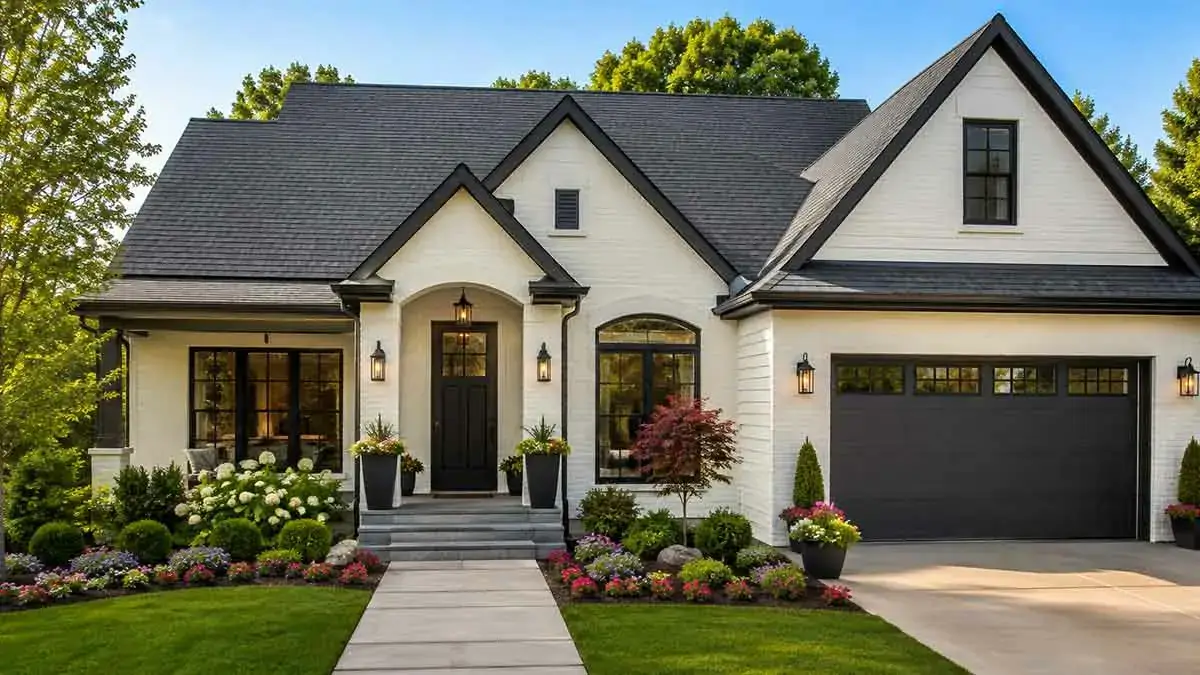
Curb appeal is the overall appearance of a home and its property when viewed from the street. A home with strong curb appeal looks clean, welcoming, well maintained, and visually connected to its surroundings.
Improving curb appeal does not always require an expensive exterior renovation. Simple projects such as cleaning the facade, refreshing the front door, trimming landscaping, updating house numbers, or improving outdoor lighting can create a noticeable difference.
Larger projects, including exterior painting, new siding, driveway improvements, porch renovations, fencing, or landscape redesign, can produce a more substantial transformation.
The key is to prioritize visible problems first and then add improvements that complement the home’s architecture, climate, and surrounding landscape.
This guide explains practical ways to improve your home’s curb appeal, from affordable maintenance projects to larger exterior upgrades.
Table of Contents
What Is Curb Appeal?
Curb appeal refers to how attractive and well maintained a home looks from the street.
It includes more than the house itself. The overall impression can be influenced by:
- Exterior walls or siding
- Front door
- Windows and trim
- Porch
- Landscaping
- Lawn
- Walkway
- Driveway
- Garage door
- Outdoor lighting
- House numbers
- Mailbox
- Fencing
- General cleanliness and maintenance
Good curb appeal comes from making these elements work together rather than treating each feature as a separate project.
Why Is Curb Appeal Important?
A home’s exterior creates the first visual impression of the property.
Improving curb appeal can help:
- Make the home look better maintained
- Create a more welcoming entrance
- Improve the appearance of the front yard
- Highlight architectural features
- Make outdoor spaces feel more intentional
- Improve nighttime visibility
- Increase the perceived quality of the property
If you are preparing to sell, curb appeal can also help create a stronger first impression for prospective buyers. However, cosmetic improvements should not replace necessary repairs.
Start With a Curb Appeal Assessment
Before buying materials or starting renovations, evaluate the property from the street.
Stand at several viewing points and look for:
- Peeling or faded paint
- Dirty siding or brick
- Overgrown plants
- Damaged walkways
- Cracked driveways
- Worn landscaping
- Outdated lighting
- Clutter around the entrance
- Damaged fencing
- Poorly maintained doors or windows
Taking photos can make it easier to identify problems that may not be obvious when you are standing close to the house.
Start with the most visible maintenance issues. There is usually little value in adding decorative features while basic exterior problems remain noticeable.
Clean the Exterior
Cleaning is one of the simplest ways to improve curb appeal.
Depending on the materials used, clean:
- Siding
- Brick
- Exterior walls
- Windows
- Front door
- Porch
- Walkways
- Driveway
- Outdoor fixtures
Remove dirt, dust, cobwebs, leaves, stains, and other buildup.
Use a cleaning method appropriate for each surface. Pressure washing can be effective on some materials, but excessive pressure can damage wood, siding, mortar, paint, seals, and other finishes.
Cleaning windows and exterior light fixtures can also improve the appearance of the home without requiring a major investment.
Repair Visible Exterior Damage
Before focusing on decoration, repair problems that make the property appear neglected.
Check for:
- Cracked or damaged surfaces
- Loose trim
- Rotting wood
- Broken railings
- Damaged steps
- Missing siding
- Loose gutters
- Damaged fence sections
- Broken exterior lights
- Deteriorated caulking
Small repairs can have a surprisingly large effect on curb appeal because they eliminate visible signs of neglect.
If damage appears structural or extensive, have it evaluated before applying cosmetic finishes.
Refresh the Front Door
The front door is often one of the strongest visual focal points of the home.
Simple improvements include:
- Repainting the door
- Replacing worn hardware
- Updating the door handle
- Installing a new door knocker
- Adding a welcome mat
- Improving door lighting
- Adding a simple seasonal decoration
A carefully selected accent color can make the entrance stand out while still coordinating with the siding, trim, roof, and landscaping.
Make sure exterior paint and finishes are appropriate for the door material and local weather conditions.
Choose a Coordinated Exterior Color Scheme
A coordinated color palette can make the entire property look more polished.
A simple approach is to choose:
- A primary exterior color
- A trim color
- An accent color for the front door or selected details
Consider how these colors work with:
- Roof material
- Siding
- Brick
- Windows
- Garage door
- Porch
- Landscaping
- Driveway
Avoid selecting each element independently. A cohesive palette is usually more effective than using many unrelated colors.
Repaint the Exterior
Exterior painting can dramatically change the appearance of a home when the existing finish is faded, peeling, or outdated.
Before painting:
- Inspect the surface
- Repair damage
- Clean the exterior
- Remove loose paint
- Prepare the surface
- Prime where necessary
- Select an exterior-rated coating
The condition of the underlying surface matters as much as the paint color. Painting over damaged or poorly prepared surfaces can lead to premature failure.
For large or multi-story homes, professional painting may be appropriate.
Improve the Front Porch
A front porch can be one of the most important curb appeal features.
Consider:
- Cleaning the porch
- Repainting suitable surfaces
- Repairing damaged flooring
- Updating railings
- Adding appropriate seating
- Installing better lighting
- Adding planters
- Replacing worn accessories
Keep the porch functional and visually organized. Too much furniture or decoration can make even a large porch feel crowded.
Improve the Landscaping
Landscaping has a major influence on how a home looks from the street.
Focus on:
- Healthy plants
- Well-maintained lawn
- Defined planting areas
- Balanced shrubs
- Seasonal flowers
- Appropriate trees
- Ground cover
- Mulch
- Decorative stone
Select plants based on local climate, soil conditions, sunlight, mature size, and maintenance requirements.
Good landscaping should frame the home rather than hide important architectural features.
Maintain the Lawn
A neglected lawn can quickly reduce curb appeal.
Regular maintenance may include:
- Mowing
- Removing weeds
- Watering appropriately
- Fertilizing when necessary
- Repairing bare areas
- Trimming edges
- Removing leaves and debris
Lawn requirements vary by grass type and climate. Avoid watering or fertilizing unnecessarily, and choose maintenance practices appropriate for the local environment.
Define Garden Beds
Clean garden bed edges can make landscaping appear more deliberate.
Possible edging materials include:
- Brick
- Stone
- Pavers
- Metal edging
- Concrete
- Natural landscape borders
The best option should complement the home’s exterior and existing hardscape.
Avoid overly elaborate borders if the rest of the property has a simple design.
Add Mulch
Mulch can create a clean transition between plants and surrounding lawn or hardscape.
It can also help:
- Suppress weeds
- Retain soil moisture
- Protect plant roots
- Define planting areas
- Give garden beds a finished appearance
Use an appropriate depth and type of mulch for the plants and local conditions.
Choose a color that supports the overall exterior rather than becoming the dominant visual feature.
Add Planters Near the Entrance
Planters are an easy way to add color and structure to the front entrance.
They can be placed:
- Beside the front door
- At the edge of the porch
- Along the walkway
- Near the garage
- Around entry steps
Matching planters can create symmetry, while different containers can create a more casual appearance.
Choose plants according to sunlight, climate, container size, and maintenance requirements.
Trim Overgrown Plants
Overgrown vegetation can obscure windows, walkways, doors, and architectural details.
Trim plants that interfere with:
- Windows
- Doors
- Walkways
- Roof edges
- Exterior equipment
- Utility access
Consider the mature size of plants before cutting them severely or removing them.
The objective is to improve visibility and maintain a balanced landscape while preserving healthy vegetation where possible.
Improve the Front Walkway
The walkway creates an important connection between the street, driveway, and front door.
Improve it by:
- Cleaning the surface
- Repairing cracks
- Correcting uneven sections
- Defining the edges
- Removing overgrown vegetation
- Adding appropriate lighting
- Improving drainage
A clear and well-maintained walkway can make the entrance feel more intentional and welcoming.
Upgrade the Driveway
The driveway may occupy a substantial portion of the visible front property.
Curb appeal improvements can include:
- Deep cleaning
- Crack repair
- Resurfacing
- Sealing suitable surfaces
- Improving edges
- Adding decorative borders
- Improving drainage
If the driveway has widespread structural deterioration, replacement may be more practical than repeatedly repairing the surface.
Avoid expanding a driveway simply for appearance without considering drainage, landscaping, property layout, and local requirements.
Improve Exterior Lighting
Exterior lighting improves both nighttime appearance and visibility.
Useful locations include:
- Front door
- Porch
- Steps
- Walkway
- Driveway
- Garage
- Architectural features
Instead of relying on one extremely bright fixture, use several appropriately positioned lights.
Choose outdoor-rated fixtures and install electrical components according to applicable requirements.
Add Landscape Lighting
Landscape lighting can highlight attractive features after dark.
Consider illuminating:
- Trees
- Shrubs
- Garden beds
- Walkways
- Architectural elements
- Entry features
Use restraint. Excessive lighting can make the property look harsh and create unwanted glare.
A small number of carefully positioned fixtures can often create a more attractive result.
Update House Numbers
House numbers are a small detail, but they contribute to both appearance and visibility.
Choose numbers that are:
- Easy to read
- Clearly visible from the street
- Durable
- Appropriate for the home’s architectural style
Modern metal numbers may suit contemporary homes, while traditional plaques can work well with classic architectural styles.
Upgrade the Mailbox
A visible mailbox is part of the property’s street-facing appearance.
Consider:
- Replacing a damaged mailbox
- Repainting the post
- Updating the mailbox style
- Repairing surrounding landscaping
- Improving the condition of the mounting area
Keep the mailbox design consistent with the home’s overall style.
Improve the Garage Door
For many homes, the garage door is one of the largest elements on the front facade.
Possible improvements include:
- Cleaning the door
- Repainting it
- Replacing worn hardware
- Repairing damaged sections
- Updating the door
- Adding appropriate decorative windows
The garage door does not necessarily need to match the front door exactly. It should instead work harmoniously with the home’s broader color and material palette.
Update Exterior Hardware
Small hardware changes can create a more coordinated appearance.
Consider updating:
- Door handles
- Doorbell
- House numbers
- Exterior light fixtures
- Address plaques
- Mailbox hardware
Using a consistent finish across several elements can make the exterior look more intentional without requiring major renovation.
Improve Windows and Shutters
Windows are an important part of the front facade.
Simple improvements include:
- Cleaning the glass
- Repairing damaged trim
- Repainting suitable frames
- Updating shutters
- Replacing severely deteriorated components
If shutters are used, their size and placement should look proportional to the windows.
Avoid adding decorative shutters solely because they are fashionable if they do not fit the architectural style of the home.
Refresh Exterior Trim
Exterior trim helps define windows, doors, rooflines, porches, and other architectural features.
Inspect:
- Window trim
- Door trim
- Fascia
- Porch trim
- Garage trim
Repair damaged sections and repaint where necessary.
A clean, well-maintained trim finish can make the entire exterior look sharper.
Improve or Replace the Fence
A fence can strongly influence the appearance of the property from the street.
Improvements may include:
- Cleaning
- Repairing damaged sections
- Repainting
- Staining suitable materials
- Replacing broken gates
- Improving surrounding landscaping
Choose a fence style that complements the house rather than competing with it.
Create a Focal Point
A strong exterior usually benefits from one or two clear focal points.
Possible focal points include:
- Front door
- Porch
- Architectural detail
- Large tree
- Landscape feature
- Attractive lighting
Avoid making every element equally prominent.
A well-defined focal point helps guide attention toward the entrance and creates a more organized visual composition.
Make the Front Entrance More Welcoming
The entrance should be easy to identify and approach.
A simple combination can include:
- Clean walkway
- Attractive lighting
- Refreshed front door
- House numbers
- Planters
- Welcome mat
Keep unnecessary objects and clutter away from the entrance.
The goal is to make the path to the front door visually clear and physically convenient.
Use Symmetry and Repetition
Symmetry can make an entrance appear balanced and organized.
For example, matching planters or wall lights can be placed on opposite sides of the front door.
Even when a completely symmetrical design is not appropriate, repeating materials, finishes, or shapes can create visual consistency.
Use repetition carefully so the exterior feels coordinated rather than overly formal.
Improve Curb Appeal on a Budget
Many effective curb appeal improvements cost relatively little.
Affordable projects include:
- Cleaning the exterior
- Washing windows
- Trimming plants
- Mowing and edging the lawn
- Adding mulch
- Repainting the front door
- Replacing a welcome mat
- Updating house numbers
- Adding planters
- Cleaning the driveway
- Installing simple outdoor lighting
A useful strategy is to complete maintenance first, then spend money on the most visible improvements.
Curb Appeal Ideas for Older Homes
Older homes often benefit from improvements that preserve their original character.
Consider:
- Repairing original trim
- Restoring the front door
- Refreshing traditional colors
- Maintaining architectural details
- Improving landscaping
- Updating lighting without overwhelming the design
- Repairing rather than unnecessarily replacing distinctive features
Modernizing an older home does not require removing every traditional detail. Improvements should balance safety, maintenance, and the character of the property.
Modern Curb Appeal Ideas
Modern curb appeal generally works best with a simple and coordinated design.
Consider:
- Limited exterior colors
- Clean landscaping
- Minimal decoration
- Contemporary lighting
- Simple house numbers
- Defined walkways
- Modern door hardware
- Simple geometric planting arrangements
Avoid combining too many materials, colors, and decorative elements.
Traditional Curb Appeal Ideas
Traditional homes can benefit from details that reinforce their architectural character.
Ideas include:
- Symmetrical landscaping
- Classic porch furniture
- Brick or stone accents
- Traditional exterior lighting
- Neutral color palettes
- Structured garden beds
- Classic-style house numbers
The goal is to enhance the existing architecture rather than make the exterior feel disconnected from its original design.
How to Improve Curb Appeal Before Selling
When preparing a home for sale, prioritize improvements that are visible from the street and address obvious maintenance problems.
A practical order is:
- Clean the exterior.
- Remove unnecessary clutter.
- Maintain the lawn.
- Trim landscaping.
- Repair visible damage.
- Clean windows.
- Refresh the front door.
- Improve the walkway and driveway.
- Update exterior lighting.
- Replace visibly worn hardware.
A complete exterior renovation is not always necessary. Well-executed maintenance and targeted improvements can create a strong first impression without requiring a major investment.
Curb Appeal Improvement Costs
The cost of improving curb appeal varies significantly depending on the condition of the property and the size of the project.
Lower-cost improvements may include:
- Cleaning
- Landscaping maintenance
- Mulch
- Painting the front door
- House numbers
- Planters
- Simple lighting
Moderate or higher-cost projects may include:
- Exterior painting
- New siding
- Driveway resurfacing or replacement
- Porch renovation
- Fence replacement
- New windows
- Major landscape redesign
Other factors that influence cost include material selection, labor, property size, site preparation, drainage, accessibility, and local requirements.
Create a project budget before purchasing materials and prioritize improvements according to visibility and necessity.
DIY vs. Professional Curb Appeal Improvements
Many basic curb appeal projects are suitable for homeowners.
DIY-friendly projects may include:
- Cleaning
- Gardening
- Mulching
- Painting
- Installing planters
- Updating house numbers
- Simple exterior decorating
- Basic solar lighting
Professional assistance may be appropriate for:
- Structural porch repairs
- Major landscaping
- Exterior electrical work
- Siding replacement
- Window replacement
- Driveway construction
- Significant drainage work
- Large exterior renovations
Projects involving structural systems, electrical work, major grading, or specialized equipment should be completed appropriately and according to applicable requirements.
Common Curb Appeal Mistakes
Focusing on Decoration Before Maintenance
New decorations cannot compensate for damaged siding, peeling paint, broken steps, or an unmaintained lawn.
Using Too Many Colors
A limited and coordinated palette usually creates a more polished appearance.
Choosing Trends Over Architecture
Exterior improvements should work with the home’s architectural character.
Overcrowding the Entrance
Too many planters, decorations, or furniture pieces can make the front entrance feel smaller and less functional.
Ignoring the Driveway and Walkway
The front door is important, but the entire visible approach contributes to curb appeal.
Planting Without Considering Mature Size
Plants that eventually become too large can block windows, walkways, lighting, and architectural details.
Overusing Landscape Lighting
Too much lighting can create glare and make the exterior look harsh rather than welcoming.
Covering Up Structural Problems
Paint, coatings, and decorative elements should never be used to conceal significant structural or drainage problems.
How to Improve Curb Appeal Step by Step
A practical approach is:
- View the property from the street.
- Identify the most noticeable problems.
- Clean the house and surrounding hardscape.
- Remove unnecessary exterior clutter.
- Repair visible damage.
- Improve lawn and landscaping maintenance.
- Refresh the front door.
- Improve the walkway and driveway.
- Update exterior lighting.
- Coordinate house numbers, hardware, and other details.
- Add planters or other restrained decorative elements.
- Review the exterior as a whole.
- Establish a regular maintenance routine.
Following this order helps ensure that decorative improvements build on a clean, functional, and well-maintained exterior.
Final Thoughts
Improving your home’s curb appeal does not require a complete exterior renovation. In many cases, the biggest improvements come from cleaning, repairing, organizing, and maintaining the features that are already part of the property.
Start by assessing the home from the street and focus on the most visible areas, particularly the front entrance, landscaping, walkway, driveway, and exterior surfaces. Once basic maintenance is complete, add improvements such as fresh paint, updated lighting, planters, house numbers, or new hardware.
For larger projects, consider how materials, colors, landscaping, climate, maintenance, and architectural style work together.
Whether you are improving your home on a limited budget or planning a major exterior renovation, a thoughtful approach can create a cleaner, more welcoming, and more cohesive appearance that lasts over time.