
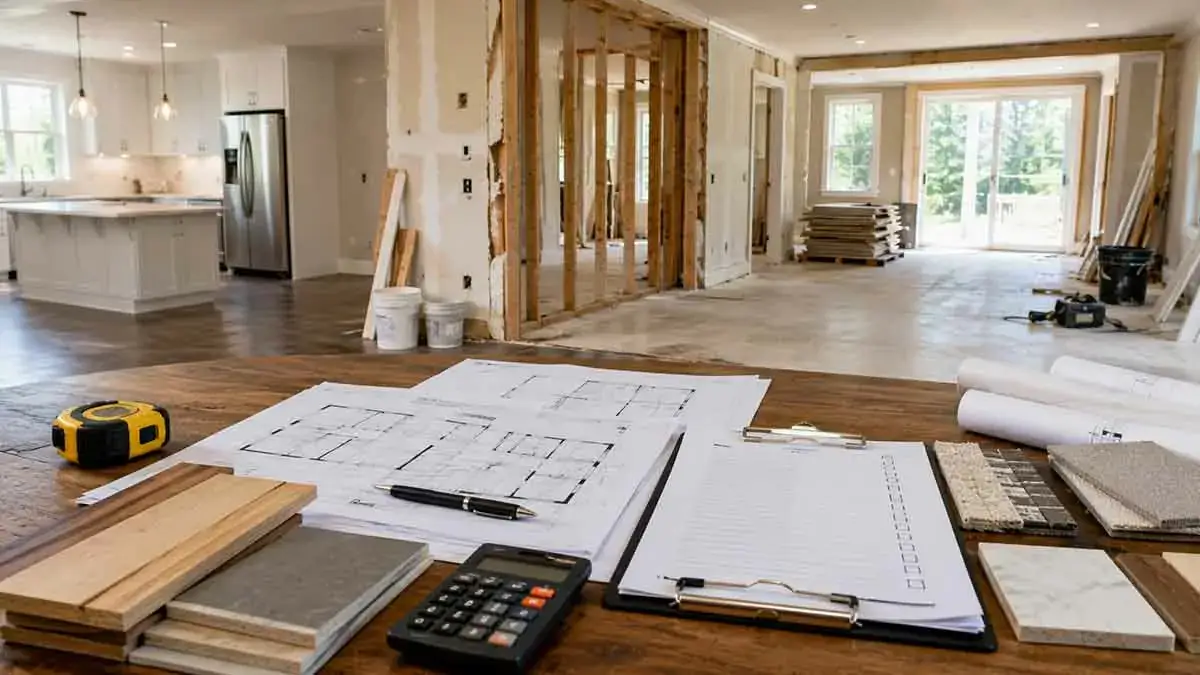
A home renovation can improve your property’s comfort, functionality, appearance, and long-term value. But even a well-designed project can become expensive and stressful when important decisions are made too late or essential planning steps are skipped.
Many renovation problems do not begin during construction. They begin earlier, with an unrealistic budget, an unclear project scope, poor contractor selection, rushed material decisions, or failure to prepare for unexpected problems.
Knowing the most common home renovation mistakes to avoid can help you protect your budget, reduce delays, improve project quality, and make better decisions from planning through completion.
This guide explains the mistakes homeowners commonly make before and during a renovation and, more importantly, what to do instead.
Table of Contents
1. Starting Without a Clear Renovation Plan
One of the biggest home renovation mistakes is starting construction before deciding exactly what the project should accomplish.
A vague goal such as “update the house” can quickly become an expanding list of improvements. Once construction begins, changing the scope becomes more difficult and expensive.
Before hiring a contractor, define:
- The rooms being renovated
- The problems you want to solve
- The improvements you want to make
- The desired layout
- The major materials and finishes
- Your target budget
- Your preferred timeline
- Work that is outside the current project
A clear plan gives contractors a better understanding of the work and makes estimates easier to compare.
2. Underestimating the Renovation Budget
Another common mistake is assuming that the initial estimate represents the final cost.
Renovations can uncover hidden problems, while material upgrades, design changes, permit fees, labor increases, and unexpected repairs can increase expenses.
Your renovation budget should account for:
- Materials
- Labor
- Contractor fees
- Permits
- Design or professional services
- Demolition
- Waste disposal
- Equipment
- Appliances
- Fixtures
- Delivery
- Temporary accommodation if necessary
- Unexpected repairs
A contingency reserve of approximately 10% to 20% is a common starting point for unexpected renovation expenses. Older homes and complex projects may require more.
The goal is not to predict every possible problem. It is to make sure one unexpected expense does not destabilize the entire project.
3. Spending the Entire Budget on the Initial Estimate
Even when you have a detailed contractor estimate, using your entire available budget for planned work leaves no room for surprises.
For example, if you have $60,000 available and the renovation estimate is exactly $60,000, the project may already be financially risky.
A better approach is to separate your available funds into:
- Planned renovation costs
- Contingency funds
- Optional upgrades
The contingency should remain available for genuine unexpected costs rather than being treated as money available for upgrades.
If the project progresses without major problems, you can decide later how to use any remaining funds.
4. Choosing a Contractor Based Only on Price
The cheapest contractor is not necessarily the best choice.
A low estimate may exclude work that another contractor has included, use different material assumptions, or underestimate the labor required.
When comparing contractors, review:
- Scope of work
- Materials
- Labor
- Permits
- Estimated timeline
- Payment schedule
- Cleanup
- Warranty
- Insurance
- Relevant experience
Ask questions when estimates differ significantly.
A detailed and transparent quote is usually more useful than an unusually low number that leaves important details unclear.
5. Failing to Check Contractor Credentials
Before signing a contract, verify the contractor’s qualifications and applicable licensing and insurance requirements.
Depending on your location and project, you may need to verify:
- Required licenses
- General liability insurance
- Workers’ compensation coverage where applicable
- Relevant certifications
- References
- Previous project experience
- Business information
Do not assume that a contractor is qualified simply because they have attractive project photos or positive online reviews.
For major renovations, verify the information that matters to your specific project and local requirements.
6. Not Getting a Detailed Written Contract
A verbal agreement is not enough for a major renovation.
Your written contract should clearly define:
- Scope of work
- Materials and specifications
- Total contract price
- Payment schedule
- Start date
- Estimated completion date
- Change-order procedure
- Permit responsibilities
- Cleanup responsibilities
- Warranty terms
- Insurance responsibilities
- Procedures for delays or disputes
Important promises should be documented rather than left to verbal conversations.
A detailed contract gives both the homeowner and contractor a clear reference throughout the project.
7. Changing the Design During Construction
Changing your mind after construction begins can be expensive.
Moving a wall, changing cabinet dimensions, upgrading fixtures, relocating plumbing, or replacing selected materials can result in:
- Additional labor
- Material waste
- New material orders
- Construction delays
- Additional permits
- Change-order fees
- Rework
Not every change can be avoided. Hidden structural or safety problems may require modifications.
However, cosmetic decisions should ideally be finalized before construction starts.
The earlier a design change is made, the easier it is usually to control its cost and impact on the schedule.
8. Choosing Materials Too Late
Material selection should happen early enough to avoid delaying the construction schedule.
Products that can require significant lead time include:
- Custom cabinets
- Windows
- Exterior and interior doors
- Appliances
- Custom countertops
- Specialty tile
- Plumbing fixtures
- Lighting fixtures
- Specialty flooring
A contractor may be ready to continue, but a missing material can stop the next stage of work.
Confirm product availability and expected delivery dates before scheduling dependent installation work.
9. Buying Materials Without Checking Specifications
Choosing materials based only on appearance can create expensive problems.
Before purchasing a product, confirm:
- Dimensions
- Installation requirements
- Compatibility
- Electrical requirements
- Plumbing connections
- Weight limitations
- Manufacturer specifications
- Required accessories
- Delivery requirements
- Local code considerations where applicable
This is especially important for appliances, plumbing fixtures, lighting, flooring, cabinets, countertops, and doors.
A product that looks right may not fit the available space or work with the existing systems.
10. Ignoring the Existing Condition of the Home
Cosmetic improvements should not hide serious underlying problems.
Before renovating, investigate potential issues involving:
- Roof condition
- Foundation
- Structural components
- Electrical systems
- Plumbing
- HVAC
- Moisture
- Drainage
- Insulation
- Windows
- Walls and ceilings
For example, installing new flooring without addressing a moisture problem can result in damaged flooring and a larger repair later.
The same principle applies to kitchens, bathrooms, basements, exterior improvements, and any project that covers existing building components.
11. Skipping a Professional Inspection When Needed
Not every renovation requires a full professional inspection.
However, an inspection or specialist assessment can be valuable when:
- The home is older
- You see unexplained cracks or movement
- There are signs of water damage
- Electrical systems appear outdated
- Plumbing problems are present
- You plan to remove walls
- You are opening ceilings or floors
- The renovation involves major structural changes
- You suspect hazardous building materials
Spending money to identify a problem before construction can be much cheaper than discovering it after demolition begins.
12. Ignoring Permits
Some homeowners assume that a renovation does not require permits because it is not new construction.
That assumption can be costly.
Permit requirements vary by location and project type.
Permits may be required for:
- Structural modifications
- Electrical work
- Plumbing changes
- HVAC modifications
- Additions
- Major alterations
- Changes affecting occupancy
- Changes to exits or emergency access
Before starting work, check with the relevant local building authority or confirm permit responsibilities with your contractor.
Do not rely solely on the informal label “renovation” to determine whether a permit is required.
13. Moving Plumbing Without Considering the Cost
Moving plumbing fixtures can significantly increase the complexity of a kitchen or bathroom renovation.
Changing the location of:
- Sinks
- Toilets
- Showers
- Bathtubs
- Dishwashers
- Washing machines
may require additional plumbing work, drainage modifications, demolition, floor repairs, and wall repairs.
If the existing layout works reasonably well, keeping major plumbing connections in place can help control costs.
Move plumbing when the change solves a meaningful functional problem rather than simply because a different arrangement looks better.
14. Removing Walls Without Professional Advice
Open-concept layouts can be attractive, but removing a wall is not always a simple demolition task.
A wall may contain:
- Structural support
- Electrical wiring
- Plumbing
- HVAC ducts
- Ventilation components
- Utility lines
- Other building systems
Never assume that a wall is non-load-bearing simply because it looks ordinary.
If you want to remove or modify a wall, obtain appropriate professional advice before demolition.
15. Focusing on Appearance Before Function
A beautiful renovation can still be unsuccessful if the space does not work well.
Before choosing colors, finishes, or decorative features, consider:
- Traffic flow
- Storage
- Furniture placement
- Lighting
- Electrical outlets
- Appliance locations
- Accessibility
- Cleaning and maintenance
- Daily household activities
A practical design usually provides more long-term value than one based entirely on appearance.
16. Ignoring Storage
Storage is easy to overlook during renovation planning.
A room may look attractive when empty but become difficult to use once furniture, appliances, household items, and everyday belongings return.
Consider:
- Cabinets
- Closets
- Shelving
- Drawers
- Pantry storage
- Entryway storage
- Bathroom storage
- Utility storage
- Vertical storage
Good storage should be part of the design rather than an afterthought.
17. Installing Insufficient Lighting
Lighting affects both appearance and functionality.
A renovation should consider multiple types of lighting:
Ambient Lighting
Provides general illumination throughout the room.
Task Lighting
Provides focused light for activities such as cooking, reading, working, or grooming.
Accent Lighting
Highlights architectural or decorative features.
For example, a kitchen may need general ceiling lighting plus task lighting under cabinets.
A bathroom may require suitable general illumination and effective lighting around the vanity.
Plan fixture locations, switches, and electrical connections before walls and ceilings are finished.
18. Forgetting Electrical Outlets
Insufficient outlets can become frustrating after a renovation is complete.
Think about where you will use:
- Kitchen appliances
- Computers
- Televisions
- Lamps
- Chargers
- Vacuum cleaners
- Small appliances
- Home office equipment
Also consider whether specific areas need dedicated circuits or other electrical provisions.
Electrical planning should happen before walls are closed.
Electrical modifications should be performed by appropriately qualified professionals where required.
19. Choosing Trendy Designs Without Considering Longevity
Design trends change.
A renovation can become dated quickly if every decision is based on the latest style.
Consider using relatively timeless choices for expensive permanent elements such as:
- Flooring
- Cabinets
- Countertops
- Tile
- Doors
- Built-in features
You can incorporate current trends through easier-to-change elements such as:
- Paint
- Artwork
- Decorative accessories
- Textiles
- Hardware
- Small lighting elements
This allows the room to evolve without requiring another major renovation.
20. Buying Cheap Materials Everywhere
Saving money is important, but choosing the cheapest option for every component can create long-term problems.
Cheap materials may:
- Wear out quickly
- Require more maintenance
- Be difficult to install
- Perform poorly
- Need replacement sooner
Consider durability, maintenance, installation requirements, warranty, and expected lifespan.
It can make sense to spend more on components that are difficult or expensive to replace, while saving on decorative elements that can be changed easily.
The goal is value, not the lowest purchase price.
21. Trying to Do Everything Yourself
DIY can reduce labor costs, but not every task is suitable for an inexperienced homeowner.
DIY may work well for:
- Painting
- Basic decorating
- Cabinet hardware
- Simple shelving
- Some demolition
- Basic landscaping
- Certain finishing tasks
Professional expertise is generally more appropriate for specialized work such as:
- Electrical systems
- Plumbing
- Structural modifications
- Roofing
- HVAC
- Gas systems
- Major waterproofing
Local regulations may also require licensed professionals for certain work.
A mistake in specialized work can create safety problems and additional repair costs that eliminate the original savings.
22. Underestimating Demolition and Cleanup
Demolition is often treated as a simple first step, but it can generate substantial labor and disposal costs.
The project may involve:
- Removing cabinets
- Removing flooring
- Demolishing walls
- Removing fixtures
- Protecting remaining areas
- Sorting materials
- Hauling debris
- Disposal fees
- Final construction cleanup
Make sure your contractor’s estimate explains what demolition and cleanup include.
If you are handling demolition yourself, understand what materials can safely be removed and how the resulting waste must be handled.
23. Forgetting Temporary Living Arrangements
A major renovation can make part of your home unusable.
You may need to plan for:
- A temporary kitchen
- Alternative bathroom access
- Temporary sleeping arrangements
- Food storage
- Laundry access
- Pet accommodations
- Child safety
- Dust and noise control
- Temporary accommodation
These costs should be included in the overall renovation plan.
A realistic construction schedule should also identify periods when specific rooms will be unavailable.
24. Renovating Without Considering Energy Efficiency
A renovation is an opportunity to improve how efficiently your home operates.
Depending on the project, consider:
- Insulation
- Air sealing
- Efficient windows
- Efficient lighting
- HVAC improvements
- Thermostat upgrades
- Efficient appliances
- Improved ventilation
If walls or ceilings are already being opened, it may be more practical to address insulation or other hidden efficiency improvements at the same time.
Energy improvements should be evaluated as part of the home’s overall building performance rather than as isolated upgrades.
25. Ignoring the Construction Sequence
Renovation work should happen in a logical order.
For example, electrical and plumbing rough-ins generally need to be completed before walls are closed.
Similarly, finished flooring may need to wait until messy construction work is finished.
Poor sequencing can cause:
- Rework
- Damaged finishes
- Construction delays
- Additional labor
- Material waste
- Higher costs
Ask your contractor to explain the planned construction sequence before work begins.
26. Failing to Track the Budget
A renovation budget is not useful if you create it once and never update it.
Track:
- Original estimates
- Actual material costs
- Labor payments
- Change orders
- Permit fees
- Delivery costs
- Disposal costs
- Unexpected repairs
- Remaining contingency
Compare actual spending with your original estimate throughout the project.
If one category is significantly over budget, make adjustments before the problem spreads to other areas.
27. Using the Contingency Fund for Upgrades
Your contingency fund exists to handle unexpected problems.
It should not automatically become a source of money for optional upgrades.
For example, if you discover water damage behind a wall, the contingency may help cover the repair.
If you decide that you now want premium countertops, that is an upgrade rather than an unexpected expense.
Keeping these categories separate protects the financial stability of the project.
If an optional upgrade is important, evaluate it separately and confirm that paying for it will not reduce the funds available for necessary work.
28. Paying Too Much Up Front
Be cautious about large upfront payments.
Payment schedules should be clearly documented in the contract and should correspond reasonably with project progress.
Before making payments, understand:
- Deposit amount
- Payment milestones
- Amount due at each stage
- Materials included
- Conditions for final payment
- Procedures for disputed work
Avoid making large payments for work that has not yet been completed unless the contract and applicable local practices clearly justify the arrangement.
If you are unsure about payment terms, obtain appropriate professional or local legal advice before signing.
29. Poor Communication With the Contractor
Even a good contractor can struggle when project expectations are unclear.
Establish how you will communicate about:
- Design decisions
- Material changes
- Schedule changes
- Unexpected problems
- Change orders
- Payment milestones
- Inspections
- Completed work
Keep important decisions documented.
Regular communication can help identify issues before they become expensive.
30. Rushing the Final Inspection
A renovation is not finished simply because the contractor says the work is complete.
Walk through every renovated area and inspect:
- Doors
- Windows
- Cabinets
- Flooring
- Walls
- Paint
- Fixtures
- Outlets
- Lighting
- Plumbing fixtures
- Appliances
- Trim
- Caulking
- Hardware
Test systems where appropriate and create a punch list of incomplete or defective work.
Address outstanding items before final completion and retain relevant documentation, warranties, invoices, permits, and inspection records.
How to Avoid Home Renovation Mistakes
The best way to avoid renovation mistakes is to create a process that forces important decisions to happen before construction.
Use this general sequence:
- Define the renovation goals.
- Inspect the existing property.
- Identify safety and structural issues.
- Establish a realistic budget.
- Set aside a contingency reserve.
- Define the project scope.
- Finalize the basic design.
- Research permit requirements.
- Select materials early.
- Compare qualified contractors.
- Get detailed written estimates.
- Review and sign a clear contract.
- Confirm the construction schedule.
- Order long-lead materials.
- Prepare the home and household.
- Monitor costs and progress.
- Document and approve necessary changes.
- Complete a final inspection.
This process does not eliminate every problem, but it reduces the risk of preventable mistakes.
Home Renovation Mistakes Checklist
Before construction starts, make sure you have:
- A clearly defined renovation goal
- A detailed project scope
- An assessment of the home’s condition
- A realistic renovation budget
- A contingency reserve
- A finalized basic design
- Major material selections
- Permit requirements confirmed
- Qualified contractors considered
- Multiple detailed estimates when practical
- Contractor credentials checked
- A written contract
- A payment schedule
- A construction timeline
- Long-lead materials ordered
- A plan for living through the renovation
- A system for tracking expenses
- A process for approving change orders
- A final inspection plan
- A system for storing project documentation
Final Thoughts
Avoiding common home renovation mistakes starts with planning before construction begins.
The most expensive mistakes are often caused by unclear project scopes, unrealistic budgets, poor contractor selection, late material decisions, unnecessary design changes, and failure to investigate the existing condition of the home.
You cannot eliminate every unexpected problem. Hidden damage and construction issues can occur even in carefully planned projects.
What you can control is how prepared you are to deal with them.
Define your goals, inspect the property, establish a realistic budget, maintain a contingency reserve, choose qualified professionals, document the project clearly, and monitor both costs and progress.
Do not focus only on creating a better-looking home. A successful renovation should solve the problems that motivated the project while protecting your budget, timeline, safety, functionality, and long-term investment.
The best renovation decisions are usually made before construction starts. Careful planning gives you more control over costs, reduces unnecessary changes, and makes it easier to respond when unexpected problems arise.
Frequently Asked Questions
What is the biggest home renovation mistake?
One of the biggest mistakes is starting construction without a clearly defined scope and realistic budget. When the project is not properly planned, costs and decisions can quickly expand.
How much contingency should I have for a home renovation?
A contingency of approximately 10% to 20% is a common starting point for unexpected expenses. Older homes, complex renovations, and projects with significant unknown conditions may require a larger reserve.
Should I renovate before fixing structural problems?
Generally, major structural, water, electrical, plumbing, or safety problems should be addressed before cosmetic improvements. Improving appearance first can result in newly finished areas being damaged or removed later.
Should I choose the cheapest renovation contractor?
No. Compare detailed estimates, qualifications, insurance, references, experience, scope, schedule, and contract terms rather than choosing based solely on price.
Can I change the renovation design after construction starts?
You can, but changes often increase costs and extend the timeline. Finalizing major design decisions before construction begins can reduce unnecessary change orders and rework.
Is DIY renovation always cheaper?
No. DIY can reduce labor costs for suitable tasks, but mistakes, tools, delays, and professional corrections can make some DIY work more expensive in the long run.
Should I use my contingency fund for upgrades?
Ideally, no. Keep your contingency for genuine unexpected expenses. Optional upgrades should be funded separately or postponed if they would reduce your ability to handle necessary repairs.
What should I check before hiring a contractor?
Check relevant licensing requirements, insurance, experience, references, previous projects, written estimates, contract terms, payment schedules, warranties, and the contractor’s ability to complete work similar to your project.
How can I prevent renovation delays?
Finalize major decisions early, order long-lead materials in advance, obtain required permits, maintain clear communication with the contractor, and avoid unnecessary changes after construction begins.
What should I do if I discover hidden damage?
Ask the contractor or appropriate specialist to document the problem, explain the cause and consequences, provide a repair estimate, and explain how the repair will affect the schedule before approving additional work.
How can I keep a renovation within budget?
Define the scope before construction, compare detailed estimates, maintain a contingency reserve, track every expense, avoid unnecessary design changes, and separate essential repairs from optional upgrades.
Should I renovate everything at once?
Not necessarily. A phased renovation can make a large project easier to manage financially and logistically. However, create a broader plan first so individual projects do not conflict with future work.
When should I inspect the finished renovation?
Perform a detailed walkthrough when the contractor considers the work substantially complete, before final completion and final payment where the contract permits. Create a punch list and make sure agreed outstanding items are addressed.